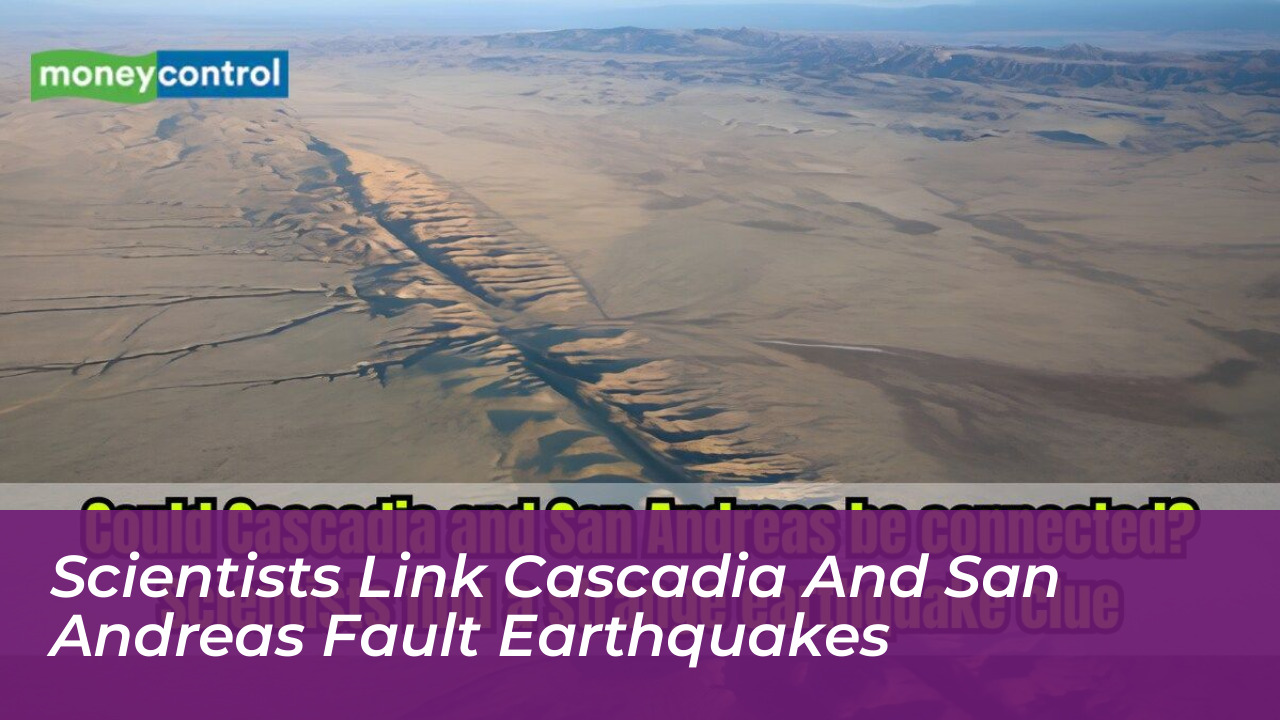


New geological evidence suggests that major earthquakes along the Cascadia Subduction Zone and the northern San Andreas Fault may sometimes occur in rapid succession, happening within minutes to hours of one another. Published in the journal Geosphere, the findings stem from a comprehensive study of deep-sea sediment cores that preserve roughly 3,100 years of tectonic history along North America’s West Coast.
The research team, led by marine geologist Chris Goldfinger of Oregon State University, examined sediment layers collected north and south of Cape Mendocino, California. This geographic nexus is where the Cascadia Subduction Zone meets the San Andreas Fault at the Mendocino Triple Junction. Traditionally, scientists evaluated these two major fault systems as independent entities with completely separate seismic cycles.
An Accidental Discovery and Inverted Sediments
The breakthrough analysis has roots in a 1999 oceanographic research cruise. While attempting to collect sediment samples solely from the Cascadia region off the coast of Oregon, navigational errors inadvertently carried the research vessel roughly 55 miles south into the domain of the northern San Andreas Fault.
Rather than discarding the detour, the team drilled a core sample at that location. Laboratory analysis revealed an unusual anomaly: “doublet” sedimentary structures that defied conventional marine layering. Turbidites-underwater sediment flows typically triggered by strong earthquake shaking-normally exhibit coarser material at the base with finer silts settling on top. However, these specific cores displayed an inverted pattern, featuring coarse sand overlaying finer silts.
Further investigation revealed that these formations represented two distinct seismic events happening back-to-back. As a major Cascadia earthquake settled fine silt over the ocean floor, a subsequent shock from the San Andreas Fault quickly sent a secondary avalanche of coarse sand over the top before the initial layer had finished settling.
Synchronized Seismicity Over Millennia
By analyzing over 130 sediment cores and applying rigorous radiocarbon dating techniques to shells and organic matter, Goldfinger and his colleagues determined that this back-to-back rupture pattern has occurred multiple times over the past 3,100 years. At least three specific episodes in the last 1,500 years-including the massive magnitude 8.7 to 9.2 Cascadia earthquake of 1700-exhibited evidence of the two faults rupturing mere minutes to hours apart.
Additionally, the sediment record points to roughly seven to ten other instances where earthquakes on both systems occurred within decades or years of each other. While the researchers note that not every major earthquake on one fault automatically triggers the other, the data demonstrates a clear pattern of partial fault synchronization.
Implications for West Coast Disaster Planning
The prospect of synchronized or closely timed mega-earthquakes introduces severe challenges for emergency management and hazard mitigation along the Pacific Rim. A major rupture on either the Cascadia Subduction Zone or the San Andreas Fault individually demands vast emergency response resources.
If both systems were to rupture in a compressed timeframe, major metropolitan areas including San Francisco, Portland, Seattle, and Vancouver could face simultaneous catastrophic emergencies. Such compounding disasters would severely strain relief networks, complicate infrastructure repairs, and overwhelm public safety resources across multiple states and international borders.
Seismologists emphasize that while the research does not improve short-term earthquake prediction, it fundamentally changes how hazard modelers must assess seismic risk. Moving forward, disaster preparedness frameworks must account for multi-fault cascading scenarios rather than treating every major earthquake as an isolated event.