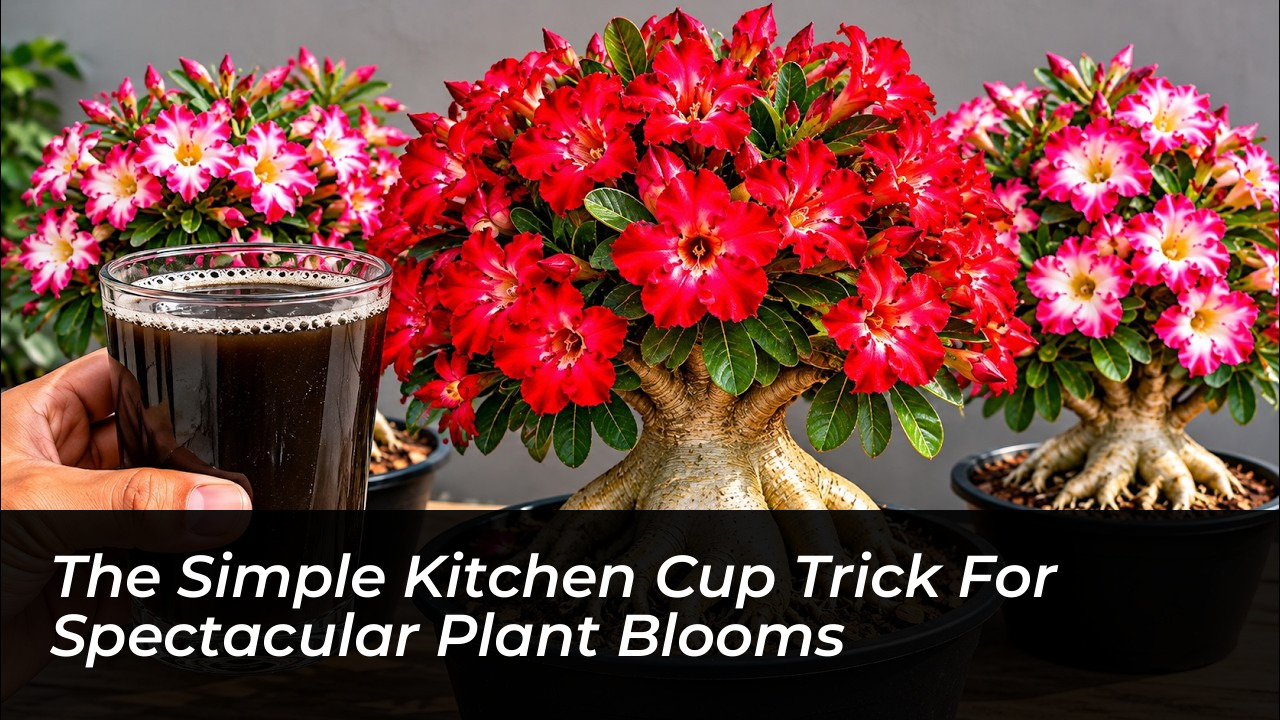

Feeding your plants a single cup of potassium- and phosphorus-rich homemade organic liquid feed can trigger sudden, prolific bud formation on even the most stubborn garden and indoor varieties. Rather than relying on expensive synthetic bottled fertilisers that risk burning delicate roots, UK growers are turning to natural nutrient extraction to coax dormant specimens into full, vibrant bloom.
The science behind sudden floral explosions rests on shifting the plant’s internal chemical balance away from leafy green development towards active reproduction. When perennial borders, patio pots, or indoor windowsills stall, the culprit is rarely a lack of sunlight or water. Most often, the compost has become stripped of available micronutrients while retaining excess nitrogen, trapping the plant in permanent vegetative growth.
The Potassium and Phosphorus Mechanism: Why One Cup Suffices
Commercial plant foods often display three key numbers representing the N-P-K ratio: nitrogen, phosphorus, and potassium. While nitrogen drives rapid leaf growth, an overabundance suppresses bud formation, leaving you with lush foliage and zero colour. To break this vegetative lock, plants demand an immediate, easily absorbable surge of two specific elements:
- Phosphorus (P): Fuel for cellular division, energy transfer, and rapid flower primordia development within the stems.
- Potassium (K): The master regulator of water pressure, starch synthesis, and enzyme activation required to open and sustain heavy blossoms.
- Trace Minerals: Micro-doses of magnesium, calcium, and iron that ensure vascular health while the plant supports dense flower heads.
Delivering these nutrients in liquid suspension guarantees instant root absorption, bypassing the weeks it takes for solid pellets or granular feeds to break down in cooler British soil conditions.
How to Formulate the Natural Bloom Booster at Home
You do not need industrial laboratory supplies to assemble a potent flowering stimulant. Simple kitchen waste contains significant reserves of the exact elements horticulturalists rely upon to prepare show-bench blooms.
The potassium-infused banana and wood ash steep offers one of the most accessible organic sources of bioavailable potassium, while clean hardwood ash or soaked eggshell water supplies essential trace minerals and calcium. Chop the skins of two ripe bananas into small pieces and submerge them in one litre of tepid water. Allow the mixture to steep out of direct sunlight for forty-eight hours, letting natural fermentation draw the minerals into the water.
Strain the liquid thoroughly to remove any fibrous pulp that could attract fungus gnats indoors. Dilute the resulting amber liquid with equal parts fresh rainwater or tap water that has stood for twelve hours to allow chlorine to evaporate. Pouring precisely one cup (roughly 250 millilitres) directly around the base of the root zone provides an immediate mineral rush without altering soil acidity or damaging fragile root hairs.
Application Rules for British Homes and Gardens
Applying liquid feed requires correct timing to avoid shocking the root ball, especially during erratic UK weather spells. Always ensure the compost is slightly damp before administering your organic flowering feed. Drenching bone-dry compost with any concentrated tonic can cause reverse osmosis, pulling moisture out of the roots rather than hydrating them.
For container-grown specimens such as pelargoniums, fuchsias, and peace lilies, apply the single-cup treatment once every ten to fourteen days during the active growing season. Outdoor shrubs like hydrangeas and English shrub roses benefit most when fed just as the green flower nodes begin swelling in late spring.
Over-fertilising produces weak, leggy stems unable to carry the weight of full blooms. Maintaining strict moderation ensures sturdy stems that support massive, long-lasting displays.
Sustainable gardening often starts right on your kitchen worktop rather than the garden centre shelves. Monitoring soil moisture and adjusting feed schedules to match seasonal light levels will consistently yield superior floral displays throughout the year. Have you tested natural feeds on your own flowering plants this season? Share your favourite homemade tonic recipes and results in the community below.