
Two Royal Air Force pilots survived a serious aviation incident after ejecting from their BAE Systems Hawk T2 training aircraft on September 23, 2026. The aircraft crashed in the Pencarnisiog area near Llanfaelog on the island of Anglesey, North Wales. Operating out of nearby RAF Valley, the jet encountered critical difficulties during takeoff before coming down in a rural sector, prompting an immediate multiagency emergency response.
- Overview of the Anglesey RAF Hawk T2 Crash
- Eyewitness Accounts and Flight Timeline
- Technical Profile of the RAF Hawk T2
- The Role of RAF Valley and No. 4 Flying Training School
- Ejection Seat Technology and Crew Survival
- Fleetwide Implications and Historical Availability Issues
- Broader UK Defense Context and Hawk Replacement Plans
- Ongoing Investigation and Next Steps
- Frequently Asked Questions
- What caused the RAF Hawk T2 crash on Anglesey?
- Are the pilots in stable condition?
- How many Hawk T2 aircraft does the RAF operate?
- Where is the Red Arrows and training fleet replacement heading?
Overview of the Anglesey RAF Hawk T2 Crash
North Wales Police confirmed that both aircrew members successfully parachuted clear of the burning airframe. Emergency responders, including Coastguard helicopters and Wales Air Ambulance units, rushed to the crash site alongside ground crews from the North Wales Fire and Rescue Service. Following initial triage, authorities transported both pilots via air ambulance to the Queen Elizabeth Hospital in Birmingham, home of the Royal Centre for Defence Medicine. Officials report that both aviators sustained minor injuries.
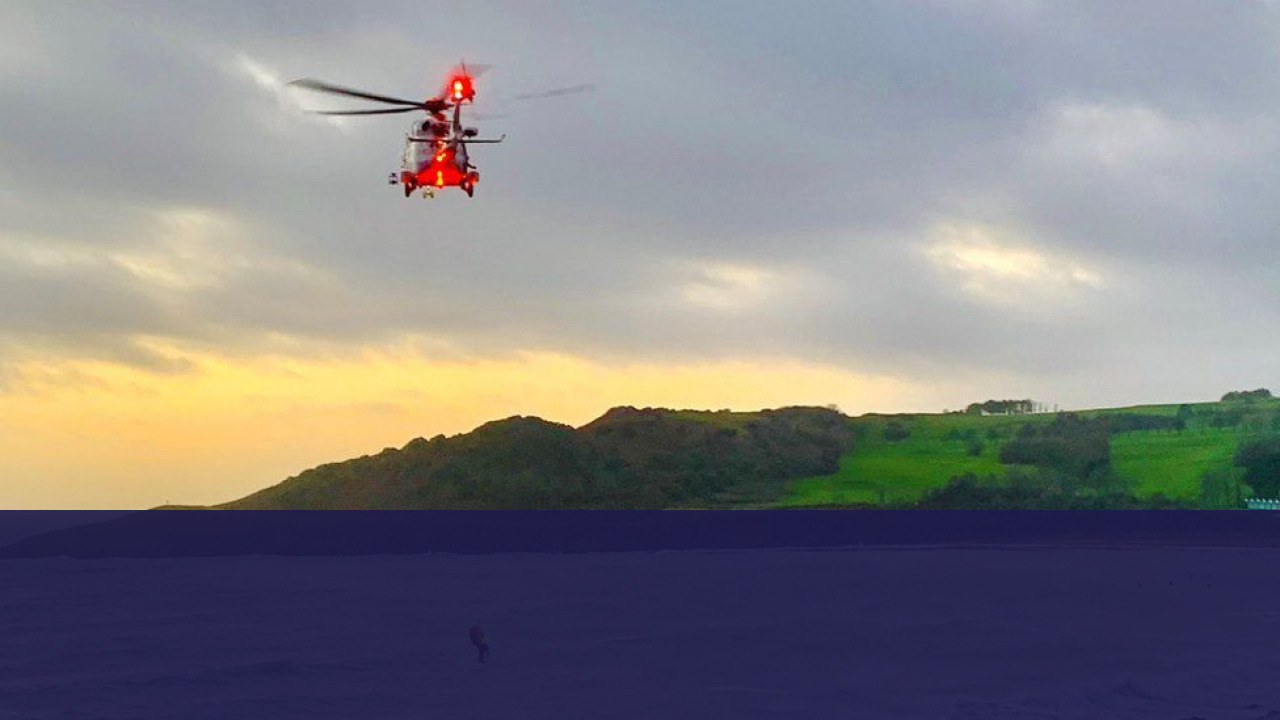
Military authorities and local police established a strict security cordon around the wreckage zone. Officials confirmed zero reports of civilian casualties or wider infrastructure damage on the ground. The incident immediately drew high-level attention from government officials, including UK Defence Secretary Wes Streeting and First Minister Rhun ap Iorwerth, who both issued statements expressing relief over the safe recovery of the crew.
Eyewitness Accounts and Flight Timeline
Ground observers near RAF Valley tracked the moments leading up to the accident, providing crucial context for initial military assessors. Eyewitness Pete Bennett noted that the Hawk T2 exhibited visible abnormalities immediately upon departure. According to his report, an orange flame appeared near the engine exhaust during the initial takeoff roll. As the aircraft accelerated and gained altitude, the instability intensified rapidly.
The jet pitched up sharply at an aggressive angle, shifting violently twice in rapid succession before two loud bangs echoed across the area. Witnesses on the ground observed the canopy separate and both crew members eject into the sky. Their parachutes deployed successfully just seconds before the aircraft struck the ground and burst into flames, narrowly missing local farm structures and residential properties.
Motorists on the nearby A55 expressway also witnessed the aftermath, reporting plumes of thick black smoke rising from the impact zone near Pencarnisiog. Councillor Neville Evans described the event as an exceptionally fortunate escape for local residents, noting the proximity of the crash site to populated caravan parks and rural housing developments.
Technical Profile of the RAF Hawk T2
The aircraft involved in the incident belongs to the core fleet of advanced jet trainers operated by the UK Ministry of Defence. Manufactured by BAE Systems, the Hawk T2 serves as the primary stepping stone for student pilots transitioning from turboprop trainers to frontline combat aircraft such as the Eurofighter Typhoon and the F-35B Lightning II.
| Aircraft Attribute | Specification Details |
|---|---|
| Manufacturer | BAE Systems |
| Primary Powerplant | Rolls-Royce Turbomeca Adour Mk 951 turbofan |
| Cockpit Design | Full glass cockpit mirroring modern combat sensors and displays |
| Assigned Base | RAF Valley, Anglesey (No. 4 Flying Training School) |
| Fleet Size (Pre-Crash) | 28 airframes |
The Hawk T2 features an advanced glass cockpit designed to replicate the sensor management, radar displays, and high-G operating environments of fourth and fifth-generation fighters. The propulsion system relies on the Rolls-Royce Turbomeca Adour turbofan engine, a powerplant that has faced historical maintenance scrutiny regarding blade wear and fleet availability issues.
The Role of RAF Valley and No. 4 Flying Training School
RAF Valley occupies a strategic coastal location on the western edge of Anglesey and has served as a cornerstone of British military aviation since February 1941. Today, the installation hosts No. 4 Flying Training School, which shoulders the responsibility of preparing the next generation of tactical fighter pilots for the Royal Air Force and the Royal Navy.
The base carries deep historical significance and modern relevance. Between 2010 and 2013, Prince William served as an RAF search and rescue pilot stationed at the Holyhead facility. The base also recently marked its 85th anniversary in April 2026, celebrating decades of supporting fast-jet instruction, maritime patrol operations, and regional search and rescue detachments.
Training pipelines at RAF Valley demand rigorous performance from student aviators. Trainees master complex tactical intercept maneuvers, sensor deployment, and emergency procedures within the Hawk T2 before earning their wings for operational conversion units.
Ejection Seat Technology and Crew Survival
The successful survival of both pilots highlights the engineering sophistication embedded in modern military escape systems. Aviation experts, including BBC security analyst Mikey Kay, pointed to the zero-zero ejection seat as the definitive lifesaver in this scenario. Modern ejection seats allow aircrew to abandon an aircraft safely even under zero-speed and zero-altitude conditions, such as during a catastrophic low-level takeoff emergency.
Rocket motors propel the seat clear of the vertical stabilizer within fractions of a second, deploying stabilization drogue chutes before the main canopy opens to cushion the descent. While ejection places immense physical stress on the human spine and skeletal system due to high gravitational forces, the rapid deployment in this incident prevented fatalities. Transporting the pilots directly to the Royal Centre for Defence Medicine at Queen Elizabeth Hospital in Birmingham ensures specialized monitoring for spinal trauma and blast exposure.
Fleetwide Implications and Historical Availability Issues
The loss of a Hawk T2 deals a direct blow to an already constrained fast-jet training fleet. Before the Anglesey incident, the RAF operated a total of 28 Hawk T2 airframes out of RAF Valley. The fleet has experienced persistent logistical hurdles and availability bottlenecks over recent years.
In January 2023, the Ministry of Defence temporarily grounded all Hawk T2 flights following an unexpected engine issue on the runway at RAF Valley. Investigators linked those prior groundings to accelerated blade wear within the Rolls-Royce Turbomeca Adour Mk 951 engines, prompting extensive engine inspections and modified maintenance intervals. This latest crash intensifies existing operational pressures on the training pipeline, potentially delaying student throughput for future Typhoon and F-35 operational conversion squadrons.
Broader UK Defense Context and Hawk Replacement Plans
The Anglesey crash unfolds against the backdrop of a wider transition phase for British military flight training. The 2025 Strategic Defence Review formally recommended replacing legacy platforms with a digital advanced jet trainer to streamline pilot development. The Ministry of Defence subsequently published a Request for Information on August 7, 2026, seeking proposals for a unified fast-jet trainer that can also serve as the future mount for the Red Arrows aerobatic display team.
Procurement allocation under the £360 million Defence Investment Plan now faces increased scrutiny from lawmakers and defense analysts. Industry insiders suggest that the September 2026 accident may accelerate retirement timelines for the aging Hawk airframe, pushing the military to adopt digital-first training solutions much faster than originally planned.
Ongoing Investigation and Next Steps
The Defence Safety Authority and military accident investigators have officially launched a formal Service Inquiry into the Anglesey crash. Investigators are currently scouring the Pencarnisiog debris field to recover structural fragments, maintenance logs, voice recordings, and flight telemetry data.
The core focus areas for the inquiry include mechanical power failure, potential bird ingestion during the takeoff roll, and low-altitude aerodynamic stall factors. Preliminary findings will likely take several months to compile, though safety directives regarding engine maintenance could emerge much sooner as the investigation proceeds.
Frequently Asked Questions
What caused the RAF Hawk T2 crash on Anglesey?
Investigators from the Defence Safety Authority are examining mechanical failure, potential bird ingestion, and takeoff stall factors. A definitive cause will be released following the completion of the Service Inquiry.
Are the pilots in stable condition?
Yes. Both pilots successfully ejected before impact, sustained only minor injuries, and were transported to the Queen Elizabeth Hospital in Birmingham for specialized medical evaluation.
How many Hawk T2 aircraft does the RAF operate?
Prior to the September 2026 accident, the active fleet at RAF Valley comprised 28 BAE Systems Hawk T2 airframes assigned to No. 4 Flying Training School.
Where is the Red Arrows and training fleet replacement heading?
The Ministry of Defence published a Request for Information in August 2026 for a unified advanced jet trainer under the Defence Investment Plan to replace older airframes.