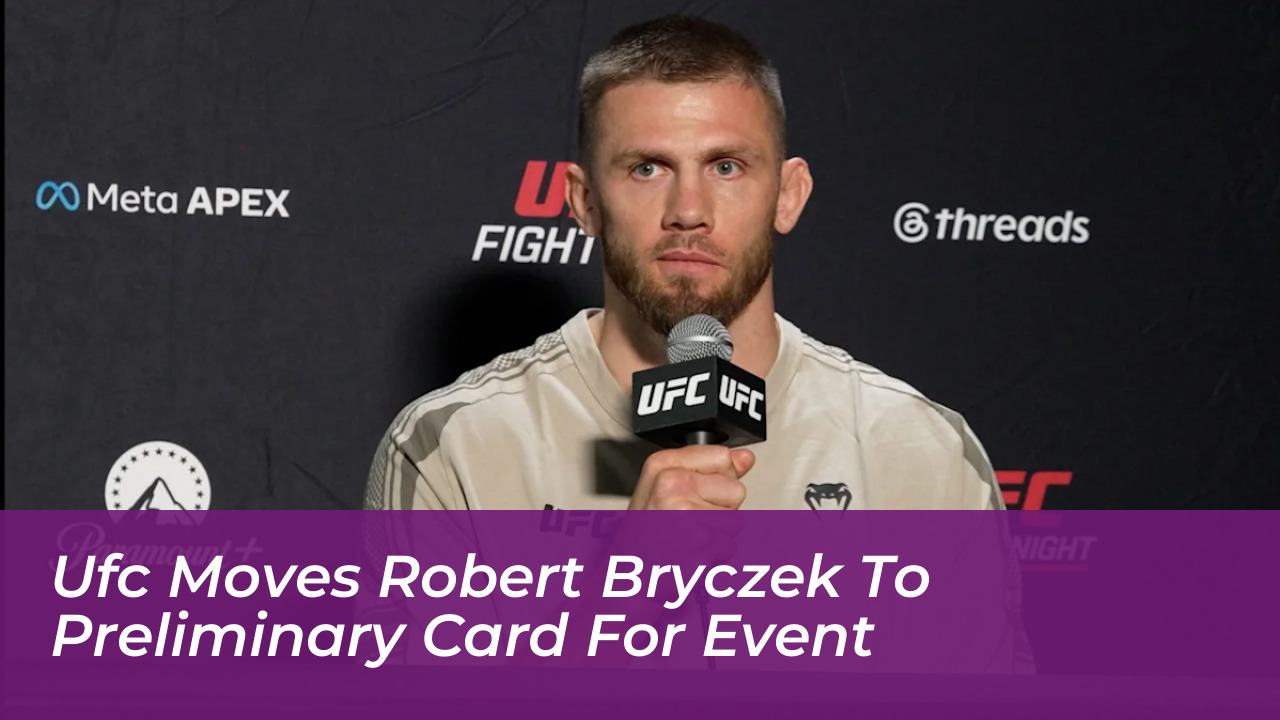
Ultimate Fighting Championship events undergo constant revisions behind the scenes, and recent promotional shifts highlight the complex strategies driving modern combat sports. Promoters monitor ticket sales, pay-per-view metrics, television broadcast windows, and fighter health updates right up until fight night. When executives adjust the official bout order, athletes experience a sudden shift in their promotional spotlight. Robert Bryczek faced this exact reality ahead of UFC Fight Night 289 in Las Vegas, where his anticipated co-main event matchup moved down to the preliminary card. Understanding why promotions reshuffle bouts reveals the intricate mechanics of modern sports broadcasting and event production.
- Behind the Scenes of UFC Fight Card Adjustments
- Anatomy of UFC Fight Night 289 in Las Vegas
- The Robert Bryczek and Rodolfo Vieira Matchup Dynamics
- Why Promotions Demote Fighters on Fight Week
- Norma Dumont, Ailin Perez, Sedriques Dumas, and Luis Hernandez Rise
- The Psychological Impact of Fight Card Demotions
- Bryczek’s Perspective on Management and Respect
- The Business of Broadcast Windows and Pay-Per-View Flow
- Evaluating the Middleweight Division Landscape
- Frequently Asked Questions
- Why did the UFC move Robert Bryczek down the card?
- Does a fight card demotion change a fighter contract?
- How do fighters handle sudden schedule changes?
Behind the Scenes of UFC Fight Card Adjustments
Television broadcast windows, ticket sales, and pay-per-view metrics dictate how promoters structure a fight card. Matchmakers manage event pacing carefully to ensure that early preliminary bouts build initial momentum while late fights capture casual viewers. The constant risk of late lineup revisions following Wednesday media day sessions keeps everyone on edge. Executive decisions aim to maximize viewer retention across different time zones and streaming platforms.
Fighters visualize their exact walkout timing weeks in advance to peak at the right moment. The official bout order directly correlates with media coverage, career momentum, and sponsor visibility. When the promotion alters the schedule, athletes must rapidly adjust their mental preparation. A sudden change in placement disrupts the established rhythm that fighters rely on during their final training camp days.

Anatomy of UFC Fight Night 289 in Las Vegas
Las Vegas hosts numerous fight cards annually at the UFC Apex and major arena venues. UFC Fight Night 289 brought high expectations from local fans and international viewers alike. Matchmakers design these cards to maintain a steady escalation of excitement from the opening bell to the final main event. Event pacing requires careful strategic planning by broadcast partners to prevent broadcast overruns or dead air.
Wednesday media day sessions act as a major catalyst for executive pivots. Initial promotional metrics, social media engagement, and ticket trends trigger last-minute schedule adjustments. This creates a domino effect of roster changes across competing athletes. Promoters prioritize matchups that generate immediate buzz among fans tuning in early.
The Robert Bryczek and Rodolfo Vieira Matchup Dynamics
Robert Bryczek entered fight week expecting to feature in the co-main event slot against grappling specialist Rodolfo Vieira. Middleweight collisions carry significant weight in a division known for explosive finishes and intense rankings battles. Bryczek believed his high-output fighting style earned the respect of management despite his setback against Cam Rowston in Australia. Accepting tough challenges builds long-term respect within the promotion.
Rodolfo Vieira presents a unique puzzle for any middleweight contender. Known as one of the most accomplished submission artists in mixed martial arts history, Vieira forces opponents to manage distance carefully. Bryczek planned to use his striking acumen to keep the fight standing and avoid the mat. This classic striker versus grappler clash offers immense tactical intrigue regardless of where it lands on the broadcast.
Why Promotions Demote Fighters on Fight Week
Broadcast networks and streaming platforms hold significant influence over card ordering. Executives want high-action matchups or familiar personalities in prime broadcasting windows to maximize viewer retention. If early media day appearances or ticket trends indicate stronger consumer interest in a different pairing, matchmakers often pivot without hesitation.
Medical clearance delays, weight management issues, and sudden injuries lower down the card also force structural changes. When a preliminary bout loses a fighter, promotion officials frequently elevate an existing preliminary matchup into the main card. This necessary adjustment pushes other established bouts down the schedule, impacting athletes who prepared for higher visibility.
Norma Dumont, Ailin Perez, Sedriques Dumas, and Luis Hernandez Rise
The promotion rearranged the bout order following Wednesday media day sessions by elevating two former preliminary matchups. Norma Dumont and Ailin Perez secured a coveted main card slot through this late promotion. Dumont brings technical precision and tactical dominance to the bantamweight and featherweight landscapes, while Perez brings relentless pressure and high-energy personality. Moving Dumont and Perez into top main-card positions reflects the growing demand for women divisions in high-visibility broadcast slots.
The second elevated matchup featured Sedriques Dumas against Luis Hernandez. Both athletes capitalized on the opportunity to perform under brighter stadium lights and expanded television coverage. Mid-tier fighters often use these sudden promotions to make a statement and capture the attention of a broader global audience. Elevating Dumas and Hernandez required sliding other scheduled bouts downward, directly affecting Bryczek and Vieira.
The Psychological Impact of Fight Card Demotions
Combat sports athletes invest heavily in the mental aspects of preparation. Visualizing a walkout as the second-to-last fight of the evening creates a distinct psychological rhythm. Transitioning to the preliminary card alters that routine, requiring fighters to adjust their warm-up schedules and mental focus. Professional fighters train to block out external distractions, but card placement influences sponsor exposure.
Co-main event fighters receive maximum camera focus during promotional packages and broadcast introductions. Preliminary fighters must work harder inside the cage to make a lasting impression on viewers who might still be tuning in. Maintaining emotional control despite disrupted preparation rhythms separates elite competitors from the rest of the roster.
Bryczek’s Perspective on Management and Respect
Bryczek maintained a pragmatic outlook regarding the sudden schedule change. He originally viewed his co-main event placement as direct validation from UFC management. Promoters often reward fighters who accept short-notice bouts, travel internationally, or deliver entertaining performances regardless of judges’ scorecards. His previous outing tested his resilience, and stepping back into the cage quickly demonstrated his willingness to stay active.
Even with the demotion, Bryczek retains the platform to showcase his skill set against an elite grappler like Vieira. He focuses on the opponent inside the cage rather than external broadcast placement. Relying on coaches and cornermen keeps his preparations anchored, ensuring that the shift in placement does not compromise his in-cage performance.
The Business of Broadcast Windows and Pay-Per-View Flow
Combat sports promotion operates as a multi-layered media business. Television executives analyze second-by-second viewership data from past events to optimize broadcast flow. Preliminary cards serve as an acquisition funnel to convert casual viewers into dedicated subscribers with compelling matchups. Strategic placement ensures that high-action fights keep audiences engaged throughout the entire broadcast.
Balancing individual aspirations and event performance remains a constant challenge for matchmakers. Aligning fighter goals with overall media business objectives strengthens the total broadcast package for hardcore combat sports fans. Every adjustment serves the broader goal of delivering a seamless entertainment product to global audiences.
Evaluating the Middleweight Division Landscape
The middleweight division features a constant logjam of contenders fighting for title opportunities. How every victory impacts the path toward a championship challenge remains the primary concern for rising athletes. Proving athletic excellence matters more than early preliminary or main card status when it comes to long-term career growth.
Silencing external noise through decisive finishes helps fighters attract matchmaker attention for future bookings. Overcoming positional shifts with undeniable in-cage results proves that talent transcends broadcast placement. Bryczek aims to use this opportunity to deliver a statement performance and climb higher into the divisional rankings.
Frequently Asked Questions
Why did the UFC move Robert Bryczek down the card?
The UFC adjusted the fight order following Wednesday media day sessions, elevating other matchups like Norma Dumont versus Ailin Perez to the main card. This logistical reshuffle pushed Bryczek and Rodolfo Vieira down to the preliminary card.
Does a fight card demotion change a fighter contract?
No, a change in bout placement on fight week does not alter the financial terms, purse, or contract agreement between the fighter and the promotion.
How do fighters handle sudden schedule changes?
Elite athletes rely on experienced coaching staffs and strict mental discipline to adjust their warm-up routines and maintain focus despite broadcast alterations.