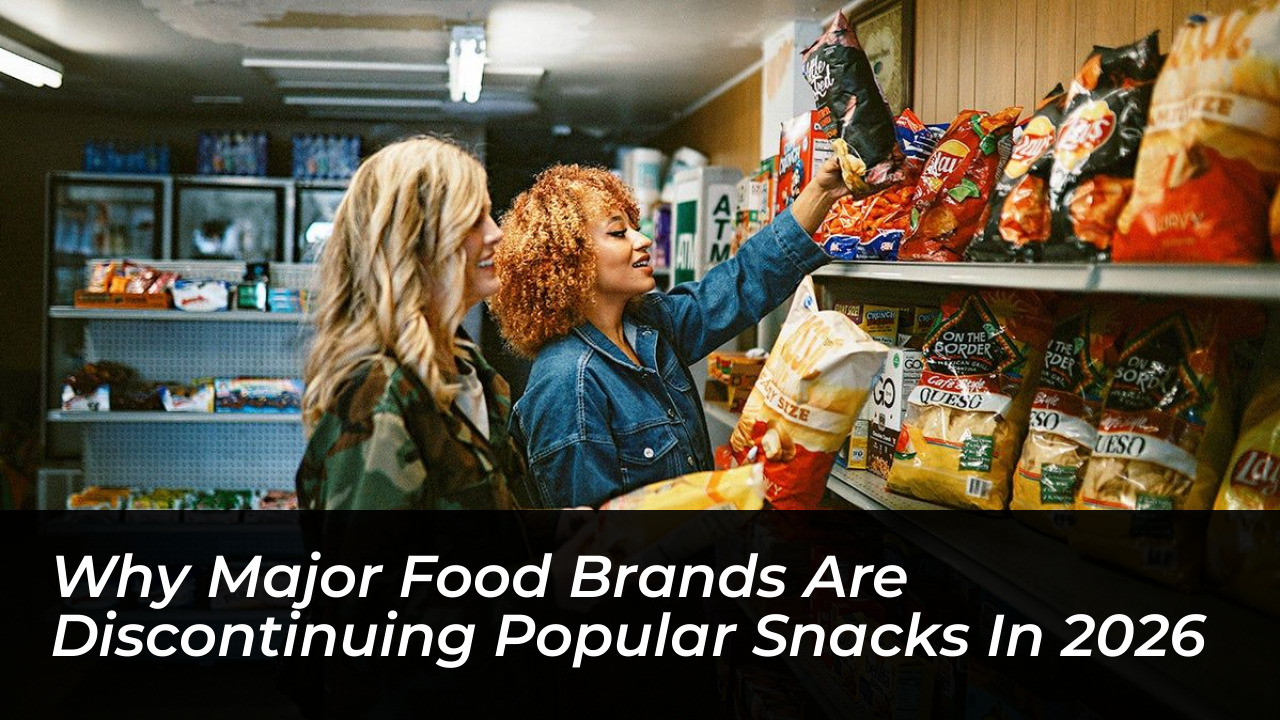
Grocery store aisles look remarkably different in 2026. Major food and beverage manufacturers, including industry giants like PepsiCo and Coca-Cola, are ruthlessly trimming their product portfolios. Entire snack lines, iconic beverage options, and beloved limited-edition flavors are vanishing from shelves at an unprecedented rate. This wave of eliminations is not random. Food conglomerates are executing a calculated strategy known in the manufacturing sector as SKU rationalization. Faced with fluctuating supply chain costs, lingering inflation, and shifting consumer habits, brands are streamlining their operations. They are cutting underperforming products to focus resources on higher-margin items and healthier alternatives.
- The Great Grocery Purge: Understanding Why Favorite Snacks Are Disappearing
- Decoding SKU Rationalization: Why Food Conglomerates Cut Product Lines
- The Economics of Factory Efficiency
- Protecting Core Flagship Products
- Shifting Consumer Habits and Inflationary Pressures
- Iconic Beverages and Dairy Staples Getting the Axe
- Minute Maid Frozen Juice Concentrates End an 80-Year Run
- Energy Drinks and Dairy Casualties
- The Frito-Lay and PepsiCo Snack Purge
- Cheetos and Lay’s Casualties
- Doritos Flavor Twists and Specialized Snacks
- Popcorn, Pretzels, and Specialty Dips on the Cutting Room Floor
- Consumer Backlash and Community Reaction
- What Shoppers Can Do When Favorite Items Vanish
Overview of the current wave of product eliminations across major supermarkets reveals a systemic shift away from consumer-driven availability toward corporate efficiency metrics. When manufacturing costs rise due to tariffs, ingredient shortages, or logistical bottlenecks, maintaining dozens of niche flavors becomes financially unsustainable. Understanding these economic factors helps explain why household favorites vanish from shelves without warning and why shoppers must adapt to permanently altered grocery store landscapes.
The Great Grocery Purge: Understanding Why Favorite Snacks Are Disappearing
Understanding SKU rationalization and corporate portfolio reductions helps explain why household favorites vanish from shelves without warning. Large corporations constantly audit their stock-keeping units to determine which items generate profit and which drain valuable resources.
PepsiCo reportedly plans to eliminate roughly 20 percent of its snack line this year alone. This reduction targets low-volume novelty flavors that require expensive machinery adjustments on the factory floor. By streamlining production, conglomerates protect their bottom line during periods of sustained economic pressure.

Decoding SKU Rationalization: Why Food Conglomerates Cut Product Lines
Manufacturing plants lose significant revenue during machinery changeovers for low-volume flavors. Every time a production line switches from a core product to a niche flavor, workers must halt operations, clean equipment, and recalibrate machinery, which creates costly downtime.
The financial unsustainability of maintaining dozens of niche products during high inflation forces executives to make difficult choices. Prioritizing high-volume items like Classic Lay’s and standard Doritos Nacho Cheese ensures stable output. Longer production runs result in lower overhead costs and stabilized profit margins for the parent companies.
The Economics of Factory Efficiency
- How manufacturing plants lose revenue during machinery changeovers for low-volume flavors.
- The financial unsustainability of maintaining dozens of niche products during high inflation.
- PepsiCo and other giants targeting roughly 20 percent of their snack lineups for permanent elimination.
Protecting Core Flagship Products
- Prioritizing high-volume items like Classic Lay’s and standard Doritos Nacho Cheese.
- Longer production runs resulting in lower overhead costs and stabilized profit margins.
Shifting Consumer Habits and Inflationary Pressures
Shoppers are driving these corporate changes through evolving purchasing behaviors and closer scrutiny of grocery receipts. Ongoing economic pressures cause consumers to evaluate the cost-per-ounce of every item in their shopping carts. Many buyers now bypass expensive single-serving or pre-portioned convenience items, choosing bulk packages or calculating exact per-serving costs instead.
Concurrently, public demand leans heavily away from heavily processed foods and artificial ingredients. Readership of nutrition labels has shifted toward clean ingredients, transparent sourcing, and functional benefits like added protein. Novelty chips drenched in artificial neon powders and obscure beverage flavors often fail to meet these modern nutritional criteria, making them prime targets for corporate elimination.
- Consumers bypassing expensive single-serving or pre-portioned convenience items.
- The heavy public demand leaning away from heavily processed foods and artificial ingredients.
- Readership of nutrition labels shifting toward clean ingredients, transparent sourcing, and functional benefits.

Iconic Beverages and Dairy Staples Getting the Axe
The purge extends far beyond salty snacks into the beverage and dairy coolers, taking down products with decades-long histories. Long-standing household staples face extinction after decades on the market, leaving devoted buyers searching for suitable replacements.
Minute Maid Frozen Juice Concentrates End an 80-Year Run
Coca-Cola confirmed the end of its Minute Maid frozen juice concentrate line, officially concluding an 80-year grocery store legacy. Encompassing frozen orange juice, lemonade, and limeade, these little cardboard cylinders served as freezer-section staples for generations of families.
While declining consumer demand drove the decision, the loss hits vulnerable populations particularly hard. Minute Maid frozen concentrates consistently ranked among the most affordable WIC-approved juice options for low-income households. As stores sell through their final inventories, budget-conscious shoppers lose a versatile and cost-effective kitchen staple.
Energy Drinks and Dairy Casualties
Energy drink enthusiasts suffered a major blow when Red Bull quietly discontinued its popular Blue Edition, featuring a distinct blueberry flavor, across the United States and Canada. Introduced in 2013, the flavor cultivated a fiercely loyal following that sparked online petitions.
Monster Energy Khaotic also faces a phase-out as distributors report dwindling inventories across retail chains. Meanwhile, ice cream lovers expressed deep frustration following the confirmation that Blue Bell is dropping its nutty, sweet Butter Crunch flavor from active rotation.
The Frito-Lay and PepsiCo Snack Purge
Aggressive portfolio trimming impacts nearly every brand under the Frito-Lay umbrella, from chips and pretzels to popcorn and cheese puffs. These cuts demonstrate that no sub-brand is entirely safe from corporate restructuring.
Cheetos and Lay’s Casualties
Cheese Pizza Flavored Cheetos Puffs are heading for the chopping block once again. Originally discontinued in 2005 and briefly resurrected as a permanent addition, this hybrid flavor failed to secure a long-term spot on the active roster.
Lay’s Baked Salt and Vinegar chips no longer appear on brand tracking sheets, leaving fans of baked alternatives with fewer options. Additionally, the recently introduced Lay’s Sweet Potato Poppables appear to be casualties of the poppable line reduction, alongside Veggie Sea Salt varieties.
Doritos Flavor Twists and Specialized Snacks
Doritos fans face multiple losses, starting with the disappearance of Golden Sriracha Doritos, which launched to praise in early 2025. , specialized items like Doritos Dinamita Sticks and Doritos Cool Ranch Flavor Spitz Sunflower Seeds are quietly exiting the market.
Popcorn, Pretzels, and Specialty Dips on the Cutting Room Floor
Movie-night favorites, specialty pretzels, and regional snack variations are also disappearing from store shelves without prior public notice. Smartfood Movie Theater Butter Popcorn has become increasingly scarce and vanished entirely from brand catalogs.
Rold Gold Cheddar Tiny Twists Pretzels are confirmed discontinued by plant workers and customer service channels. Funyans Spicy Queso and Sour Cream Onion regional variants face systematic reduction, while Tostitos Cantina Thin and Crispy Tortilla Chips are phased out in favor of thicker bulk-bag varieties.
- Smartfood Movie Theater Butter Popcorn becomes increasingly scarce in brand catalogs.
- Rold Gold Cheddar Tiny Twists Pretzels confirmed discontinued by plant workers.
- Funyans Spicy Queso and Sour Cream Onion regional variants face elimination.
- Tostitos Cantina Thin and Crispy Tortilla Chips phased out in favor of thicker bulk-bag varieties.
Consumer Backlash and Community Reaction
Social media platforms and online forums have transformed into digital support groups for grieving snack enthusiasts. Subreddits dedicated to frugal living, grocery updates, and specific junk foods are filled with complaints and eulogies for lost products.
When brands slash popular items without direct announcements, consumers often find out only when store shelves remain empty for weeks. Online petitions, such as the one launched for Red Bull Blue Edition, highlight the deep emotional attachment consumers develop toward everyday grocery items.
- The role of subreddits and frugal living communities in tracking grocery updates.
- Online petitions, such as the one launched for Red Bull Blue Edition, highlighting consumer emotional attachment.
What Shoppers Can Do When Favorite Items Vanish
When manufacturers discontinue a grocery item, proactive steps can ease the transition and help locate remaining backstock before it disappears forever. Checking inventory locally at smaller regional grocery stores, dollar stores, and warehouse clubs often uncovers forgotten stock.
Contacting customer service lines directly confirms permanent discontinuation versus temporary out-of-stock status. Finally, exploring copycat recipes and alternative brands for unique flavors and specialty snacks provides a practical way forward when store shelves no longer carry your preferred choices.
- Checking inventory locally at smaller regional grocery stores, dollar stores, and warehouse clubs.
- Contacting customer service lines directly to confirm permanent discontinuation versus temporary out-of-stock status.
- Exploring copycat recipes and alternative brands for unique flavors and specialty snacks.