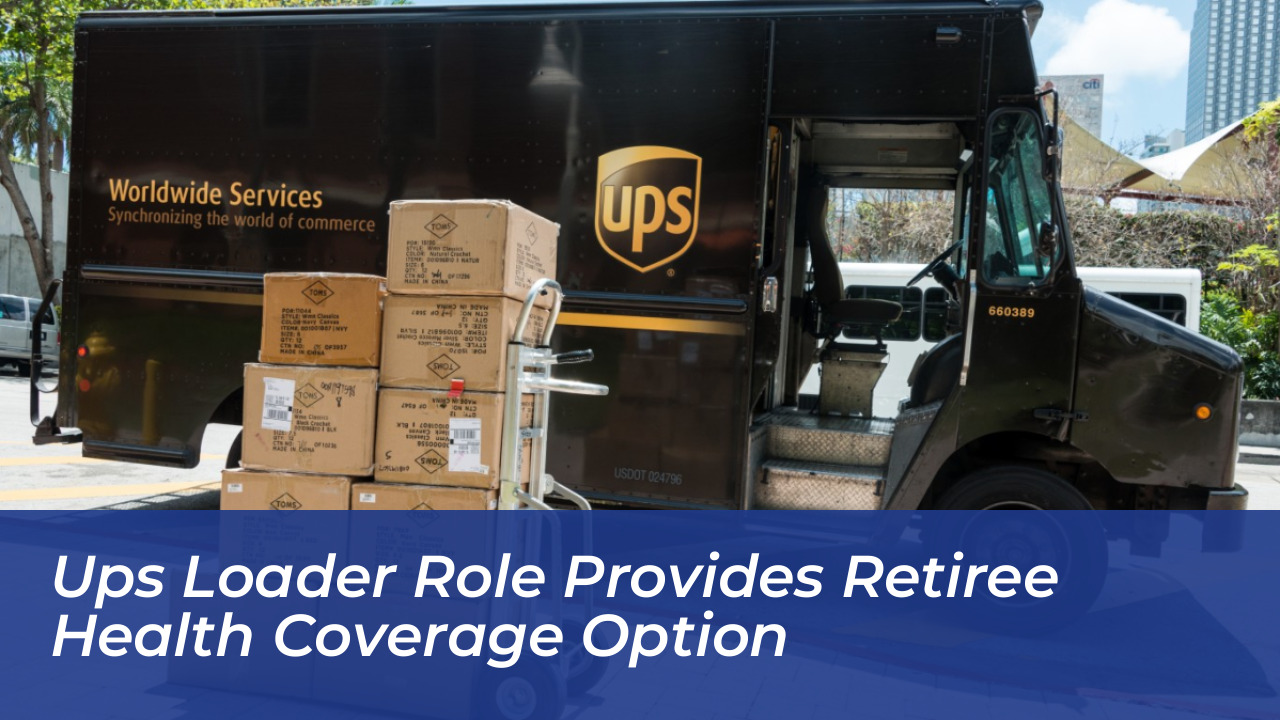

A 63-year-old former corporate worker has adopted an unconventional approach to bridging the financial gap before Medicare eligibility by taking on a part-time package handler role at UPS. The position provides a steady monthly income alongside robust Teamsters union health benefits, making it an increasingly attractive option for older adults navigating early retirement.
Financial Structure of the Part-Time UPS Position
Working a four-hour nightly schedule, the employee earns approximately $1,800 a month. Under the current Teamsters labor contract, the warehouse package handler position pays $21 per hour, translating to an annual income of about $21,600. Despite having substantial personal savings-including roughly $900,000 in a traditional 401(k) account and $150,000 in a separate brokerage account-the worker sought out the job specifically to manage ongoing living expenses and secure comprehensive healthcare coverage.
For many early retirees in the United States, healthcare costs represent one of the most volatile and expensive budget items prior to turning 65, the standard age of Medicare eligibility. Private health insurance plans available through the marketplace often carry high monthly premiums and out-of-pocket deductibles that can rapidly deplete retirement savings.
The Value of Teamsters Union Benefits
Beyond the direct hourly paycheck, part-time UPS package handlers who qualify under union guidelines receive comprehensive medical, dental, and vision benefits. According to financial analysts, the actual market value of these employer-sponsored health plans can frequently exceed the cash value of the direct salary. This is particularly true for older workers who would otherwise face steep private insurance rates.
In addition to health coverage, the position includes employer-funded pension contributions. While the physical demands of loading and unloading delivery trucks are substantial and require significant stamina, the structural perks of the Teamsters contract provide a financial safety net that appeals to a niche demographic of early retirees.
Broader Economic Trends for Early Retirees
The decision by corporate professionals to enter the blue-collar logistics workforce highlights a growing trend of “bridge jobs” among Americans retiring before the official age of Social Security and Medicare access. As inflation impacts healthcare marketplaces and investment portfolios fluctuate, part-time employment with built-in benefits offers a viable alternative to drawing down retirement funds prematurely.
Industry experts note that while working a strenuous warehouse shift is not suitable for every retiree, companies offering robust part-time benefits packages will likely continue to attract skilled workers looking to offset healthcare costs during the critical window between corporate retirement and full government benefit eligibility.