


U.S. job growth slowed sharply in September as employers added just 29,000 positions, missing economists’ projections of 90,000, according to data released Friday by the Bureau of Labor Statistics. The weaker-than-expected figure accompanied a slight uptick in the national unemployment rate, which rose from 4.1 percent to 4.2 percent over the past month. August employment figures were also revised downward from an initial estimate of 162,000 to 133,000 jobs, while July’s numbers plunged into a net loss of 10,000 positions.
White House Defends Economic Direction Amid Cooling Indicators
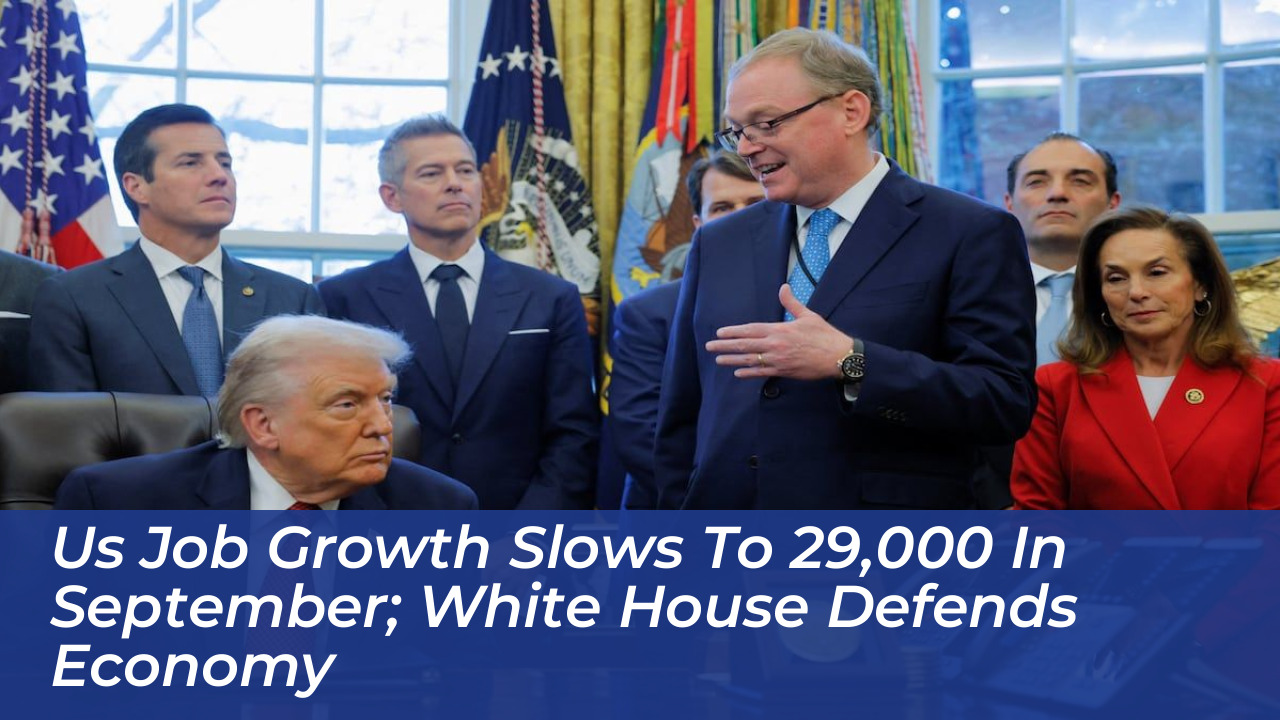
Despite the dismal payroll metrics, National Economic Council Director Kevin Hassett pointed to positive broader trends across other economic indicators during a media interview. The administration emphasized that while hiring momentum has clearly moderated, massive widespread layoffs are not occurring across the broader national landscape. Officials framed the cooling job market as a normalization phase following years of post-pandemic labor turbulence.
However, the broader report underscored deep underlying shifts in the labor market. Average hourly earnings for private-sector workers rose just 0.1 percent, or 5 cents, in September to $37.81. This translates to a 3.0 percent annual increase, which fell short of the 3.2 percent consensus forecast and left workers struggling to keep pace with persistent inflationary pressures on everyday essentials like rent and utilities.
Sector Breakdown: Health Care and Construction Carry the Load
Job growth remained highly uneven across different industries. Health care continued its trend as a primary driver by adding 17,000 positions in September, though even that figure represented a notable slowdown compared to previous months. Construction added 11,000 jobs, and manufacturing contributed 9,000 positions.
Conversely, other sectors experienced noticeable contraction:
- Financial Activities: Lost 7,000 jobs, continuing a broader trend that has cut heavily into white-collar financial sector employment.
- Government: Public sector payrolls shrank by 17,000 positions.
- Hospitality and Leisure: Noted slower hiring velocity compared to historical seasonal averages.
The divide suggests a labor market increasingly splitting along blue-collar and white-collar lines. Hands-on industries keep up modest additions while corporate and governmental departments shed personnel.

Federal Reserve Policy and Market Reactions
Wall Street reacted swiftly to the jobs report. Ten-year Treasury yields fell to 5.17 percent, while Bitcoin surged above $87,000 and spot gold climbed to $4,227 an ounce. Investors largely bet that the soft employment data would keep the Federal Reserve from implementing aggressive additional interest rate hikes when policymakers meet later this month.
The Federal Reserve raised its benchmark interest rate by a quarter percentage point just weeks prior in an effort to curb inflation. While top central bank officials, including New York Fed President John Williams and Vice Chair Philip Jefferson, previously characterized the labor market as solid with receding risks, Friday’s report added notable caution to that outlook.
Consumer sentiment has similarly reflected growing unease. The Conference Board reported that U.S. consumer confidence fell to its lowest level in over a decade in September, driven largely by fears over shrinking employment opportunities and diminished purchasing power.