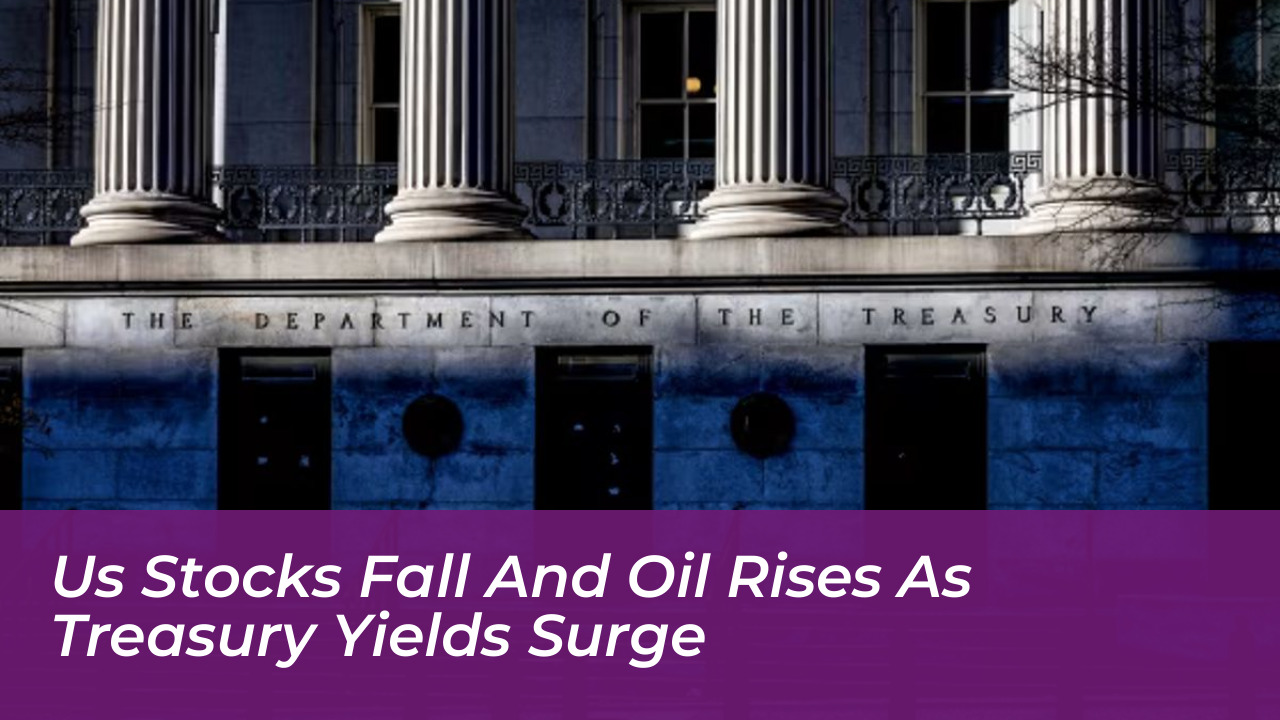
U.S. stocks fell sharply on Monday, September 28, 2026, as escalating geopolitical conflicts fueled a significant 3% surge in crude oil prices. This movement pushed U.S. Treasury yields to multi-year highs and unsettled financial markets worldwide.
The broader market downturn was clearly reflected across major indices. The S&P 500 declined 0.5%, while the tech-heavy Nasdaq Composite fell 0.6% as investors reacted to compounding macroeconomic pressures and tightening financial conditions.
Energy markets experienced severe upward pressure driven by growing supply concerns. Brent crude oil rose to nearly $108 per barrel, marking its highest price level since September 15. Concurrently, U.S. crude oil increased to almost $96 per barrel, adding further strain to global supply chains and consumer price outlooks.
Geopolitical Tensions and Diplomatic Hurdles
Market volatility saw a brief pause in oil’s upward momentum following reports that international mediators planned separate meetings with U.S. and Iranian officials to discuss the ongoing military conflict. Hopes for a diplomatic de-escalation were quickly tempered, however.
Iran’s semi-official ISNA news agency reported that Iranian Foreign Minister Abbas Araghchi would meet exclusively with mediators, explicitly clarifying that no direct or indirect U.S. representatives would participate in the discussions.
Broader Economic Implications of Rising Treasury Yields
Alongside the shock in energy markets, surging U.S. Treasury yields compounded the downward pressure on equities. Higher yields increase borrowing costs for businesses and consumers alike, prompting a broader risk-off sentiment among institutional investors.
- S&P 500 declined by 0.5% at the closing bell.
- Nasdaq Composite dropped 0.6% amid sector-wide pullbacks.
- Brent crude approached $108 per barrel, hitting multi-week highs.
- U.S. crude futures traded near $96 per barrel following a 3% surge.
Market analysts note that upcoming economic data releases and ongoing developments surrounding Middle Eastern diplomacy will likely dictate whether equities can stabilize or if yields and commodity prices will sustain their upward trajectory.