

Federal authorities have confirmed the presence of the New World screwworm parasite in an elk in Pecos County, Texas. This marks the first documented detection of the flesh-eating pest in U.S. wildlife. The U.S. Department of Agriculture (USDA) announced on Wednesday that a hunter harvested the animal on a game ranch, prompting an immediate expansion of federal and state surveillance.
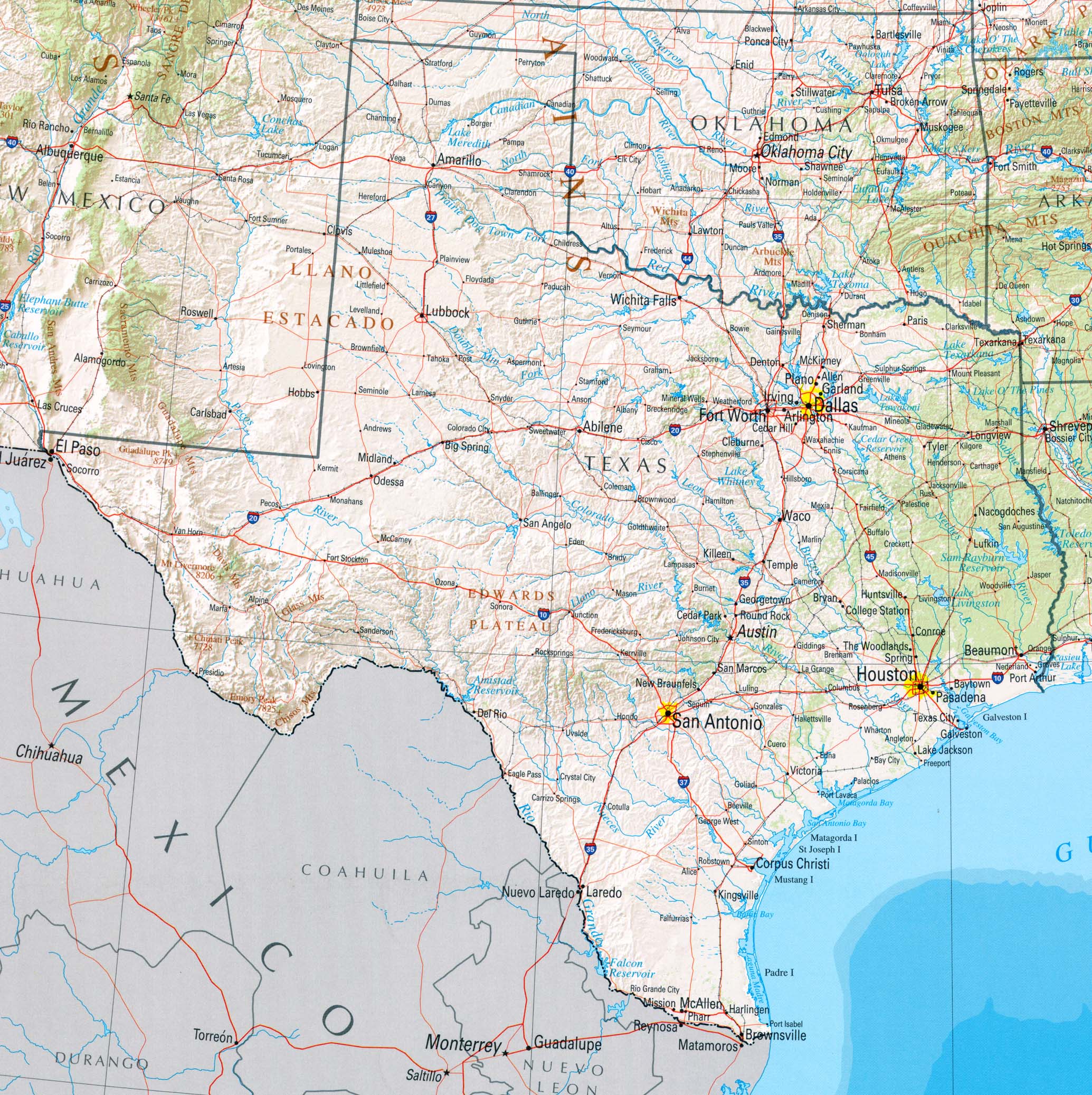
Expanded Surveillance and State Response
Following the confirmation, the Texas Animal Health Commission announced plans to adjust an existing infested zone. Meanwhile, the USDA and the Texas Parks and Wildlife Department are deploying additional monitoring teams to survey the surrounding region for further signs of the parasite.
Alan Cain, the Texas wildlife division director, urged hunters and landowners to remain vigilant throughout the hunting season. Officials emphasize that early detection is critical to preventing the parasite from establishing a broader foothold in local wild animal populations.
The New World Screwworm
The New World screwworm is a parasitic fly species. Its larvae feed on the living tissue of warm-blooded animals. Female flies lay eggs in open wounds or natural body openings. Once hatched, the ravenous larvae burrow into the flesh. This causes severe injury, secondary infections, and potential mortality if left untreated.
Key warning signs of an infestation in livestock and wildlife include:
- Visible maggots within open wounds or injuries
- Foul-smelling discharge from cuts or body openings
- Animals exhibiting unusual weakness, lethargy, or distress
- Enlarging or deep open wounds on the body
- Infestations localized around the nose, mouth, ears, eyes, or genital areas
The USDA maintains that the parasite does not affect food safety. However, heavy infestations can significantly impact livestock health and regional meat production. Decades ago, the United States successfully eradicated the pest through sterile insect techniques. Recent surges through Central America and Mexico have now heightened biosecurity concerns.
Broader Regional Impact and Trade Measures
This wildlife detection follows a string of recent scares in the region. These incidents include an October confirmation of the New World screwworm in a New Mexico beef cow, and a prior detection in a 3-week-old Texas calf earlier in the year. The northern migration of the pest prompted Washington to impose a temporary ban on Mexican cattle imports. Trade partially resumed in August at an Arizona port under a strict phased reopening plan.
Federal and state agencies urge anyone who discovers animals displaying sus**cious wounds or signs of maggot infestation to report the incident immediately. Reports should go to local veterinarians or state agricultural officials.