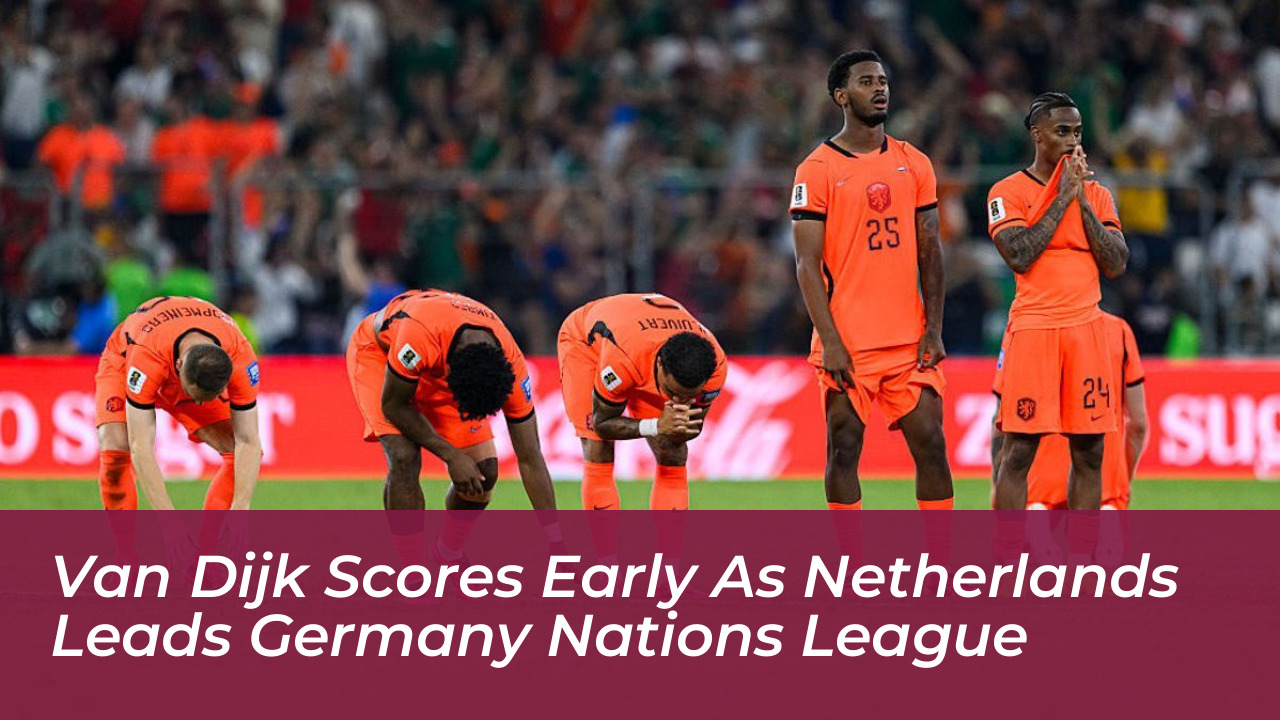
European football witnessed a monumental tactical shift on September 24, 2026, as the Netherlands hosted Germany in a blockbuster UEFA Nations League fixture. The historic rivalry at the Johan Cruyff Arena in Amsterdam carried unprecedented intrigue. Both national teams entered the pitch under brand new management, setting the stage for a fiery encounter that immediately delivered high-stakes drama.
- Introduction to the UEFA Nations League Blockbuster
- Virgil van Dijk Sets the Tone Early
- The Opening Goal and Defensive Lapses
- The VAR Review Drama
- A New Era of International Management
- Xavi Takes the Reins for the Oranje
- Jurgen Klopp Assumes Control for Die Mannschaft
- Tactical Breakdown and First-Half Chaos
- Possession Versus Gegenpressing
- Momentum Shifts and Counter-Attacks
- Injuries and Forced Substitutions
- Kai Havertz Exits for Germany
- Brian Brobbey Injury Forces Dutch Adjustment
- Equalizers, Disallowed Efforts, and Halftime Deadlock
- Felix Nmecha Strikes Back
- The Second Van Dijk Goal Disallowed
- Second-Half Outlook and Group A2 Dynamics
- Ter Stegen Heroics Keep Germany Alive
- Implications for the UEFA Nations League Knockout Stages
- Match Facts at a Glance
- Frequently Asked Questions
- Why was Virgil van Dijk’s first-half goal checked by VAR?
- Who are the new managers for the Netherlands and Germany?
- Where is the match being played?
- What happened to Kai Havertz during the match?
Introduction to the UEFA Nations League Blockbuster
Setting the scene at the Johan Cruyff Arena in Amsterdam on September 24, 2026, fans packed the stands to witness a new chapter in this legendary European rivalry. The atmosphere crackled with anticipation as supporters awaited the tactical adjustments of two brand new coaching setups.
This Group A2 high-stakes clash between European heavyweights carried immense significance for the early stages of the tournament. Both squads needed a statement performance to establish dominance in a group that also features formidable opponents like Serbia and Greece.
Adding to the theater of the evening were the dual managerial debuts of Xavi Hernandez and Jurgen Klopp. Their contrasting philosophies guaranteed a fascinating tactical chess match from the opening whistle to the final minute.
Virgil van Dijk Sets the Tone Early
The Opening Goal and Defensive Lapses
Dutch captain Virgil van Dijk made his presence felt early in the match, scoring a powerful header to put the Oranje ahead. The opener arrived following a well-executed corner kick delivery from the left flank by the Oranje, which sailed dangerously toward the far post.
German goalkeeper Marc-Andre ter Stegen misjudged his path and his departure from the goal line. This major error allowed Van Dijk a free header to capitalize on the defensive lapse and nod the ball into the back of the net.
The VAR Review Drama
Spanish referee Hernandez Hernandez halted celebrations to check Brian Brobbey’s challenge on the German defense during the buildup. The official delayed the restart while reviewing potential contact inside the penalty area.
After a tense evaluation by the video assistant referee, the score was validated. The referee confirmed the legality of the challenge, sending the Amsterdam crowd into raptures and preserving the early Dutch lead.
A New Era of International Management
Xavi Takes the Reins for the Oranje
Xavi Hernandez became the first foreign manager of the Netherlands since Ernst Happel led the team in 1978. Taking over the national team represents a massive step in the former Barcelona coach’s managerial career.
Xavi immediately initiated a tactical squad overhaul, leaving out veterans in favor of youthful dynamism. This bold strategy aims to revitalize the Dutch style of play with an emphasis on intricate passing and suffocating possession.
Jurgen Klopp Assumes Control for Die Mannschaft
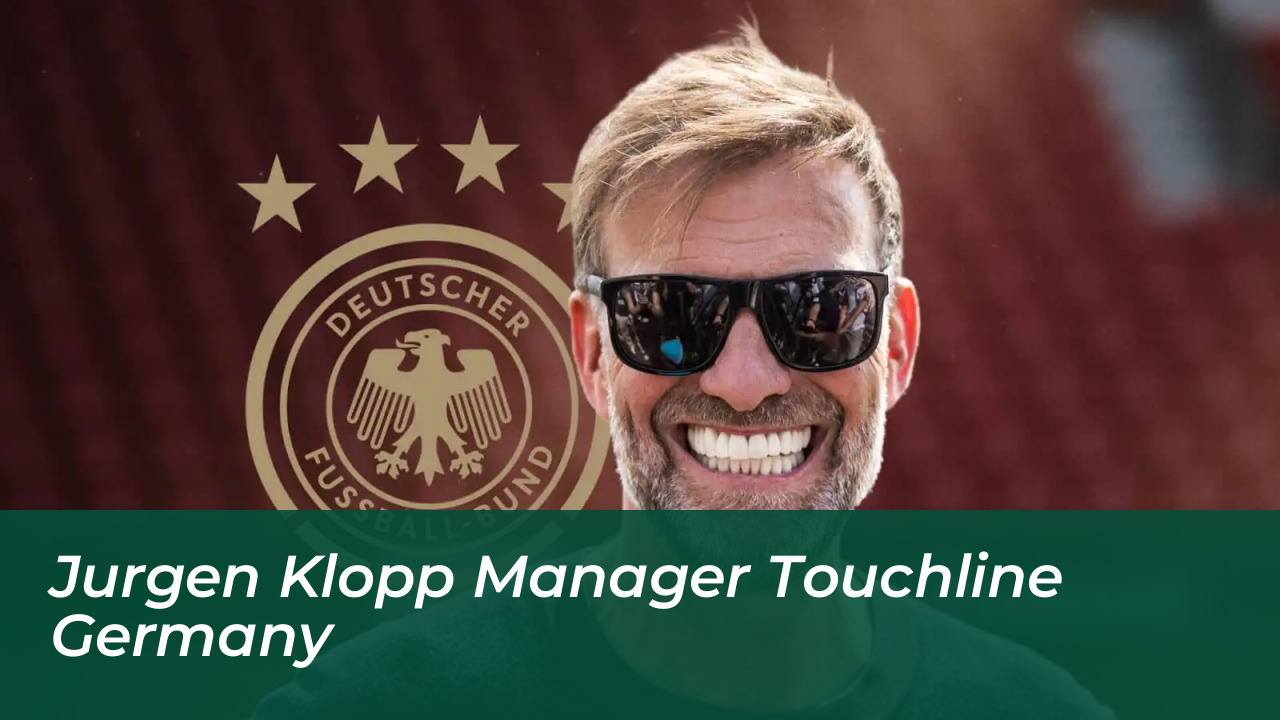
Jurgen Klopp steps into international management after the summer coaching carousel shook up European football. The former Liverpool manager brings his trademark enthusiasm and tactical acumen to the German national team setup.
Klopp implemented an unconventional squad selection strategy, utilizing an expansive pool of 44 players across autumn fixtures. This approach gives him a broad look at emerging German talent as he builds toward future tournaments.
Tactical Breakdown and First-Half Chaos
Possession Versus Gegenpressing
The opening forty-five minutes showcased stark tactical contrasts between Xavi’s possession-heavy philosophy and Klopp’s high-intensity system. The Netherlands dominated early phases, utilizing short passing sequences through Tijjani Reijnders and Ryan Gravenberch to dictate the tempo.
Klopp’s high-intensity gegenpressing system faced initial struggles against a disciplined Dutch midfield. Die Mannschaft found it difficult to win the ball back cleanly as the Oranje circulated possession with remarkable patience and precision.
Momentum Shifts and Counter-Attacks
Die Mannschaft worked back into the game as the half progressed via quick transitions through Karim Adeyemi and Kevin Schade. Their pace on the flanks caused considerable trouble for the Dutch fullbacks.
Intense midfield battles involving Joshua Kimmich and Quinten Timber dictated the rhythm of the game. Both players fought fiercely for second balls, highlighting the physical nature of this fierce international rivalry.
Injuries and Forced Substitutions
Kai Havertz Exits for Germany
The frantic pace of the match exacted an early physical toll, forcing a vital tactical change. Arsenal forward Kai Havertz sustained a left-leg injury following a robust challenge in the congested midfield.
Younes Ebnoutalib enters the fray in the 28th minute to spearhead the attack. Klopp had to adjust his frontline on the fly to maintain offensive pressure against the resolute Dutch defense.
Brian Brobbey Injury Forces Dutch Adjustment
The Netherlands faced a similar personnel crisis shortly before the halftime interval. A physical aerial duel with Jonathan Tah left Brobbey clutching his leg in obvious discomfort.
Mexx Meerdink steps up for an unexpected international baptism by fire, replacing the injured striker. Xavi had to rely on his bench depth much earlier than anticipated in such a high-profile fixture.
Equalizers, Disallowed Efforts, and Halftime Deadlock
Felix Nmecha Strikes Back
Germany equalized in the 38th minute with a close-range right-footed finish from Felix Nmecha. The midfielder found space inside the box and slotted his shot neatly into the bottom left corner.
Dutch players protested vociferously over play continuation while an injured player lay on the pitch. Despite the heated appeals, the referee allowed the goal to stand, leveling the score at 1-1.
The Second Van Dijk Goal Disallowed
Set-piece chaos nearly restored the Dutch lead before a VAR intervention broke German hearts. The ball fell kindly to Van Dijk inside a crowded penalty area, and he bundled it across the line.
However, an infringement inside the six-yard box ruled out the second header. The referee chalked off the effort after determining a foul occurred during the chaotic scramble.
Second-Half Outlook and Group A2 Dynamics
Ter Stegen Heroics Keep Germany Alive
Goalkeeper Marc-Andre ter Stegen produced vital saves against Crysencio Summerville, Micky van de Ven, and Cody Gakpo. His shot-stopping ability kept Germany in the match during intense periods of Dutch pressure.
Defensive resilience under sustained pressure before the interval allowed Die Mannschaft to reach the locker rooms on level terms. Ter Stegen organized his backline effectively to neutralize multiple dangerous set-piece situations.
Implications for the UEFA Nations League Knockout Stages
Psychological advantages in Group A2, which also features Serbia and Greece, hang in the balance. Winning this opening fixture provides massive momentum for the remainder of the group stage campaign.
Analyzing the long-term tactical trajectory for Xavi and Klopp reveals two teams evolving rapidly. Both managers are implementing distinct philosophies that will shape European football for years to come.
Match Facts at a Glance
| Detail | Information |
|---|---|
| Tournament | UEFA Nations League (Group A2, Matchday 1) |
| Venue | Johan Cruyff Arena, Amsterdam |
| Date | September 24, 2026 |
| Managers | Xavi Hernandez (Netherlands) vs. Jurgen Klopp (Germany) |
| Referee | Hernandez Hernandez (Spain) |
Frequently Asked Questions
Why was Virgil van Dijk’s first-half goal checked by VAR?
The referee reviewed the challenge involving Brian Brobbey, the German defensive line, and goalkeeper Marc-Andre ter Stegen during the corner kick buildup before confirming the goal was legal.
Who are the new managers for the Netherlands and Germany?
Xavi Hernandez manages the Netherlands, marking his first stint in international football, while Jurgen Klopp manages Germany after taking over following a storied club career.
Where is the match being played?
The match takes place at the Johan Cruyff Arena in Amsterdam, serving as the iconic home ground for AFC Ajax and the Dutch national team.
What happened to Kai Havertz during the match?
The German forward sustained a left-leg injury following a robust challenge in the first half and was replaced by Younes Ebnoutalib in the 28th minute.