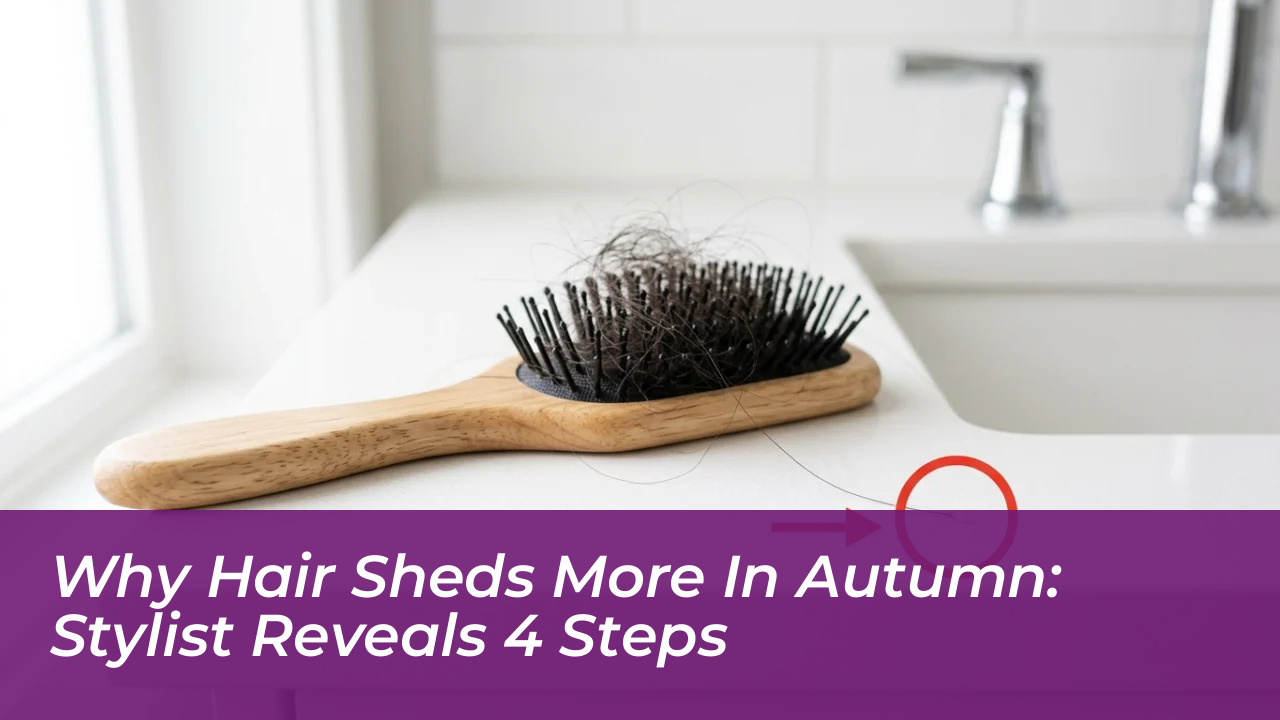

If your shower drain or hairbrush looks a fuller as the temperature drops, you are far from alone. Many people experience a noticeable uptick in hair fall during September and October. Award-winning celebrity hair stylist Melissa Timperley explains that this seasonal thinning is an adaptable biological response to shifting daylight hours, indoor heating, and changing diets. These factors push follicles into a temporary resting phase. While seeing extra strands in your brush can feel alarming, understanding the science makes the shift much easier to manage.
The Biological Drivers Behind Autumn Shedding
The primary culprit behind increased shedding lies in how the human body processes reduced sunlight. Less natural daylight alters internal chemical production, creating a chain reaction that directly targets the scalp.
As daylight hours shorten, your body produces more melatonin, the hormone that regulates sleep. While this helps with rest, it can subtly influence your hair growth cycle, causing some follicles to move into the shedding phase. — Melissa Timperley
At the same time, mood-regulating serotonin levels drop while cortisol — the body’s primary stress hormone — spikes due to schedule disruptions and reduced sun exposure. This hormonal shift can push hair follicles out of their active growth cycle and into the resting state, resulting in a temporary condition known as telogen effluvium.
Environmental Friction and Dehydration
Colder outside air paired with dry indoor heating quickly leaches moisture from both your scalp and strands. This moisture deficit leaves hair brittle, vulnerable to breakage, and prone to accelerated shedding.
Physical friction plays an equally destructive role throughout the colder months. Everyday cold-weather staples like wool hats, coarse scarves, and high collars rub continuously against fragile strands. This constant contact weakens the outer hair shaft over time.
Myth vs. Reality: Seasonal Shedding Is Not Permanent Baldness
A widespread misconception is that sudden seasonal hair shedding signals irreversible thinning or long-term follicle damage. In reality, seasonal shedding is a temporary phase in the normal hair cycle rather than permanent follicular death. Because the roots remain healthy and intact beneath the surface, targeted lifestyle adjustments and protective routines can quickly steady the growth cycle.
The Hair Growth Cycle
To fully grasp why autumn hits your hair so hard, it helps to review the natural timeline of follicle progression:
- Anagen Phase (Growth): Lasts two to seven years, with follicles actively producing new hair. Research shows anagen percentages peak in late winter and early spring.
- Catagen Phase (Transition): A brief two-to-three-week resting transition where growth stops.
- Telogen Phase (Resting): Lasts roughly three months. Summer sunlight exposure triggers a peak in resting follicles, which ultimately shed months later in the autumn.
- Exogen Phase (Shedding): The final release of the resting strand to make way for new growth, peaking heavily between September and November.
Four Stylist-Approved Habits to Boost Hair Growth
Reversing autumn hair thinning requires an active defense strategy that addresses both topical hydration and internal nourishment. Timperley outlines four foundational habits designed to safeguard your mane throughout the colder months:
- Nourish your scalp: Apply targeted, circulation-boosting and hydrating scalp treatments on a weekly schedule to keep roots conditioned.
- Protect and strengthen: Replace lightweight summer cleansers with richer, moisture-locking shampoos, conditioners, and leave-in formulas, always applying heat protectants prior to styling.
- Balance your nutrition: Counter comfort-food cravings by fueling your body with foods rich in omega-3 fatty acids, vitamin D, and iron, including leafy greens and healthy fats.
- Manage stress levels: Focus on restorative sleep, low-impact exercise, and conscious relaxation to keep cortisol spikes from shocking hair follicles.
If you have noticed more hair shedding as the seasons shift, you are definitely not alone. Many people experience increased hair fall in autumn and winter as part of how our bodies naturally adapt to environmental and lifestyle changes. Simple adjustments in nutrition and friction protection can stop temporary autumn shedding from damaging your hair over the long term.
Frequently Asked Questions
Is it normal to shed more hair in the fall?
Yes. Studies tracking hair growth cycles consistently find that the telogen resting phase peaks in late summer, resulting in a shedding wave that hits hardest between September and November. Daily loss can increase from a baseline of 50 to 100 hairs to 150 or more.
How long does seasonal hair shedding last?
Most individuals experience excessive shedding for four to eight weeks. If your shedding continues beyond three months without slowing down, consult a dermatologist or trichologist to rule out underlying issues.
Can seasonal shedding cause permanent hair loss?
No. Seasonal shedding is completely temporary and self-resolving. Follicles remain healthy and intact beneath the scalp surface, immediately beginning a fresh growth cycle.
Does washing hair more frequently increase shedding?
No. Washing more often simply releases already-shed hairs that were trapped between washes. Frequent washing does not alter the total volume of hair your body naturally discards.
When should I see a professional about hair loss?
You should seek professional guidance if your shedding lasts longer than three months, exceeds 150 hairs daily, reveals widening parts, or results in distinct patchy bald spots.