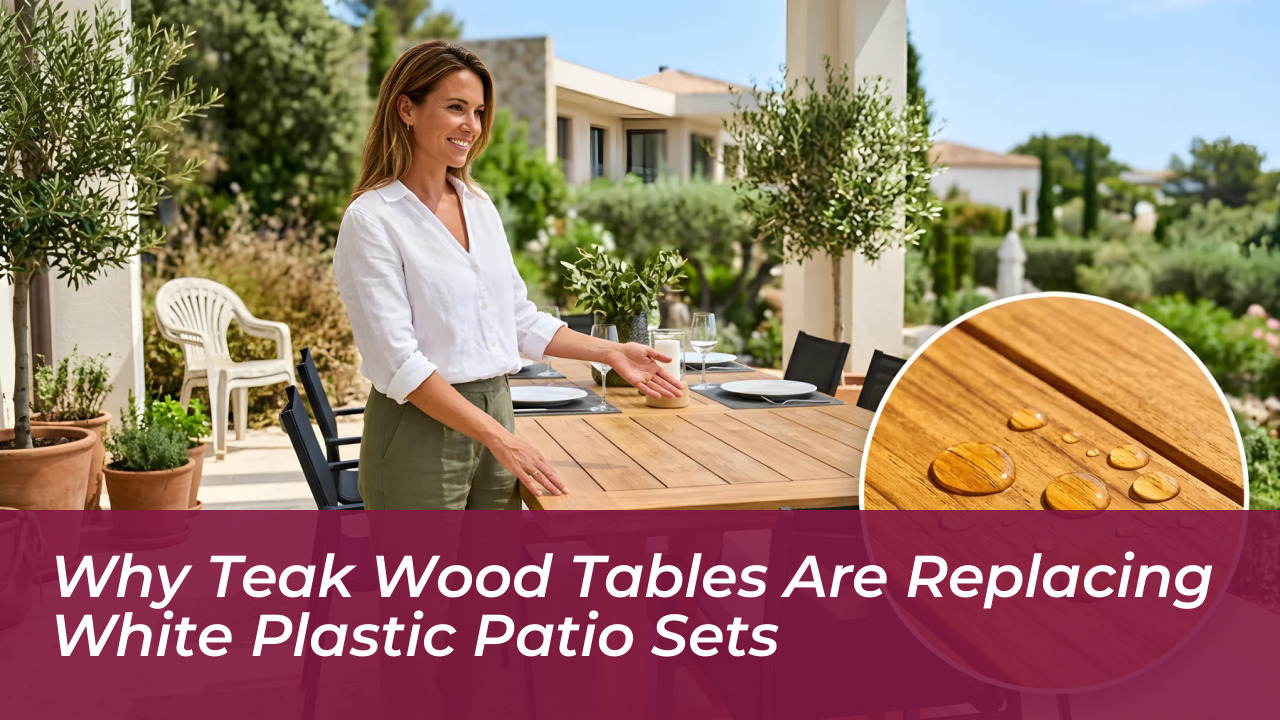
Classic white plastic patio sets are rapidly losing their place in modern backyard design as natural teak wood tables emerge as the preferred choice for homeowners. Seeking superior weather resistance, natural warmth, and elevated aesthetic appeal, property owners are moving away from synthetic alternatives. Built-in botanical oils allow this dense tropical hardwood to endure moisture, insects, and heavy sun exposure far better than lightweight plastics, effectively bridging the gap between indoor luxury and outdoor endurance.
Due to high traffic on this story, please verify you are not a bot to instantly unlock the remaining content. Takes only 5 seconds!
Verify & Continue ReadingWhile molded plastic furniture has long offered budget-friendly convenience, it frequently suffers from brittleness, discoloration, and wind vulnerability over time. In contrast, teak provides a structurally resilient alternative that adapts naturally to changing outdoor climates while upgrading garden, deck, and terrace dining setups into long-lasting gathering hubs.
The Natural Resilience and Science of Teak Furniture
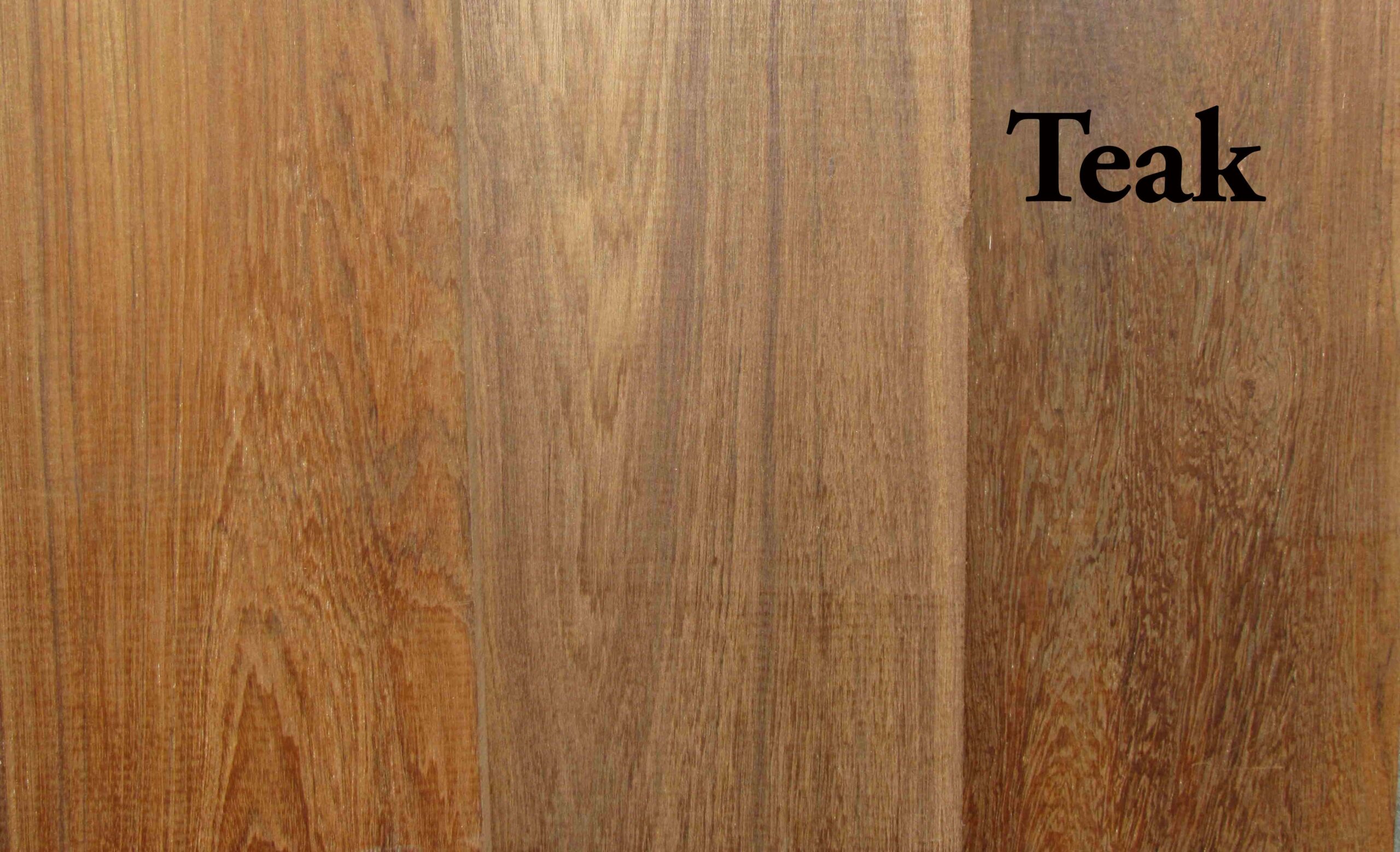
Teak, known botanically as Tectona grandis, is a dense tropical hardwood natively saturated with high concentrations of organic oils and rubber. These internal compounds act as a powerful natural barrier against moisture penetration, rot, and routine wear. This gives the material a massive structural advantage over standard softwoods and untreated outdoor surfaces. Beyond its protective chemistry, the timber stands out for several core properties:
- Weather resistance: The wood handles severe exposure to sun, rain, and freezing temperatures significantly better than most standard timbers.
- Natural aesthetics: Rich golden undertones and prominent grain lines add depth, warmth, and organic character to any outdoor setting.
- Long-term durability: Proper routine care allows well-built pieces to last for decades without losing their structural strength.
- Design versatility: The organic surface pairs seamlessly with matte black iron, brushed aluminum, woven fibers, and stone accents.
Prolonged exposure to direct sunlight and open air naturally shifts the timber’s original honey-amber shade into a distinct silver-gray patina. This transformation is entirely cosmetic, leaving the internal strength of the timber intact. A common misconception is that silver-gray weathered teak has decayed, when in reality this surface patina is a natural ultraviolet reaction that leaves structural integrity completely unaffected.
Designing a Modern Patio Around Teak Wood Tables
A single teak wood table can anchor an entire patio redesign without requiring a complete overhaul of existing decor. The core design objective is pairing the timber with balancing textures and clean neutral tones. Matte black iron dining chairs introduce a crisp modern contrast against the warm honey tones of the grain. Complementary seat cushions and outdoor throws in sand, off-white, and warm beige soften the layout while reflecting natural sunlight.
Living greenery significantly enhances the organic quality of the wood. Potted olive trees, potted lavender, and ornamental grasses placed around the dining footprint frame the space cleanly. During evening hours, overhead string lights with warm-toned bulbs and outdoor lanterns complete the atmospheric setting for hosting guests.
Material Comparison: Teak Wood vs. Plastic Patio Furniture
Choosing between classic molded plastic and authentic hardwood involves clear trade-offs across durability, upkeep, and aesthetic presence.
- Primary Material: Teak utilizes dense tropical hardwood with natural internal oils. Plastic uses synthetic polymers or recycled HDPE.
- Aging Process: Teak naturally patinas from golden-brown to silver-gray. Plastic resists color changes initially but eventually fades or chalks under UV rays.
- Styling Compatibility: Teak blends organically with iron, aluminum, linen, and woven accents. Plastic offers uniform molded shapes and vibrant solid colors.
- Cleaning Method: Teak requires mild neutral soap, warm water, and a soft-bristle brush. Plastic can be pressure-washed or hosed down easily.
Maintenance Guide for Long-Lasting Outdoor Wood
Although teak is inherently durable, basic seasonal maintenance ensures the wood grain remains smooth and free of surface buildup. A straightforward upkeep plan protects the finish throughout changing seasons:
- Wash with neutral soap: Scrub the surface gently using warm water, a mild pH-neutral detergent, and a soft-bristle brush or microfiber cloth to lift airborne dust and pollen.
- Clear debris promptly: Brush away decaying leaves, wet soil, and standing water immediately after rainstorms to prevent organic surface stains.
- Avoid harsh chemical cleaners: Steer clear of abrasive scrubbing pads, bleach, and aggressive degreasers that strip the wood’s protective natural oils.
- Apply specialized teak protectant: To preserve the original golden hue instead of the silver patina, apply a manufacturer-recommended teak protector or sealer periodically.
If you prefer the distinguished silver-gray patina, skip the sealing oils entirely and let nature take its course. Simple routine surface cleaning is all that is required to keep the table functional and stunning for decades.
Conclusion
Molded resin and lightweight plastic furniture will always serve budget and utility needs. However, natural hardwoods provide unmatched warmth and permanence for outdoor living. Upgrading patio furniture with durable organic materials transforms an ordinary backyard deck into an authentic extension of home living space. This proves that timeless wood outlasts fleeting synthetic trends in modern landscape design.
Frequently Asked Questions
Why are teak wood tables replacing plastic furniture?
Homeowners are shifting to teak tables because they offer superior durability, natural weather resistance, and an upscale aesthetic that plastic simply cannot match. Unlike plastic, which becomes brittle and fades under UV light, teak ages gracefully and lasts for decades.
Does teak wood furniture require a lot of maintenance?
No. Teak is naturally oily and highly resistant to rot and insects. Routine maintenance requires only occasional cleaning with mild soap and water. If you want to maintain its golden color, you can apply an annual teak oil or sealer, but letting it weather to silver requires zero chemical upkeep.
How long do teak outdoor tables last?
Grade-A teak outdoor furniture properly maintained can last between 30 to 50 years-and often several generations. This makes it an exceptional long-term investment compared to plastic furniture that frequently needs replacing every few years.
Does teak wood get too hot in direct sunlight?
Unlike metal furniture or certain dark plastics that can absorb intense heat and become uncomfortable to touch, natural wood dissipates heat effectively. It remains comfortable even during peak summer months.
Can teak furniture stay outside during the winter?
Yes. Teak’s high natural oil and rubber content allows it to withstand heavy rain, snow, ice, and freezing temperatures year-round without cracking, warping, or rotting.