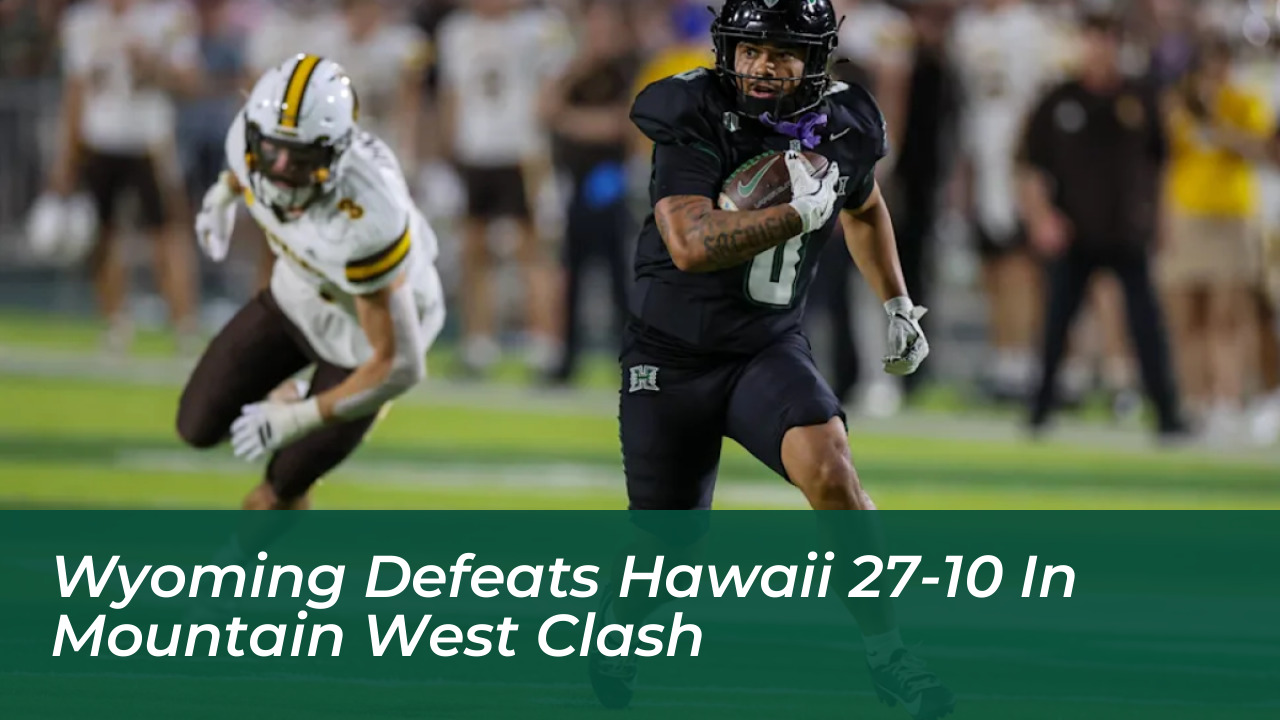
The Wyoming Cowboys and the Hawaii Rainbow Warriors met for a vital early-season Mountain West clash at Jonah Field at War Memorial Stadium in Laramie, Wyoming. Both programs entered the contest holding matching 1-2 overall records, searching for a spark to salvage their respective campaigns. National television coverage was handled by The CW, while streaming options kept fans connected via the ESPN App. As the dust settled on the high plains, the matchup provided definitive answers regarding altitude adjustments, offensive identities, and conference positioning.
- The 7,220-Foot Advantage: Altitude as a Factor
- Coaching Pressures and Offensive Identities
- Wyoming Quest for Stability
- Hawaii Road Adjustments
- Game Recap: How Wyoming Secured the Victory
- First Half Control
- Second Half Pullaway
- Statistical Breakdown of the Mountain West Opener
- Season Implications and Next Steps
- Wyoming Momentum Building
- Hawaii Course Correction
- Frequently Asked Questions
- What was the final score of the Wyoming and Hawaii game?
- Where was the Mountain West game played?
- How high is the elevation at Wyoming’s stadium?
- Who led Wyoming’s rushing attack?
Jonah Field at War Memorial Stadium provided the backdrop for a physical conference battle that tested the limits of both squads. Fans packed the stands on a clear afternoon to witness two teams desperate to reverse their early-season trajectories. The atmosphere crackled with anticipation as the opening kickoff soared through the thin mountain air.
The 7,220-Foot Advantage: Altitude as a Factor
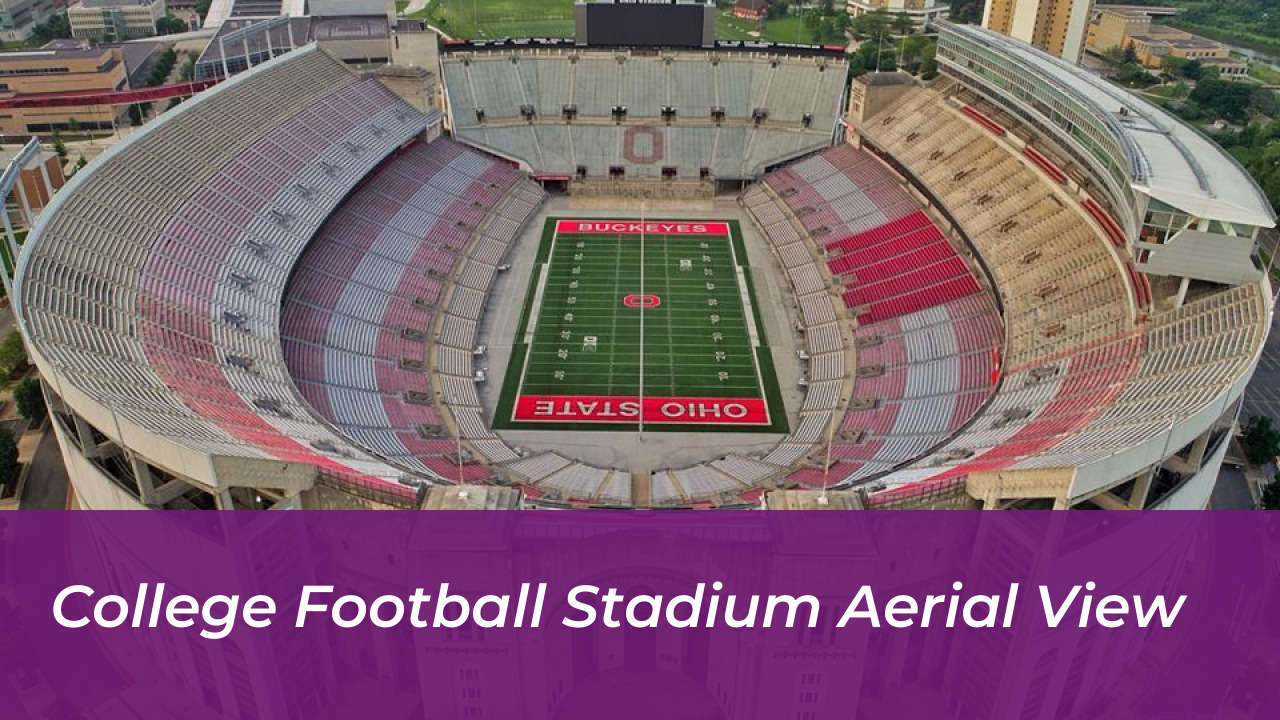
One of the most defining storylines heading into Saturday centered on the unique geographical environment of Laramie. Sitting at an elevation of 7,220 feet, War Memorial Stadium represents the highest altitude venue in all of NCAA Division I FBS football. Visiting teams from sea-level environments routinely face daunting physiological hurdles.
For Hawaii, the journey required crossing nearly the entire Pacific Ocean, changing multiple time zones, and stepping onto a field where oxygen deprivation accelerates fatigue. Historically, visiting squads that fail to implement aggressive hydration and early arrival strategies suffer in the second half. The thin air impacts stamina, punts travel further, and unacclimatized players experience heavy legs much faster than usual.
Wyoming capitalized on this natural atmospheric edge, leveraging its home crowd and familiarity with the altitude to control the tempo as the game wore on. The home team rotated players frequently to keep fresh legs on the field, wearing down the island visitors.
Physiological research on athletic performance at high elevation consistently highlights the strain placed on non-native competitors. Lactic acid buildup happens faster without adequate acclimatization periods.
Coaching Pressures and Offensive Identities
Both coaching staffs entered the contest under intense public scrutiny. Adjustments on both sides of the ball dictated the flow of the game from the opening whistle.
Wyoming Quest for Stability
Jay Sawvel faced mounting questions regarding offensive production after a sluggish start to the season that included frustrating outings against both FBS and FCS opponents. The Cowboys needed to establish a reliable rhythm on the ground to ease pressure on the play-calling booth.
Establishing an effective ground game allowed the offense to dictate terms and protect the defense from tiring out too quickly. Offensive linemen fired off the ball with authority, opening up large running lanes.
Coaches emphasized ball security during practice all week to avoid unforced errors.
Hawaii Road Adjustments
Hawaii experienced similar offensive inconsistencies under the direction of quarterback Micah Alejado. While the young signal-caller flashed dynamic potential during a 346-yard performance against New Mexico State earlier in the month, outings against stiffer competition exposed execution flaws.
The Rainbow Warriors used an early-season bye week to address blocking assignments and receiver depth, but translating those practice adjustments to a high-elevation road environment proved exceptionally difficult. Pass protection broke down during key moments, stalling drives.
Coordinators tried quick passes to counter the pass rush, but Wyoming linebackers diagnosed screens effectively.
Game Recap: How Wyoming Secured the Victory
When kickoff finally arrived under clear Laramie skies, Wyoming established its physical identity immediately. Execution across all phases enabled the Cowboys to pull away.
First Half Control
Tyler Hughes orchestrated an efficient offensive attack, completing 17 of 23 passes for 204 yards while committing zero turnovers. His steady hand provided the exact stability the Cowboys needed in the passing game.
Markell Holman delivered a standout performance, rumbling for 87 yards and two vital touchdowns. His short-yardage plunge with just over three minutes remaining in the second quarter sent Wyoming into the locker room with a 13-3 halftime advantage.
Defensive pressure forced quick throws from the visitor backfield.
Second Half Pullaway
Defensive adjustments defined the third quarter as both teams traded punts and forced critical third-down stops in the thin air. Neither offense found much breathing room during this defensive stalemate.
Samuel Harris sealed the contest with a late fourth-quarter touchdown run. He punished the Hawaii defense all afternoon, adding 94 yards on the ground to put the game out of reach.
Special teams units also contributed significantly by pinning the opponent deep inside their own territory.
Statistical Breakdown of the Mountain West Opener
A deep dive into the box score reveals how Wyoming asserted control in the trenches while limiting explosive plays from the Rainbow Warriors. The home team dominated time of possession and won the battle in the rushing attack.
| Team Metric | Wyoming Cowboys | Hawaii Rainbow Warriors |
|---|---|---|
| Final Score | 27 | 10 |
| Conference Record | 1-0 | 0-2 |
| Passing Yards | 204 | 226 |
| Rushing Yards | 183 | 75 |
| Turnovers Lost | 0 | 0 |
Time of possession heavily favored the home squad by nearly ten full minutes. This statistical disparity wore down the defensive line over four quarters.
Season Implications and Next Steps
The outcome of this matchup alters the trajectory for both programs as autumn conference play heats up across the Mountain West.
Wyoming Momentum Building
Moving to 2-2 overall and 1-0 in Mountain West play relieves immediate pressure on Jay Sawvel and his coaching staff. The victory proves that the team can execute a balanced game plan when playing at home.
The Cowboys now turn their attention toward a challenging upcoming road matchup against North Dakota State. Maintaining this physical rushing style will prove essential on the road.
Roster depth remains a focal point for the training staff heading into the mid-season stretch.
Hawaii Course Correction
Dropping to 1-3 overall and 0-2 in conference action highlights lingering concerns regarding offensive consistency away from home. Overcoming massive travel itineraries and high-altitude venues remains a tough hurdle for the program.
The Rainbow Warriors return home to host San Jose State next Saturday. Securing a bounce-back win in front of their home fans is necessary to keep their conference hopes alive.
Coaches plan heavy film sessions to fix blocking schemes before the next conference test.
Frequently Asked Questions
What was the final score of the Wyoming and Hawaii game?
Wyoming defeated Hawaii by a score of 27-10.
Where was the Mountain West game played?
The game took place at Jonah Field at War Memorial Stadium in Laramie, Wyoming.
How high is the elevation at Wyoming’s stadium?
War Memorial Stadium sits at an elevation of 7,220 feet above sea level.
Who led Wyoming’s rushing attack?
Samuel Harris led the ground game with 94 rushing yards and a late touchdown.