Spending just 20 minutes a day sweeping and mopping your floors adds up to nearly 122 hours every year. That is more than five full days lost to routine housework. An automated robot vacuum eliminates that manual burden completely, operating on preset schedules while navigating rooms independently. However, if you genuinely relish hauling out a heavy upright machine every evening after work, bringing an automated floor cleaner into your home will disrupt that entire pastime. Automated home cleaning appliances have shifted from clumsy novelties that bump into chair legs into precision machines equipped with advanced optical sensors and laser guidance. These modern units map floor plans and scrub surfaces without human intervention.
Due to high traffic on this story, please verify you are not a bot to instantly unlock the remaining content. Takes only 5 seconds!
Verify & Continue ReadingDaily dirt accumulation demands constant attention. High-traffic hallways, kitchens prone to crumbs, and entryway grit require frequent passes to stay presentable. Handled manually, keeping hard surfaces spotless demands regular physical labor, tracking down extension cords, and lugging water buckets across rooms. Modern automated units approach the problem through continuous maintenance rather than occasional weekend marathons. Instead of waiting for Saturday morning to clear accumulated dust, automated cleaners run quiet cycles when rooms stand empty.
Laser Guidance and the Mechanics of Smart Cleaning
Laser-guided mapping systems allow these devices to plot methodical cleaning paths. Rather than ping-ponging blindly between walls, modern units track their exact position, sweep room perimeters, and tackle the interior in clean, parallel lines. Dedicated smartphone apps let users designate specific rooms, target small zones around dining tables, or establish virtual no-go boundaries around pet bowls and fragile furniture. Consistent, daily low-profile cleaning removes surface debris before foot traffic grinds grit permanently into floor finishes.
Living with pets means living with constant shedding. Dogs and cats shed fur across carpets, tile, and hardwood alike, creating visible drifts along baseboards. Yet the real challenge lies beneath the visible pet hair. Pet dander consists of microscopic protein particles shed from animal skin, saliva, and urine. The Asthma and Allergy Foundation of America (AAFA) notes that animal hair carries these potent proteins alongside outdoor allergens into living spaces. To keep air quality stable, the AAFA recommends vacuum cleaners equipped with certified HEPA filtration. The organization also cautions that inferior exhaust systems can vent agitated dust back into indoor breathing zones.
Mopping Mechanics: Cloth Dragging vs. Active Scrubbing
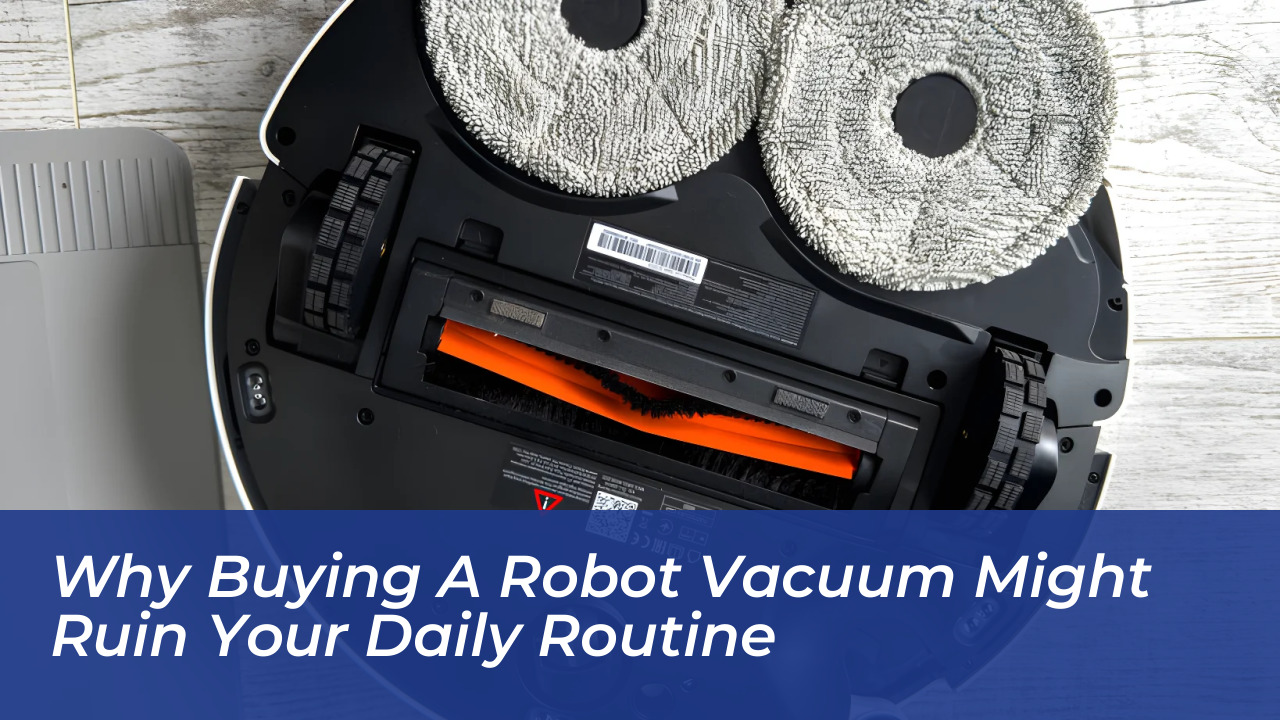
Floors face sticky spills, footprints, and fine dust films that suction alone cannot lift. Early robotic cleaners simply dragged a wet microfiber pad behind them, functioning essentially as a passive damp wipe. Modern units have evolved significantly. Contemporary mopping modules use motorized rotating pads that actively scrub hard surfaces. Advanced designs extend their mop arms outward to clean tight along baseboards and cabinet edges. When detecting area rugs or fitted carpets, intelligent lift systems raise the wet pads several millimeters off the ground to keep soft textiles dry while vacuuming continues uninterrupted.
Key Hardware Differences
- Navigation Technology: LiDAR and optical sensors map precise floor layouts, avoiding erratic impacts and enabling no-go zones.
- Mopping Mechanism: Dual high-speed rotating pads exert downward pressure, scrubbing spills instead of dragging a damp cloth.
- Carpet Detection: Ultrasonic sensors detect pile height, automatically lifting wet pads or triggering dock retraction.
- Multifunction Dock: Empties dry dust, refills internal clean-water tanks, and washes and hot-air dries mopping assemblies.
- Energy Consumption: Battery-driven DC motors run at substantially lower wattages during sweeping than standard corded vacuums.
Realistic Maintenance and What Robots Cannot Do
Automated cleaners do not eliminate regular household maintenance entirely. Multifunction dock stations automate dustbin emptying, clean-water refilling, and pad drying, but human oversight remains necessary. Owners still need to dump dirty water tanks before odors develop, replenish fresh water supplies, inspect roller brushes for tangled hair, and wipe clear optical drop sensors.
A standard floor disc cannot climb stairs or vacuum deep sofa crevices. Stray phone charger cables and light drapery cords should still be cleared from the floor to avoid roller stalls, regardless of obstacle-avoidance claims. Just as automatic washing machines and dishwashers handle daily chores to return personal hours, an automated floor cleaner removes repetitive friction from everyday life. Handheld vacuums and traditional mops retain utility for deep spot cleaning, but steady daily automation keeps bare floors reliably clean on schedule. Evaluate your primary flooring to determine whether advanced rotating mops or standard suction brushes fit your layout best before making a purchase.