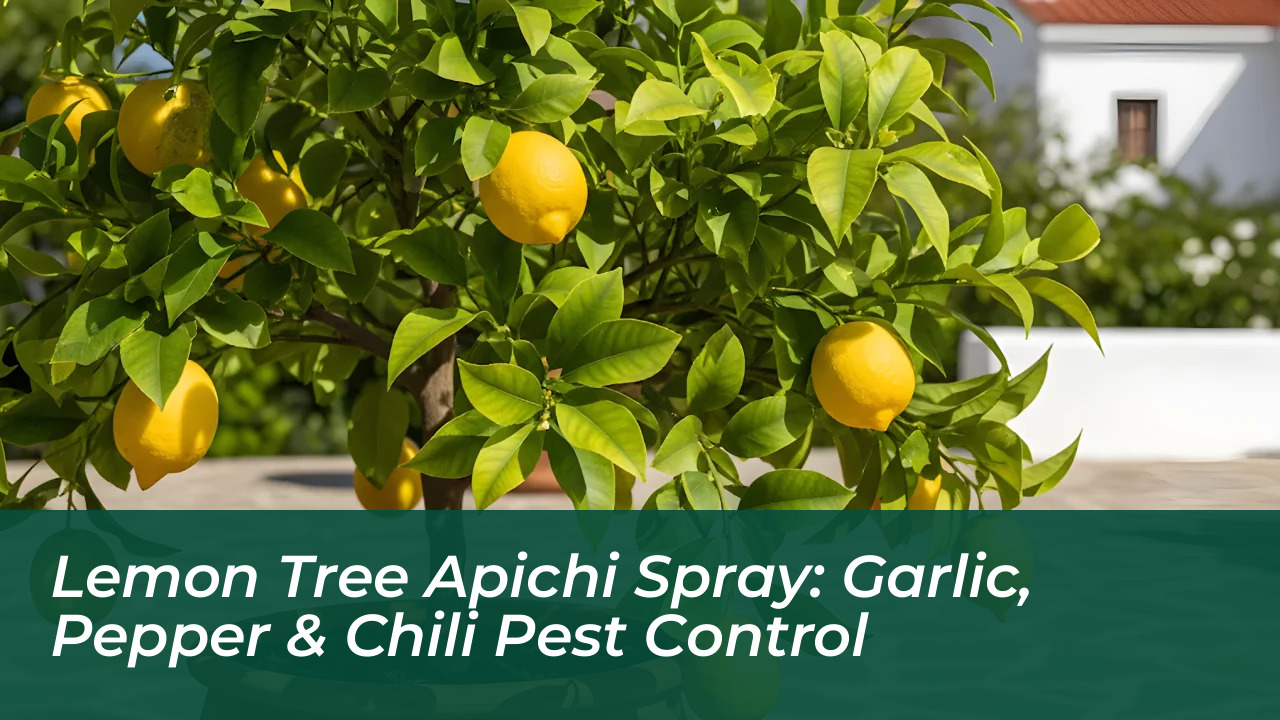

Aphids are common and persistent pests that affect lemon trees, typically appearing in large numbers during spring to gradually weaken the plant. While commercial chemical treatments are widely available, many gardeners prefer eco-friendly, homemade preparations to keep these destructive insects at bay. One of the most powerful yet lesser-known organic remedies is known as “apichi”-a potent botanical insecticide combining garlic, pepper, and hot chili pepper.
Toni Jardón, creator of the popular gardening channel La Huertina de Toni, highlights this mixture as an exceptionally effective natural solution for home gardeners. Understanding what this spray does, how it works, and when experts recommend its application can transform the health of your citrus orchard.
What is Apichi and What is it Used For?
According to garden specialists, apichi is one of the most powerful homemade insecticides you can prepare to fight garden pests using ingredients straight from your kitchen. Specifically, experts recommend it to combat almost any type of soft-bodied insect pest. Among the primary targets are:
- Aphids: Insects that feed on flower buds, tender leaf shoots, and the undersides of leaves, causing foliage to curl and stunt the tree’s growth.
- Whiteflies: Tiny sap-sucking pests that weaken the vitality of the plant and leave behind a sticky residue.
- Red Spider Mites: Microscopic arachnids that damage leaves by piercing plant cells and sucking out vital moisture.
In citrus trees like lemons, aphids target vulnerable new growth. They can appear in various colors-including yellow, green, black, and gray-and function either as specialized plant feeders or polyphagous species that attack multiple crop varieties. By sucking the sap from the plant, these pests not only weaken the tree directly but also create microscopic wounds where secondary fungal infections can take hold, potentially ruining the entire harvest.
The Science Behind the Ingredients: Garlic, Pepper, and Chili
The effectiveness of the apichi mixture relies on the unique chemical properties of its core components. When combined, they create an inhospitable environment for unwanted insects.
- Garlic: When crushed or blended, garlic releases allicin, a powerful sulfur compound that emits a pungent odor. This strong scent acts as a natural deterrent, masking the attractive aromas of the host plant and confusing insect olfactory receptors.
- Hot Peppers and Chili: Peppers contain capsaicin, a powerful natural irritant. When insects encounter capsaicin, it causes severe sensory irritation, deterring them from feeding and driving them away from the foliage.
Unlike standard chemical pesticides that eradicate beneficial fauna indiscriminately, organic sprays like apichi primarily function through repellency and mild contact irritation, making them safer for the broader garden ecosystem when applied correctly.
Apichi vs. Garlic Infusion: Which is Better?
Gardeners often confuse apichi with a simple garlic infusion, but experts note important distinctions in their mechanisms and objectives. A standard garlic infusion is made using only garlic and water steeped over time. Rather than killing insects directly, a garlic infusion serves as a powerful repellent, making plant tissues unpalatable and unappealing to incoming pests. To remain effective, a garlic infusion must be applied consistently for several consecutive days.
In contrast, apichi incorporates the added thermal and chemical punch of peppers and chilies, giving it stronger knockdown capabilities against active, soft-bodied infestations already established on the plant.
When Do Experts Recommend Using Apichi?
Agricultural and gardening experts advise deploying homemade organic sprays under specific conditions to maximize efficiency and protect plant health:
- During Active Infestations: Use apichi when you first notice soft-bodied pests like aphids or whiteflies multiplying on your lemon tree’s young shoots.
- During Moderate Weather Windows: Apply the spray in the early morning or late afternoon. Spraying during peak midday heat and sunlight can cause the botanical oils and compounds to scorch leaf tissue, a phenomenon known as phytotoxicity.
- As a Preventive Measure: Regular, scheduled applications during peak pest seasons can keep vulnerable citrus trees protected before populations spiral out of control.
Alternative Ways to Eliminate Aphids on Lemon Trees
If the infestation on your lemon tree is still in its early stages or manageable in size, experts suggest simpler, non-spray interventions:
- Manual Removal: For small, localized clusters of aphids, you can wipe or remove them directly using your fingers. It is best to wear soft gardening gloves and apply gentle pressure so as not to bruise or tear the tender plant tissue.
- Attracting Beneficial Fauna: Encouraging natural predators is a sustainable long-term strategy. Planting companion flowers and herbs in your garden attracts ladybugs, lacewings, and hoverflies, which are voracious natural predators of aphids and other sap-sucking insects.
Important Precautions When Applying Homemade Sprays
While natural remedies are significantly safer for the environment and human health than synthetic chemicals, they still require careful handling. Always wear protective gloves and eyewear when preparing and spraying capsaicin-heavy mixtures like apichi to avoid painful skin or eye irritation. Always test any homemade spray on a small, isolated section of the lemon tree first, waiting 24 to 48 hours to ensure the foliage does not show signs of yellowing, burning, or stress before treating the entire tree.