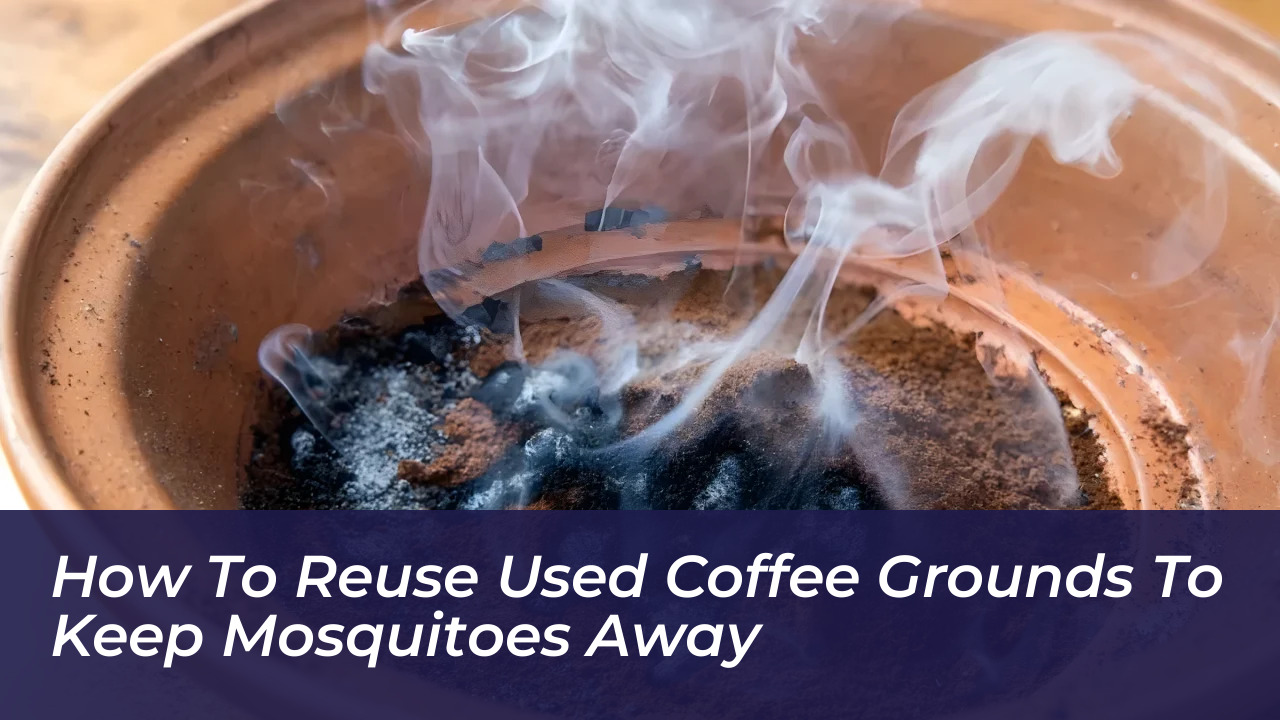

The leftover coffee grounds sitting in your coffee maker do not belong in the trash or down the drain. Beyond fertilizing plants or scrubbing pots, those spent grounds can serve an alternative purpose on patios and balconies. They act as a natural supplementary tool to keep mosquitoes away from your outdoor living spaces.
While clearing outdoor spaces of buzzing pests is a priority during warmer months, understanding the proper technique for drying, preparing, and safely burning coffee grounds is essential. This method relies on generating a slow-burning smoke that makes the immediate space temporarily less pleasant for mosquitoes, offering a chemical-free layer of outdoor defense.
Why Coffee Grounds Must Be Completely Dry Before Use
The grounds freshly removed from a coffee maker retain a considerable amount of moisture. Under those damp conditions, it is virtually impossible to get them to maintain the slow, smoldering burn required to produce repellent smoke.
Storing wet grounds in a container for several days is never a good solution either. Excess moisture combined with organic matter rapidly promotes the growth of mold and produces unpleasant odors. To prepare your grounds effectively, you will need a few basic household items:
- Used coffee grounds
- A large plate or tray
- Paper towels (optional)
- A spoon
Step-by-Step Drying Guide
First, remove the coffee remnants directly from your coffee maker basket. Spread the damp grounds out immediately on a tray in a thin, even layer. If the grounds are exceptionally wet, temporarily place paper towels underneath them to absorb excess liquid.
Leave the tray in a dry, well-ventilated spot out of direct reach of house pets. Stir the grounds once or twice a day to facilitate even drying, and replace the paper towels if they become saturated. Wait until the coffee feels completely loose, crumbly, and free of damp spots. If you notice mold or a foul smell developing during this process, discard the batch entirely rather than attempting to burn it.
How to Prepare a Safe Container for Dry Grounds
Because this method involves active combustion, the next step requires careful attention to fire safety. The goal is to build a small, controlled staging area using a non-combustible base, as aluminum containers alone can get excessively hot and fail to provide adequate heat protection.
Gather your materials before lighting anything:
- Completely dry coffee grounds
- Small metal or heat-resistant container
- Terracotta saucer, mineral surface, or another non-combustible base
- A lighter or matches
Setting Up Your Burn Station Safely
Always choose a location exclusively outdoors, such as an open patio or balcony table. Place your heat-resistant base on a stable, level surface, and set the non-combustible metal container directly on top of it. Add a small amount of your dry coffee grounds into the container.
Ensure that all surrounding areas are clear of dry leaves, loose paper, fabrics, and other flammable materials. Keep the entire setup completely out of reach of children and domestic animals. Always keep a suitable extinguishing tool, such as a bucket of water or a fire extinguisher, on hand, and never leave the container unattended while it remains hot or lit.
How to Burn Coffee Without Causing a Continuous Flame
The primary aim of this practice is to generate a gentle, steady stream of smoke through slow combustion, rather than maintaining a bonfire. Used coffee grounds can sometimes behave irregularly when first exposed to a flame. You must never add alcohol, lighter fluid, or any other flammable accelerants to speed up the process.
Step-by-Step Smoldering Process
Light only a small surface area of the prepared dry coffee using your match or lighter. Remove the heat source immediately once combustion has successfully started. Avoid feeding any visible, sustained flame. If a bright flame appears, safely extinguish the material immediately.
Keep the container outdoors in a well-ventilated area, positioning it far enough away from seating areas to prevent direct, overwhelming exposure to heavy smoke. Monitor the setup continuously throughout the entire process. When you are finished, double-check to ensure that absolutely no active embers remain before handling, cleaning, or disposing of the leftover ash.
Important Safety Note: Never attempt to use this method in indoor, enclosed, or poorly ventilated spaces. Breathing smoke from burned organic materials is never entirely harmless, even when the source product is completely natural.
The Foundation of True Mosquito Control
While smoldering dry coffee grounds can act as a useful supplementary deterrent on a breezy patio, relying on smoke alone will not solve a backyard mosquito problem. True, long-term control begins by addressing the root cause: the places where mosquitoes breed.
To keep mosquitoes away completely, perform a weekly walk-through of your yard to eliminate any standing water. Mosquitoes require stagnant water to complete their reproductive cycle, laying eggs in items as small as discarded bottle caps, clogged gutters, unmaintained birdbaths, and flowerpot saucers.
By pairing diligent standing water elimination with safe, outdoor coffee-ground smoldering techniques, you can enjoy your garden and patio with significantly fewer biting pests interrupting your time outdoors.