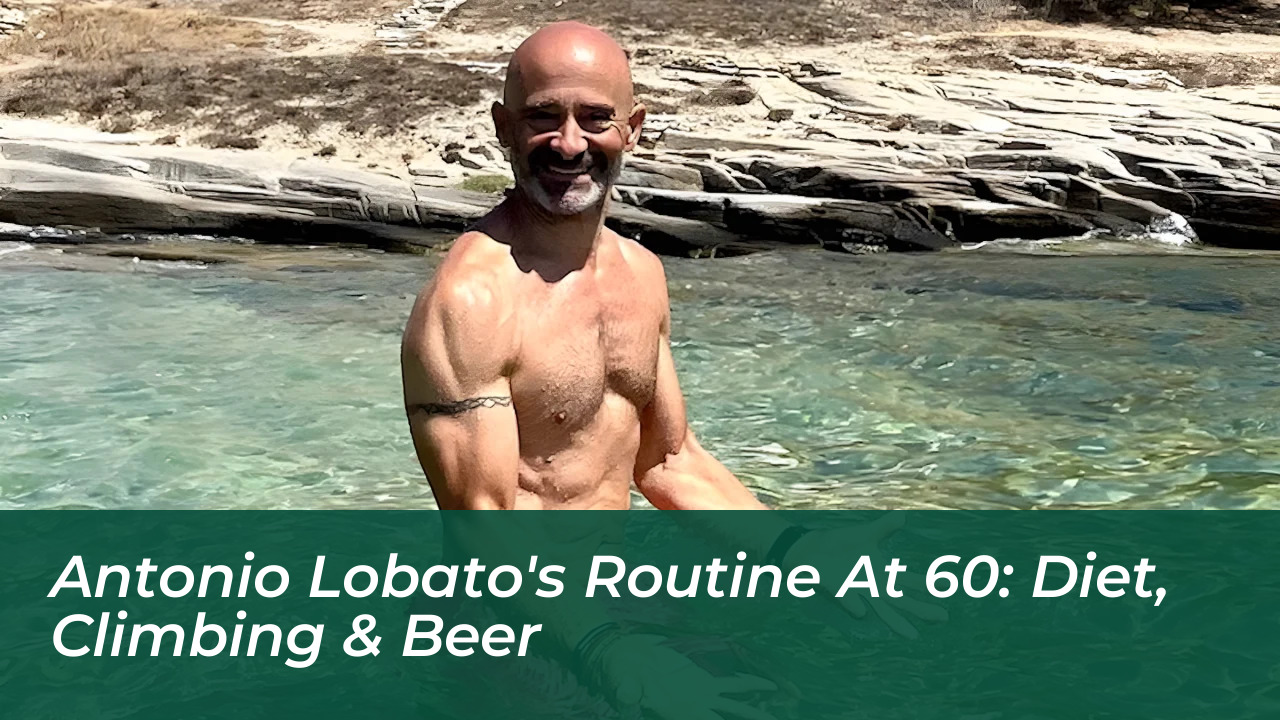

Antonio Lobato has spent decades as the iconic voice of Formula 1 in Spain, narrating high-speed overtakes, strategies, and thrilling finishes for millions of viewers. Today, at 60 years old, the veteran sports journalist maintains an active lifestyle away from the race tracks. Rather than relying on extreme diets, Lobato embraces a simple philosophy: sensible nutrition, consistent physical activity, and plenty of room for life’s simple pleasures.
Summarizing his approach to wellness, Lobato recently shared a glimpse into his daily habits: “I always have a toasted roll with avocado, oil, and tomato for breakfast and after climbing, a beer.” This down-to-earth routine highlights a balanced lifestyle focused on enjoyment, mental focus, and physical endurance.
Rock Climbing: A Passion Beyond the Race Track
Although millions associate him with motorsport broadcasts, Lobato discovered a completely different kind of vertical challenge over six years ago: rock climbing. Since then, it has blossomed into his primary athletic outlet and favorite way to unwind.
The choice is far from random. Rock climbing demands a complex mix of attributes that closely mirror competitive sports. It requires physical strength, technical coordination, balance, deep concentration, and careful risk management. On a racing circuit, split-second decisions dictate the outcome of a Grand Prix. Similarly, on a climbing wall, every movement requires calculating placements, managing weight distribution, and anticipating the next step.
Explaining his philosophy to Hola magazine, Lobato drew a direct parallel between tackling a wall and navigating life itself:
“In life, as in climbing, you depend on your strength, your balance, and your confidence to progress. If you fall, you get back up and try again. If you don’t risk, you don’t improve. If you think you can’t, you’re already defeated before you start.”
To escape the pressure and travel demands of Formula 1 weekends, Lobato frequently heads to natural hotspots like La Pedriza in the Community of Madrid, which he calls his playground when there are no races. He also trains at indoor centers like the Sputnik climbing gym.
The Simple Mediterranean Breakfast Behind His Energy
Lobato’s nutritional philosophy rejects complicated meal plans, severe restrictions, and miracle diets. His standard breakfast is straightforward, revolving around wholesome staples of the traditional Mediterranean diet.
- A small bread roll or barrita: Provides steady morning carbohydrates to fuel physical effort.
- Avocado: Delivers healthy unsaturated fats essential for sustained daily energy.
- Extra virgin olive oil: A cornerstone of Mediterranean nutrition known for its heart-healthy profile.
- Tomato: Adds fresh vegetable nutrients without elaborate preparation.
Nutritional experts note that while Lobato’s breakfast suits his active schedule, nutritional requirements vary based on age, baseline fitness, and personal metabolic needs. However, the true value of his routine lies in how seamlessly it integrates wholesome eating with regular, high-intensity exercise.
Staying Active and Challenging Limits After 60
Conventional wisdom often suggests that physical activity after age 50 should be limited to low-impact exercises like walking, swimming, or light cycling. Antonio Lobato’s routine shatters that stereotype by proving that adopting a demanding, technical discipline later in life is entirely possible.
High-intensity disciplines like rock climbing require proper conditioning, careful adaptation to individual capabilities, and appropriate supervision when scaling natural rock faces. For Lobato, the secret ingredient is enjoyment. When a sport transforms into a passion, maintaining lifelong consistency becomes effortless.
After a rigorous session on the wall, the veteran broadcaster rewards himself with his trademark routine: a cold beer and a protein shake. It is a philosophy that proves getting older does not mean slowing down to a standstill; rather, it means finding new walls to climb, new challenges to master, and reasons to keep moving forward.