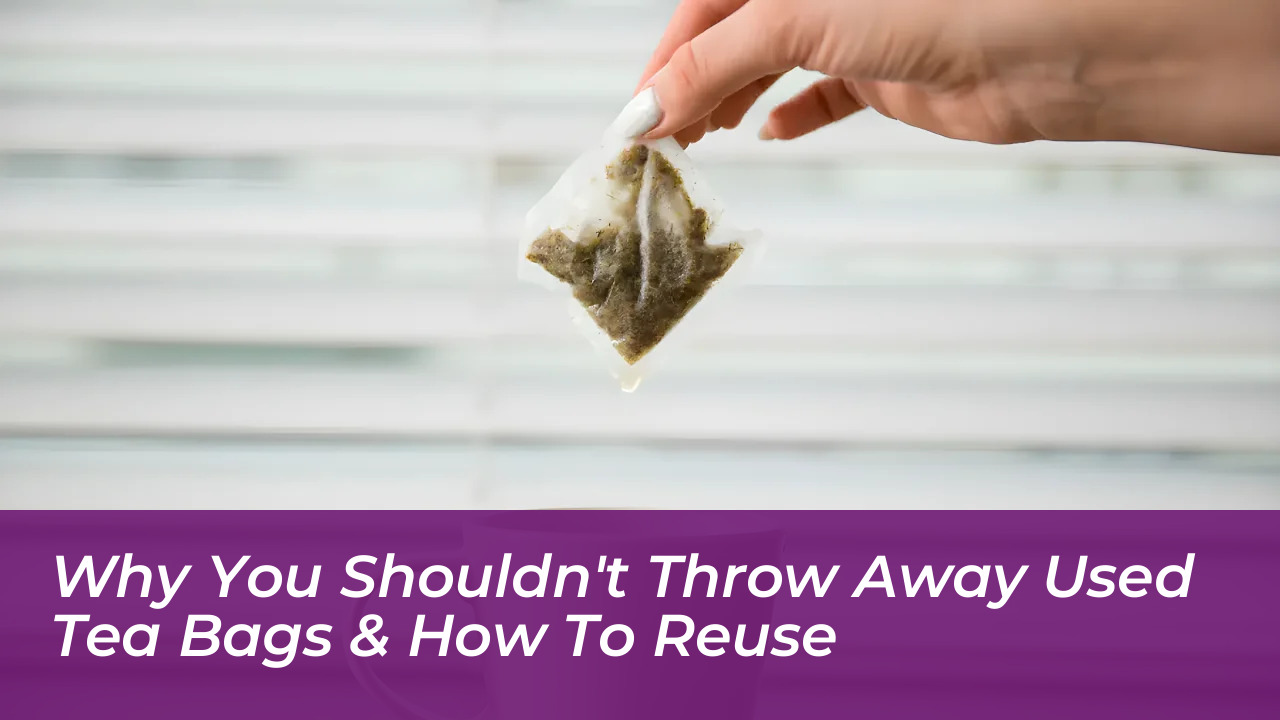

It is common practice to throw away tea bags once they have been steeped, but these small pouches still retain powerful minerals, antioxidants, and organic compounds. At a time when many households across the U.S. are looking for smart ways to cut down on daily expenses and minimize waste, repurposing used tea bags offers an easy, eco-friendly solution. Instead of sending them straight to the trash can, you can harness their natural properties for gardening, house cleaning, personal care, and natural deodorizing.
Why You Should Stop Throwing Away Used Tea Bags
Beyond brewing a single cup of tea, the leftover leaves inside the paper or silk pouches hold onto chemical properties that serve everyday purposes. Because the material is porous and already soaked, it retains an absorption capacity that works wonders around the home. Adopting this habit aligns with mindful and sustainable living, requiring no special equipment or extra spending.
1. Natural Solutions for Your Garden and Plants
Gardeners can find immense value in spent tea bags. Because they degrade naturally, they make a fantastic addition to soil care and composting routines.
- Boost Plant Growth: Used tea bags can help raise nitrogen levels in the soil, promoting healthier green foliage when mixed directly into flower beds or potted plants.
- Repel Pests Naturally: The caffeine content found in many teas acts as a mild, natural deterrent for unwanted garden guests like ants, slugs, and certain rodents.
- Prevent Fungal Infections: Chamomile tea bags possess natural antifungal properties. Steeping used bags for an extended period, transferring the liquid to a spray bottle, and misting plants can help protect them from mold and fungus.
- Aid Seed Germination: Placing seeds inside a damp tea bag keeps them moist while supplying essential early nutrients before you transplant them outside.
- Food for Earthworms: Burying used bags enriches garden soil, creating a steady and welcome food source for beneficial earthworms.
- Lawn Repair: Laying a damp tea bag over patchy or dead spots on your lawn and sprinkling grass seeds right on top helps retain moisture for quicker growth.
2. Natural Cleaning Around the House
Tea leaves contain natural tannins, which are organic chemical compounds that excel at breaking down grease, grime, and dirt without harsh chemical cleaners.
- Grease-Cutting Dish Aid: Soaking heavily soiled dishes and utensils in water alongside used tea bags helps loosen stuck-on food particles.
- Fireplace Cleanup: Placing damp used tea bags directly over cold fireplace ashes prevents fine particles from flying into the air, making cleanup quick and dust-free.
- Streak-Free Glass: Strong tea brewed from used bags can be used to wipe down glass windows and mirrors, leaving them clean without chemical streaks.
3. Odor Neutralization and Deodorizing
Once dried out, used tea bags act as efficient, chemical-free sponges for unpleasant smells lingering in enclosed spaces.
- Footwear and Carpet Refresh: Slide completely dried tea bags inside smelly sneakers or place them on carpets to absorb stale odors before vacuuming.
- Refrigerator and Trash Deodorizer: Tucking a dry tea bag near the trash can or inside the fridge helps neutralize persistent food odors.
- Closets and Drawers: Using fragrant varieties like jasmine, mint, or green tea adds a pleasant, subtle aroma to clothing storage spaces.
4. Personal Care and Beauty Hacks
The natural soothing compounds and antioxidants in tea are gentle enough for skin contact, providing affordable home spa remedies.
- Puffy Eyes and Dark Circles: Let used tea bags cool completely in the refrigerator, then place them over closed eyes for 20 to 30 minutes to reduce swelling and refresh tired eyes.
- Soothe Sunburns and Bug Bites: Applying chilled, damp tea bags directly to minor burns, insect bites, or skin irritations helps lower inflammation and ease itching thanks to natural tannins.
- Oily Hair Rinse: Brewing a final rinse from used tea bags and pouring it over shampooed hair helps eliminate excess buildup and leaves locks feeling fresh.
Important Safety Precautions for Storing Used Tea Bags
Because organic matter degrades quickly when exposed to moisture, you must handle used tea bags carefully to prevent hygiene issues.
- Refrigerate Promptly: Do not leave wet tea bags sitting at room temperature for extended periods, as trapped moisture quickly breeds mold and harmful bacteria. Store them in a sealed container in the fridge if you plan to use them within a day or two.
- Perform the Smell Test: Always inspect your saved tea bags before using them for personal care or cleaning. If they show any signs of discoloration, sour smells, or mold deterioration, discard them immediately.
Frequently Asked Questions
Can I use any type of tea bag for my garden?
Yes, but check the tea bag material first. Modern paper bags compost easily, but some pyramid-style or silky bags contain nylon or plastic mesh. Ensure your bags are 100% biodegradable before burying them in garden soil or compost piles.
How long can I store used tea bags in the refrigerator?
It is best to use or dry out stored tea bags within 24 to 48 hours. Beyond that timeframe, moisture levels can invite mold growth even inside a cold refrigerator.
Do black, green, and herbal teas work equally well?
Not always. Black tea works exceptionally well for cleaning, degreasing, and deodorizing due to its higher tannin content. Green and herbal teas-especially chamomile-are generally preferred for skin care, beauty routines, and gentle plant treatments.
Can I dry out wet tea bags for later use?
Absolutely. Squeeze out excess liquid and lay the used tea bags flat on a plate or paper towel in a well-ventilated area until they are completely dry. Once dried, they make excellent long-term natural deodorizers.
What should I do if my tea bags contain plastic?
If your favorite brand uses non-biodegradable synthetic mesh bags, you should cut open the bags and empty the loose tea leaves into your compost or garden soil, throwing the synthetic pouch directly into the regular trash.