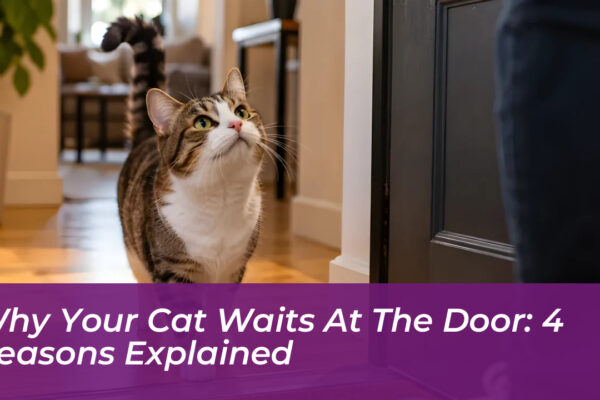

For centuries, cat owners have puzzled over a common household mystery: why do felines often bypass the person who feeds them, choosing instead someone who barely pays them any attention? According to feline behavior specialists, the answer comes down to animal psychology. A cat’s favorite person is the individual who respects their boundaries and allows them to dictate the pace of interaction.
Feline behavior communicator Emiliano Linardi has observed this recurring pattern in households everywhere. While popular culture paints cats as aloof, Linardi confirms that they form deep bonds with specific household members. However, this preference rarely falls on whoever forces constant attention.
What Really Attracts a Cat to a Specific Person?
A cat’s choice of a favorite human follows a distinct internal logic. Rather than responding to overwhelming affection, the connection forms when an animal senses a calm environment. This recognition does not depend on who spends the most hours trying to pet or hold the feline.
Trust builds when a person respects personal space and gives the animal freedom to decide when to approach. Those who constantly chase a cat or force interactions achieve the opposite of what they want. The animal instinctively pulls away from anyone who insists too heavily on physical contact.
Why Respecting Boundaries Trumps Offering Food
While providing meals is an important part of pet care, the person who fills the food bowl does not automatically become the favorite. Linardi highlights that lasting bonds develop with individuals who avoid invading a feline’s physical boundaries.
When humans honor a cat’s subtle behavioral cues, it opens the door for the animal to approach on its own initiative. This freedom of choice provides security. Patience acts as the ultimate catalyst in this dynamic. Without pressure, felines develop trust and begin seeking companionship voluntarily.
Feline Psychology: Seeing Humans as Equals
Veterinarian Manuel Manzano offers a perspective on how cats view their human companions. Unlike dogs, which establish a hierarchical dynamic with their owners, cats view humans as equals rather than authority figures.
“They see us as a big male or female cat, not as an inferior or superior being,” Manzano explains. Because they perceive humans on an equal playing field, intense human behaviors feel overwhelming. The person who tries the least to force contact ends up becoming the chosen companion because they allow the cat to set its own rules.
How Individual Personality Influences Preferences
Every cat possesses a unique temperament that shapes its social preferences. Factors such as age, personality, and past life experiences determine which household members make the feline feel comfortable. Two cats living in the exact same home can react differently to identical displays of affection.
- Young, active felines: Connect best with energetic people who match their play style.
- Calm, adult cats: Gravitate toward serene individuals who provide a quiet environment.
- Rescued or traumatized cats: Require extreme patience, often bonding intensely with the single person who consistently honors their need for distance.
Clear Signs You Are Earning Your Cat’s Trust
Building a secure attachment happens through pressure-free shared moments. Felines show that they trust you through voluntary actions rather than forced compliance. Recognizing these indicators can help you understand your pet’s social circle.
When a cat spontaneously chooses to rest near you without prompting, it indicates real progress in the relationship. Other positive signs include slow blinking, resting in your lap by choice, and engaging in bunting-the affectionate headbutting behavior where they mark you with facial pheromones. Ultimately, understanding that feline affection operates on autonomy ensures a deeper, more harmonious bond built on mutual respect.