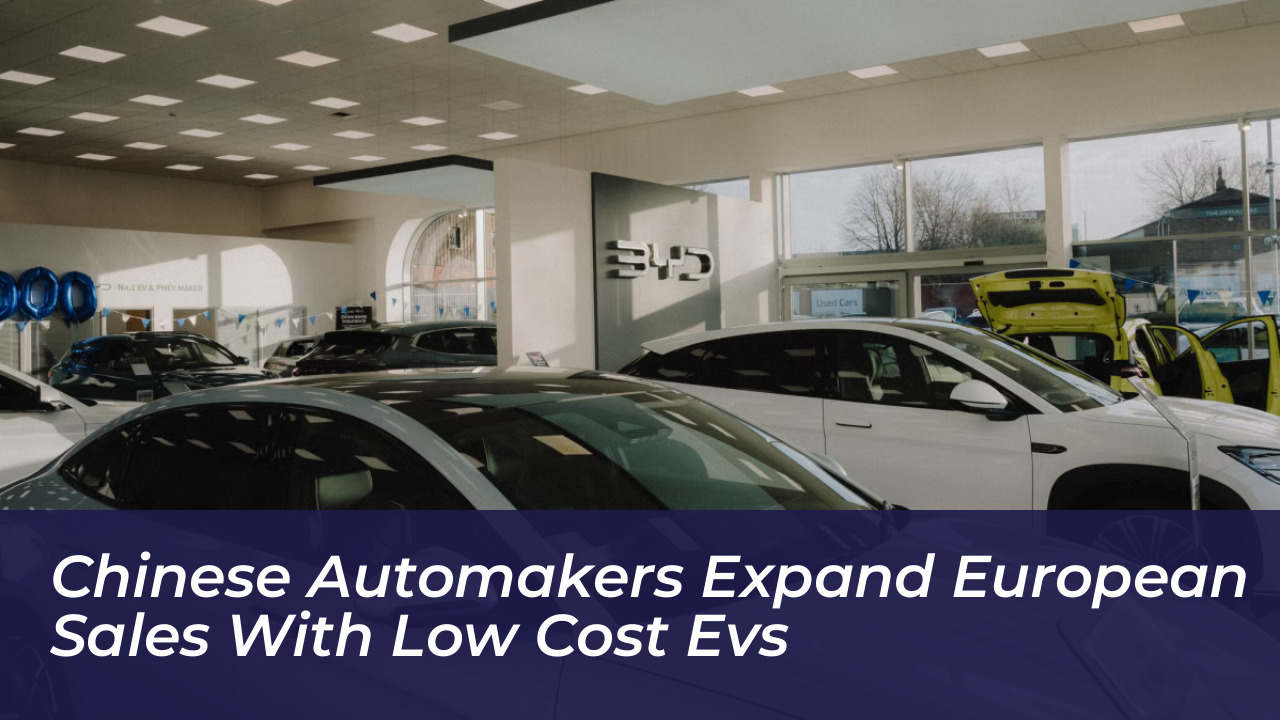

Chinese electric vehicle makers are rapidly expanding across Europe. Major brands like BYD and Xiaomi are targeting consumers who want competitively priced cars. Reports from The New York Times and market research firms show this expansion is heavy in major automotive hubs like Germany-home to legacy manufacturers Volkswagen, BMW, and Mercedes-Benz-where overall demand for battery electric vehicles continues to rise despite broader economic headwinds.
Industry data reveals that Chinese-branded passenger electric vehicles have captured a significant and growing portion of the European market. Market data from sources like Schmidt Automotive Research and the European Automobile Manufacturers’ Association (ACEA) indicate that Chinese automakers have steadily increased their regional market share. This growth persists even as European regulators implement complex trade policies and additional import duties designed to protect domestic manufacturers.
Aggressive Retail Strategies and Local Outlets
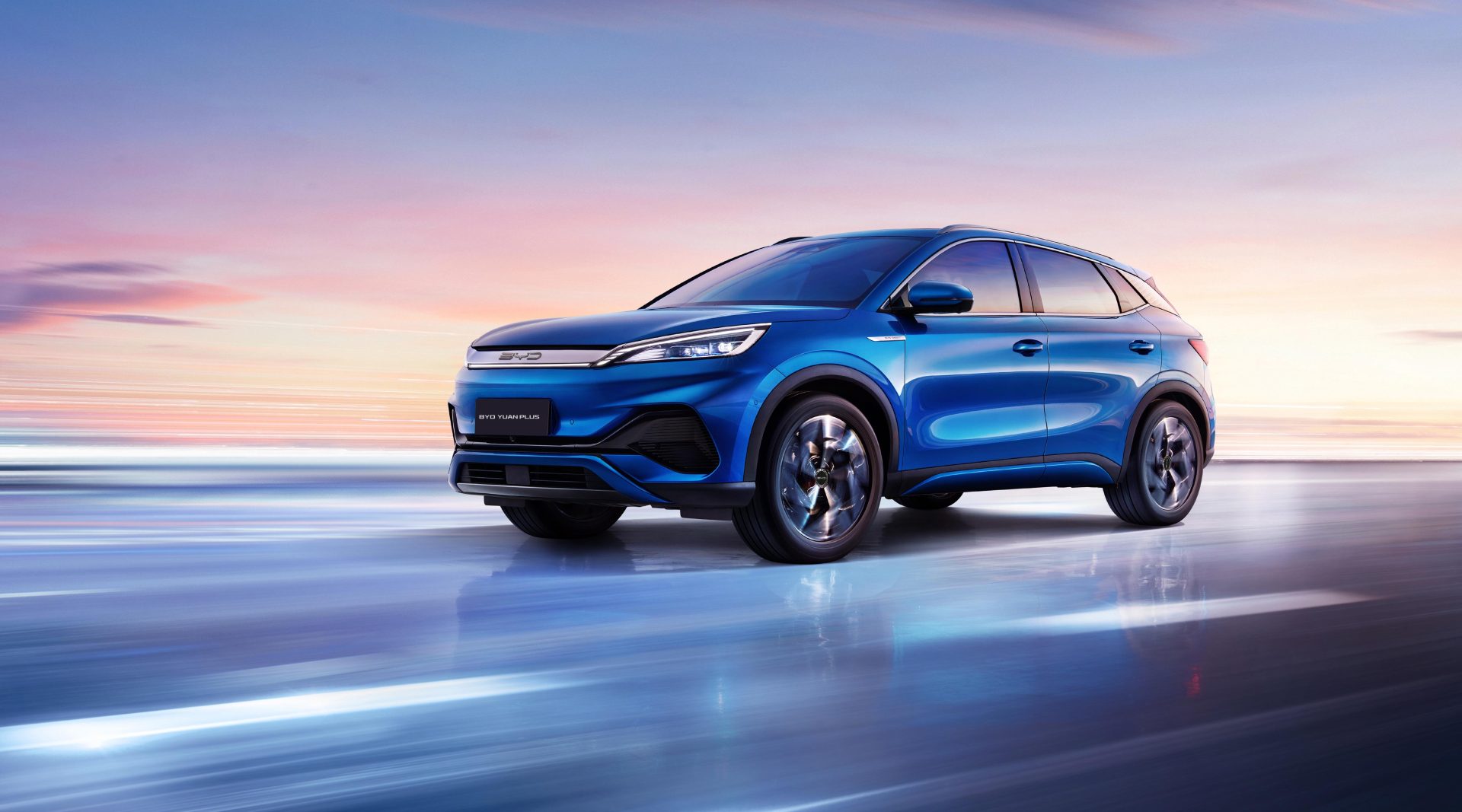
To capture market share directly on the home turf of European legacy brands, Chinese automakers are investing heavily in physical retail infrastructure and localized supply chains. BYD, currently China’s largest electric vehicle maker, has outlined plans to open a dense network of retail outlets in key countries like Germany. The strategy aims to ensure prospective buyers never have to travel more than 20 minutes to visit a showroom and purchase a vehicle.
Similarly, technology giant Xiaomi has chosen Germany as the operational base for its wider European automotive ambitions. This follows strong domestic sales figures that saw the company move hundreds of thousands of units in China. By combining high-tech c**kpit ecosystems, advanced software-defined vehicle (SDV) architectures, and aggressive price points, these brands are shifting consumer perception away from older budget labels toward modern, tech-forward alternatives.
The Price Advantage and Structural Cost Drivers
The primary catalyst behind the surge in Chinese EV sales across Europe is a persistent price gap. Equivalent models from Chinese manufacturers frequently retail at prices 20% to 35% lower than comparable European and South Korean offerings. At the same time, they match them on independent safety ratings, driving range, and digital features.
This pricing flexibility stems from fundamental structural advantages in the Asian supply chain:
- Battery Supply Chain Control: China controls roughly 75% of global battery cell production, with industry giants like CATL and BYD dominating manufacturing output. Because batteries comprise up to 40% of an EV’s total bill of materials, vertical integration keeps input costs exceptionally low.
- In-House Manufacturing: Companies like BYD produce their own electric motors, power semiconductors, and proprietary Blade Batteries in-house, eliminating supplier markups at every tier of production.
- Rapid Development Cycles: While traditional European automakers typically operate on 4-to-7-year model refresh cycles, Chinese manufacturers iterate every 2 to 3 years, quickly integrating advanced over-the-air updates and driver-assistance features.
Regulatory Responses: Tariffs, Minimum Import Prices, and Localisation
In response to the influx of competitively priced imports, the European Commission launched anti-subsidy investigations into Chinese electric vehicles. This inquiry led to provisional and final countervailing duties ranging from 17% to over 35%, applied on top of standard EU import tariffs. For instance, brands under SAIC, such as MG, faced steep total tariff rates, while companies like BYD encountered somewhat lower individual duty adjustments.
Despite these trade barriers, Chinese automakers have adapted through strategic maneuvers rather than retreat. A primary counter-strategy involves direct European manufacturing investments:
- BYD’s Hungarian Plant: BYD established a major manufacturing facility in Szeged, Hungary, targeting an annual capacity of 150,000 vehicles to supply the European market locally and bypass import tariffs entirely.
- Stellantis and Leapmotor Partnerships: Stellantis acquired a significant stake in Leapmotor, utilizing existing European production infrastructure-such as factories in Tychy, Poland-to assemble Chinese-designed EVs within the trade bloc.
- Spanish Production Initiatives: Other major players, including Chery, have advanced plans for joint-venture manufacturing partnerships in Spain to secure localized supply chains.
Additionally, regulatory frameworks exploring Minimum Import Price (MIP) commitments are being reviewed to establish predictable price floors. This ensures that trade relations balance market competition with the long-term competitiveness of Europe’s domestic automotive industry.
Frequently Asked Questions
Why are Chinese EVs priced lower than European models?
The price difference is driven by China’s dominant control over the global battery supply chain, extensive vertical integration among manufacturers like BYD, and high-volume production scale that spreads fixed costs across millions of units.
How have European Union tariffs affected Chinese car sales?
While the additional import duties (ranging from roughly 17% to over 35% depending on the brand) have added cost pressures, they have not halted growth. Many automakers have chosen to absorb a portion of the tariff or accelerate local manufacturing inside Europe to bypass import fees altogether.
Where are Chinese automakers building factories in Europe?
Prominent manufacturing and assembly hubs include BYD’s plant in Szeged, Hungary, Stellantis-backed production facilities in Poland, and emerging partnership projects in Spain.
Are Chinese electric vehicles safe for European roads?
Yes. Major models exported to Europe-such as the BYD Seal, MG4 Electric, and various offerings from other top-tier brands-have achieved maximum 5-star safety ratings in independent Euro NCAP crash testing under the exact same criteria applied to European legacy brands.
What role does the UK play in Chinese EV sales?
The United Kingdom has remained one of the most receptive markets for Chinese automotive brands in Europe. It absorbs high volumes of affordable models like the MG4 and various BYD lines due to high consumer demand and independent trade structures.