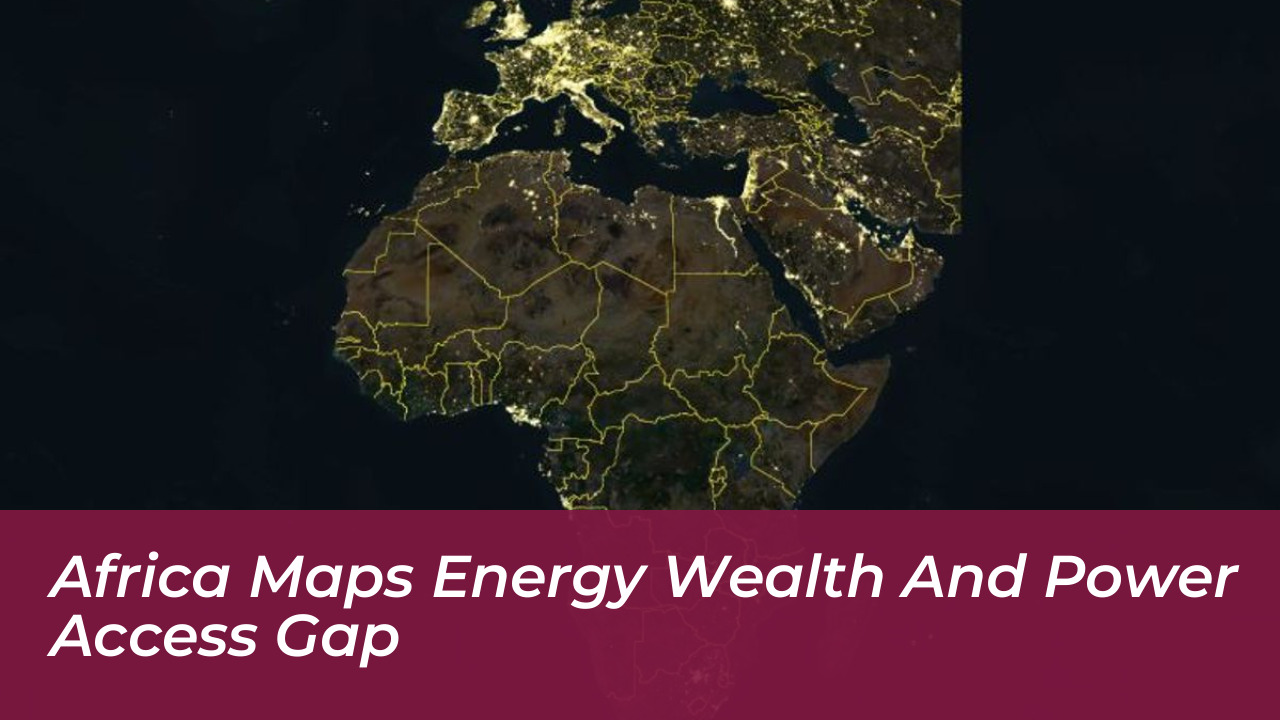

Africa’s energy landscape presents a striking paradox: the continent possesses vast reserves of crude oil, natural gas, and critical minerals essential for the global green transition, yet hundreds of millions of its citizens remain without reliable electricity. As energy ministers, investors, and executives converge in Cape Town for African Energy Week, discussions center heavily on bridging this profound energy access gap while expanding commercial production.
The continent holds approximately 125 billion barrels of proven crude oil reserves, which accounts for roughly 7.2 percent of the global total. Libya and Nigeria dominate these figures, holding nearly 70 percent of the continental reserves with 48.4 billion and 36.9 billion barrels, respectively. Algeria follows in third place with 12.2 billion barrels, while Angola, South Sudan, and Egypt hold significant shares.
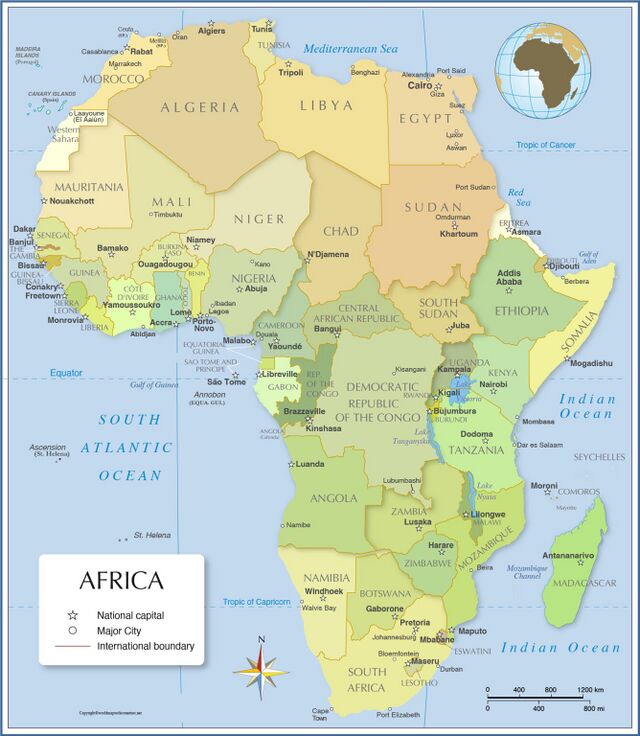
In terms of production, Nigeria stood as Africa’s largest oil producer in 2024, contributing about 23 percent of the continental output. Algeria and Angola closely followed with roughly 17 percent each. Together, these top three producers accounted for 56 percent of Africa’s oil, while the top five producers supplied more than 80 percent. Despite holding the largest reserves, Libya ranked fourth in production due to recurring political disputes and infrastructure blockades involving foreign operators like Italy’s Eni, France’s TotalEnergies, and Spain’s Repsol.
Natural Gas Reserves and Export Potential
Beyond liquid petroleum, Africa held nearly 18 trillion cubic metres of proven natural gas reserves at the end of 2023. Nigeria and Algeria hold about 58 percent of this total. Mozambique follows with 2.84 trillion cubic metres, Egypt with 2.21 trillion, and Libya with 1.51 trillion. While Algeria and Nigeria act as leading exporters, large deposits such as Mozambique’s offshore reserves-discovered in the 2010s-remain largely undeveloped.
The continent is also a cornerstone for the global transition to renewable energy and electric vehicles. In 2025, African nations accounted for 71.2 percent of global cobalt production and 72.4 percent of manganese production. The Democratic Republic of the Congo alone produces nearly 70 percent of the world’s cobalt, though artisanal mining operations often face severe safety challenges. Meanwhile, South Africa and Gabon anchor manganese output, Zimbabwe supplies 9.6 percent of the world’s lithium, and nations like Madagascar, Mozambique, and Tanzania provide essential natural graphite.
The Electricity Access Gap
Despite housing the resources powering global technology, electricity generation and availability vary sharply across the continent. In 2024, Ethiopia and the Democratic Republic of the Congo generated all their electricity from renewable sources, largely through hydropower projects such as Ethiopia’s Grand Ethiopian Renaissance Dam on the Blue Nile. Uganda, Namibia, and Eswatini also sourced more than 96 percent of their power from renewables.
Conversely, countries such as Algeria, Libya, Niger, and Tunisia relied on oil and gas for more than 95 percent of their power generation. Universal access to electricity was reported by only six African nations in 2024: Algeria, Egypt, Mauritius, Morocco, Seychelles, and Tunisia, together housing about 215 million people.
Elsewhere, the power deficit remains acute. In South Sudan, only 5.4 percent of the population had electricity access, compared to 15.6 percent in Malawi and 22.5 percent in the Democratic Republic of the Congo. Nigeria, despite its massive oil and gas wealth and a 62.5 percent access rate, leaves roughly 85 million citizens without power-one of the largest unserved populations globally. Across sub-Saharan Africa, more than 560 million people still lack access to electricity, representing roughly 86 percent of the global total and underscoring the urgent need for targeted energy investments.