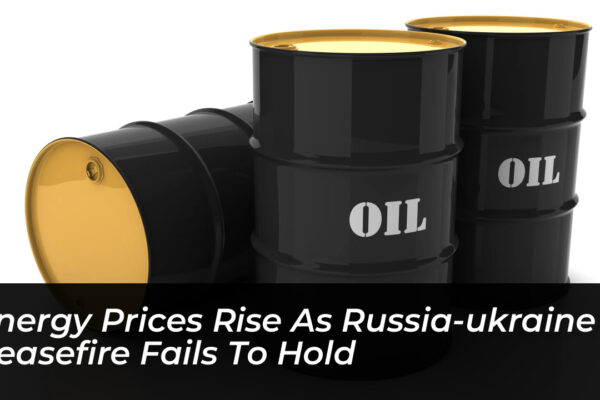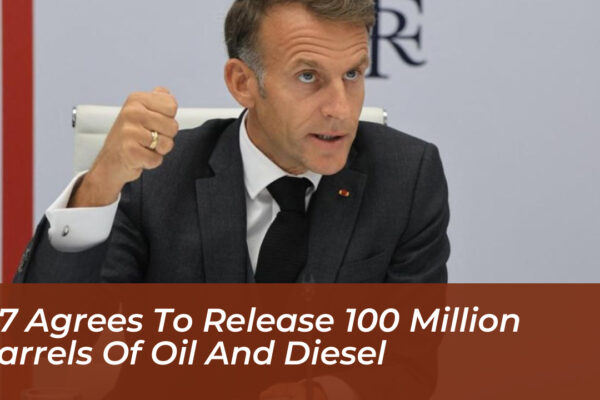

Global diesel markets will remain under severe pressure through the second half of 2027, according to a warning issued by the International Energy Agency (IEA). Released in its October Oil Market Report on Wednesday, October 14, 2026, the report highlights that ongoing disruptions stemming from the Iran war, lower exports, and heavily depleted inventories are limiting fuel availability worldwide.
The IEA stated that replenishing lost fuel inventories is unlikely to begin before the latter half of next year, even as refinery output works to recover. Global diesel exports dropped significantly by 700,000 barrels per day year-on-year in September. Combined losses from Russia and the Middle East reached 1.3 million barrels per day, a decline that other international supply sources could only partially offset.
Record Prices and Inelastic Demand Straining Markets
The prolonged supply crunch has driven wholesale diesel prices to unprecedented levels across major global markets. In mid-September, wholesale prices exceeded $200 per barrel in Singapore and reached approximately $220 per barrel in both Europe and the United States. In the U.S., retail diesel prices hit $6 a gallon for the first time last month.
While higher energy prices have weakened broader oil demand, the IEA noted that diesel demand remains remarkably resilient and price-inelastic. This resilience is supported further by government measures aimed at easing cost burdens for consumers. Counter-seasonal tightening in gasoil markets during the third quarter, alongside heavier-than-normal inventory drops in the preceding three months, deprived global markets of crucial stock cover ahead of peak winter demand.
Geopolitical Friction and Proposed Supply Deals
Amid mounting supply concerns, recent political interventions have sparked international debate. U.S. President Donald Trump announced a deal with Russian counterpart Vladimir Putin for Russia to immediately supply 300,000 metric tons of diesel to the global market to offset price spikes caused by the Iran conflict. However, the agreement faced immediate bipartisan condemnation in the United States and pushback from European leaders.
Speaking at International Monetary Fund meetings in Bangkok, European Commissioner for the Economy and Productivity Valdis Dombrovskis cautioned against easing sanctions on Russia. He noted that the proposed volumes would lack macroeconomic significance and questioned whether Russia could successfully deliver them. Italian Prime Minister Giorgia Meloni similarly warned that the arrangement contradicts diplomatic efforts regarding Ukraine.
Fragile Recovery and Regional Threats
The IEA also highlighted broader market impacts, forecasting that overall oil demand will fall by an average of 2.6 million barrels per day in 2026, with diesel accounting for 25% of that drop. Total oil supply is projected to post an average annual decline of 5.8 million barrels per day this year before reversing to rise by 7.7 million barrels per day in 2027.
Despite projected supply recovery avenues, the agency warned that renewed attacks in the Gulf threaten stability. Recent strikes targeting Saudi infrastructure-including an administrative building belonging to Saudi Aramco-pose continuous risks to production gains made by OPEC+ members in September. This leaves the global energy recovery vulnerable to further escalation.