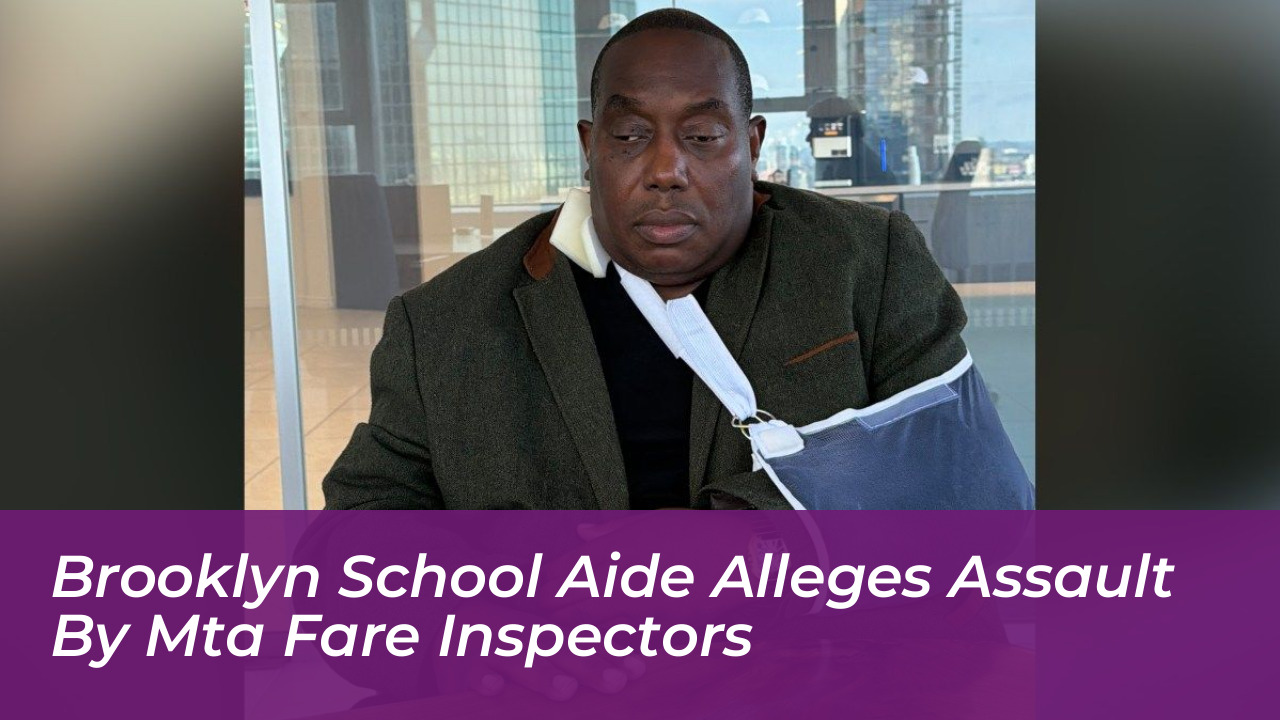

A routine morning commute turned into a violent confrontation in Brooklyn, leaving a 53-year-old public school aide injured, unable to work, and preparing a lawsuit against the Metropolitan Transportation Authority (MTA). Kyle Taylor, who serves as a dean and aide at Mott Hall Bridges Academy, claims he was physically assaulted by members of the transit agency’s fare enforcement unit following a dispute over a bus transfer.
The incident unfolded around 6:40 a.m. on October 6, near Pitkin and Rockaway avenues in Brownsville. According to Taylor, he had boarded a B15 bus and paid his fare using a debit card before transferring to a B14 bus, his regular route to work. After exiting the second bus, Taylor was intercepted by members of the MTA’s Evasion and Graffiti Lawlessness Eradication (EAGLE) team, who questioned whether he had paid his fare and demanded identification.
The Confrontation and Injuries
Taylor explained to the inspectors that his initial payment was made electronically via a transit-linked debit card. However, friction arose over proof of transfer. Surveillance footage from a nearby storefront, obtained and shared by Taylor’s attorney Benjamin Pinczewski, captures the escalation of the encounter.
The video appears to show EAGLE team members grabbing Taylor, pinning him against the side of the bus, slamming him into a bus shelter, and forcing him to the ground. The physical struggle continued until an NYPD officer arrived at the scene to intervene. Taylor stated that he sat on a shelter bench afterward and lost consciousness for approximately three minutes before being transported by ambulance to a hospital.
Medical evaluations revealed injuries to his back, neck, shoulder, arm, and elbow. Taylor reported severe physical and psychological distress following the incident.
“I’m in pain. I can’t sleep at night,” Taylor said. “Every time I see someone that’s wearing a badge, it’s disturbing.”
Contradictory Accounts and Legal Action
An internal NYPD complaint summary filed by an EAGLE officer presents a different version of events, alleging that Taylor “fell out of the bus” and refused medical attention. This narrative is directly contradicted by the surveillance video footage, which shows him being brought to the ground by inspectors and subsequently removed from the scene via ambulance.
Pinczewski confirmed that Taylor is moving forward with plans to sue the MTA. Representatives for the transit agency have declined to comment on the matter, citing pending litigation.
Broader Context of MTA Fare Enforcement
The altercation highlights escalating tensions surrounding the MTA’s aggressive crackdown on fare evasion across New York City transit lines. Transit officials estimate that nearly half of all bus riders skip fares, costing the agency upwards of $300 million annually. Following the elimination of MetroCards in June, the MTA expanded the use of OMNY verification devices and deployed EAGLE teams to ramp up enforcement.
Civil rights advocates and community leaders have strongly condemned the tactics used by the enforcement units. The Rev. Kevin McCall criticized the increased checks, equating the enforcement measures to a “new level of legal stop and frisk.” Data from the NYPD indicates that individuals of color account for a vast majority of subway fare evasion summonses and arrests, fueling ongoing accusations of systemic bias in transit policing.
Calls for Reform and Accountability
In the wake of the incident, Taylor, his legal counsel, and community activists are demanding immediate structural changes within the MTA’s enforcement wing. Their key demands include:
- The termination of the specific EAGLE team members involved in the altercation.
- Mandatory body-worn cameras for all MTA fare inspectors, mirroring requirements for NYPD officers.
- An independent state-level investigation into the conduct and oversight of the EAGLE enforcement unit.
- A comprehensive review of transit enforcement policies to prevent discriminatory profiling and excessive use of force.
As legal preparations continue, transit advocates warn that aggressive enforcement strategies without proper oversight risk further alienating the vulnerable communities that rely most heavily on the city’s bus network to reach their jobs and schools.