
Propagating roses from cuttings in mid-autumn allows gardeners to replicate favorite varieties without buying new bushes. According to professional horticultural guidelines, late autumn remains an active window for taking semi-ripe and hardwood cuttings if the stem base is firm and the cutting measures between 4 and 6 inches (10 to 15 centimeters) long. Many growers assume that successful rose propagation requires specialized laboratory gear or expensive commercial supplies. By working directly with the plant’s seasonal dormancy cycle, however, rose propagation can be achieved using basic garden tools, clean hand tools, and a sharp eye for branch maturity.
1. Select and Prepare the Right Cane
The success of autumn cutting propagation begins long before placing anything into the soil. While a branch loaded with late blooms looks appealing, tender flowering growth is poorly suited for winter rooting. Instead, select strong, pest-free stems that grew during the current season.
Professional advice from the Royal Horticultural Society (RHS) emphasizes taking semi-ripe cuttings from the current year’s growth where the base has hardened while the upper stem remains flexible. Cutting types shift across the calendar: softwoods root in spring, semi-ripe stems take in late summer and early autumn, while mature hardwood stems dominate late autumn and winter propagation.
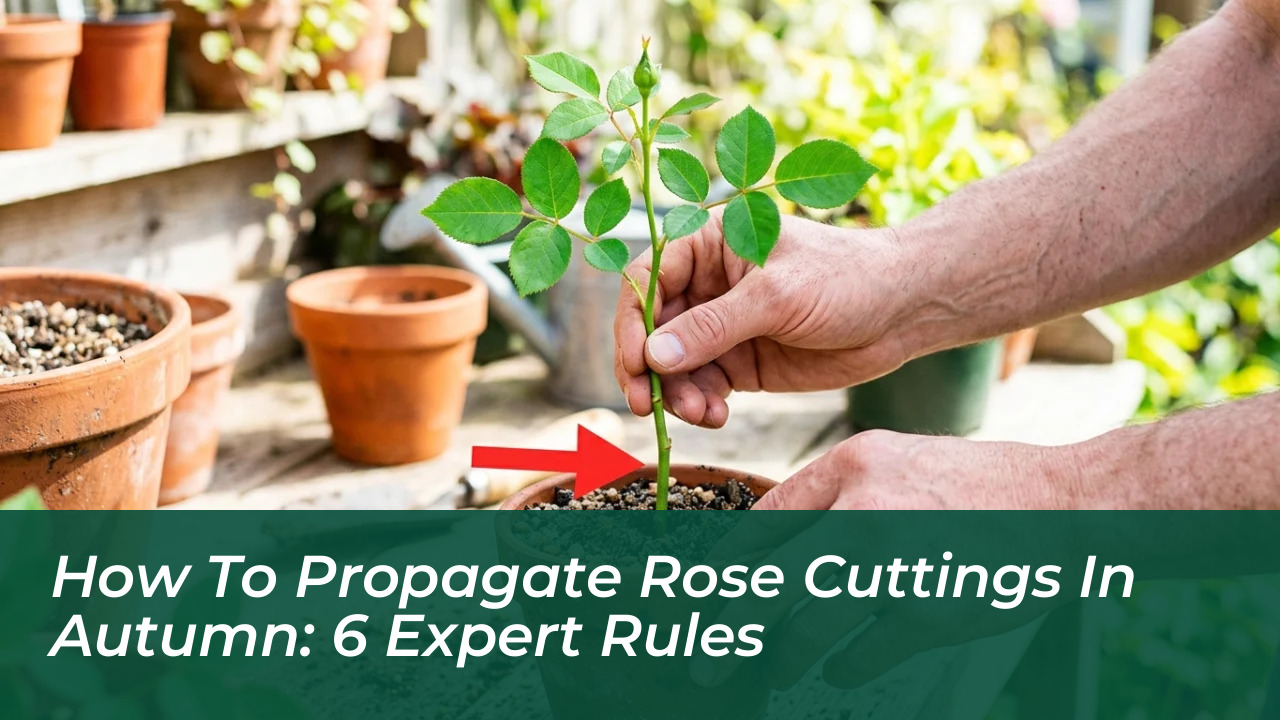
The primary rule when gathering plant material is avoiding moisture loss: cut stems should never sit out on garden surfaces and must be processed into propagation pots immediately. When preparing the stem, follow standard horticultural steps to prepare the tissue for cell division:
- Use sharp, sanitized bypass pruners to take a cutting measuring 4 to 6 inches (10 to 15 cm) in length.
- Make the lower cut angled cleanly directly below a leaf node.
- Strip away the lower leaves completely so bare wood sits inside the rooting substrate.
- Trim off any lingering buds or spent blooms to direct energy strictly toward root formation.
2. Utilize a 50/50 Substrate and Manage Moisture
One of the most persistent misconceptions among beginner growers is placing delicate cuttings into rich, heavy potting compost. Stems trying to generate roots do not need high levels of fertilizer; they require constant oxygen exchange and free drainage to stop bacteria from taking hold.
The standard rooting mixture recommended by the RHS consists of 50 percent free-draining, peat-free potting compost and 50 percent horticultural grit or sand. This balance maintains moisture around the stem base while letting excess water drain away instantly, eliminating root rot risks.
| Factor | Requirement |
|---|---|
| Substrate Mix | 50% peat-free compost, 50% coarse horticultural grit |
| Cutting Size | 4 to 6 inches (10 to 15 cm), cut below node |
| Light Exposure | Bright, sheltered spot out of direct scorching sunlight |
| Moisture Level | Consistently moist; never waterlogged or standing in water |
| Rooting Timeline | Overwinters quietly; potted on late spring to summer |
Overwatering is the fastest way to kill dormant cuttings. The substrate must stay humid and damp, never saturated into a muddy slurry. Always check the top layer of coarse grit before watering, offering moisture only when the top begins to dry out.
3. Protect Cuttings from Freezing Extremes
Autumn propagation is an exercise in winter patience. Semi-ripe cuttings need bright conditions protected from driving winds and direct scorching sun, while hardy varieties can sit quietly in a cold frame through cold snaps.
Stems generate delicate root systems over the winter months, meaning individual plants will not be ready for repotting until late the following spring or summer. Because individual stem viability varies, always insert multiple cuttings around the edge of a single container to maximize the odds of success.
4. Master Alternative Methods Like Air Layering
Air layering offers an alternative route by keeping the cutting attached to the parent bush while roots develop. Choose a healthy stem, remove the leaves from a small central section, and make an upward diagonal incision roughly 1 inch (2.5 cm) long.
Wrap the wounded cane with damp sphagnum moss or soil, seal the pocket securely using clear plastic sheeting, and tie both ends firmly to retain humidity. Once an established bundle of roots shows through the clear plastic, sever the stem directly below the root ball and transfer the newly rooted plant into a potting container.
5. Choose Varieties Suited for Own-Root Growth
Not all rose cultivars respond to cutting propagation in the same manner. Bush roses, vigorous groundcovers, rambling varieties, and historic garden groups root readily on their own root systems.
Classic cultivars-including Alba, Centifolia, Damask, Gallica, and Moss roses-show strong natural vigor when propagated from stems. Modern hybrid teas and floribunda selections often show mixed rooting performance and are commercially grown by budding onto specialized rootstocks. Growing modern hybrids from cuttings produces own-root specimens, which may grow with different vigor or form compared to their commercially grafted parent bushes.
6. Maintain Weekly Monitoring and Winter Care
Try taking four to five cuttings from your hardiest garden roses this autumn to see which varieties establish fastest in your microclimate. Monitor your cold frame weekly to regulate moisture and guard against stagnant air pockets throughout the cold months.
Ensure your cuttings stay in a frost-protected cold frame or sheltered spot all winter. Never pull or tug on the stems during early spring, as fragile root structures are still developing beneath the soil surface.
Share your experiences with us and tell us which classic rose varieties have rooted best in your garden this season!
Frequently Asked Questions
When is the best time to take rose cuttings in autumn?
Mid-to-late autumn is ideal when plants transition into dormancy. Focus on taking semi-ripe or early hardwood stems once active flowering has ceased and the base of the cane has become firm.
Do I need to use rooting hormone powder?
While not strictly mandatory, dipping the lower 1 to 2 inches of your stem in rooting hormone increases cell division speed and boosts overall rooting success rates by up to 20 percent.
Why are my rose cuttings turning black or rotting?
Black or rotting stems usually indicate overwatering or heavy, poorly draining compost. Always use a 50/50 mix of peat-free compost and horticultural grit, watering only when the surface layer feels dry.
How long does it take for autumn rose cuttings to root?
Autumn cuttings typically overwinter quietly, developing delicate root systems over a period of 8 to 12 weeks, and should not be transplanted or repotted until late the following spring or summer.
Can all rose varieties be grown successfully from cuttings?
Historic garden roses, climbers, ramblers, and shrub roses root very easily on their own roots. Modern hybrid teas and floribundas can be more challenging and frequently require specialized rootstock grafting for commercial vigor.