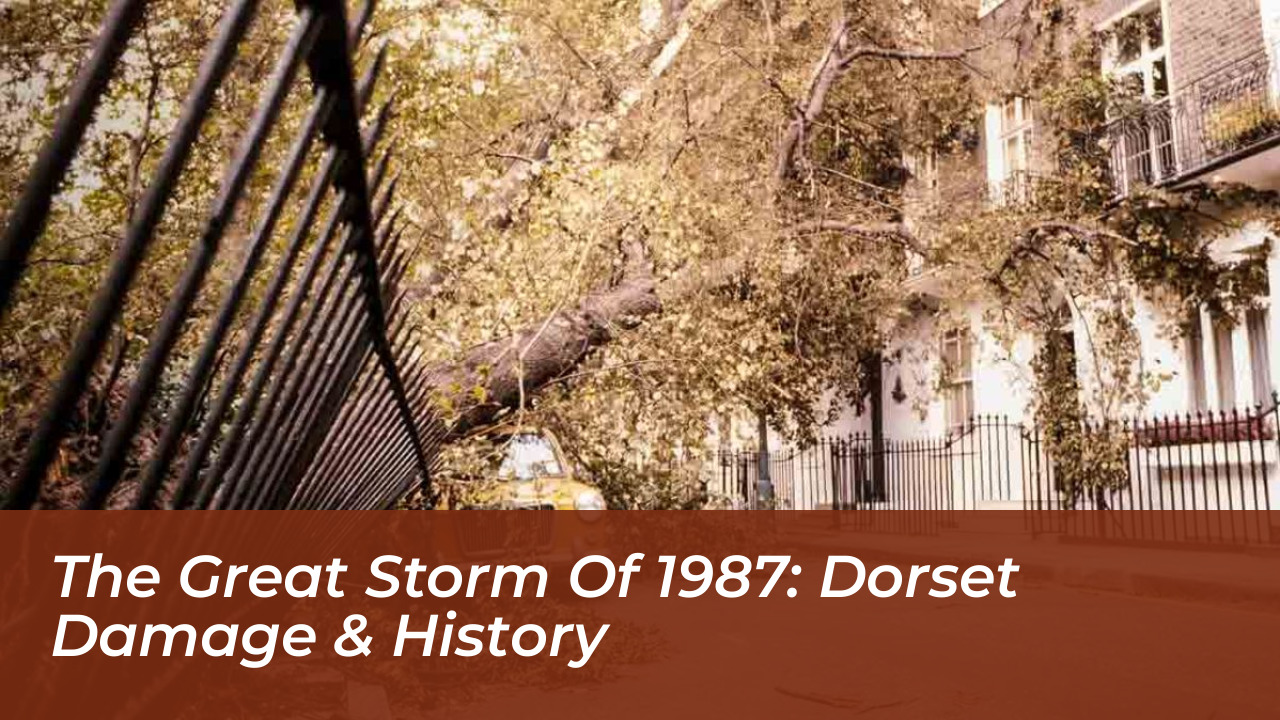

Photographs and archival documentation preserve the profound impact of the Great Storm of 1987. This severe weather event struck southern and eastern England on the night of October 16, 1987. Catching residents entirely off guard following a reassuring weather forecast, the unprecedented system left a trail of widespread destruction, particularly across Dorset, where it remains etched in the historical record.
Retrospective accounts published by regional outlets like the Dorset Echo revisit the dramatic night nearly four decades later. They highlight preserved imagery that documents overturned caravans, flattened acres of woodland, and roofs violently stripped from residential buildings. The storm’s terrifying scale and the immediate difficulties faced by residents are also examined through historical broadcasts and television programs, such as TV Guide UK’s listing of 999 Special: The Great Storm of 1987, which combines amateur recordings and news footage to chronicle the chaos.
Meteorological Context and the Unforeseen Strike
Days before the disaster, weather prediction models began yielding erratic forecasts. Instead of tracking harmlessly out into the English Channel-as famously and infamously reassured by BBC forecaster Michael Fish during his evening broadcast-the rapidly deepening depression from the Bay of Biscay cut directly across the south of the country.
By midnight on October 16, central pressure plummeted to 953 mb over the western English Channel, triggering Force 11 wind warnings by 1:35 a.m. Parts of the south coast experienced winds gusting up to 70 knots continuously for three to four hours. Coupled with unusual thermal shifts-such as temperatures in Farnborough jumping from 8.5°C to 17.6°C in just 20 minutes-the region faced conditions experts calculated would only occur once every 200 years.
Human Toll and Devastation in Dorset
While the storm caused millions of pounds in property damage across the UK, its human cost in Dorset was deeply tragic. Two local firefighters lost their lives while responding to an emergency call in Highcliffe. An 80-foot-tall, 20-ton oak tree crashed directly onto their fire engine, crushing the vehicle and trapping them inside, while four of their colleagues managed to escape.
Across the wider county, infrastructure buckled under the pressure. Power lines were downed, leaving families isolated without electricity. Roads were blocked by millions of fallen trees, and historic structures sustained severe damage. In Dorchester, the pinnacles of St. Peter’s Church were dislodged by the ferocious gales, prompting emergency measures by local clergy to secure the remaining stonework before it could fall into the High Street.
Legacy and Improvements in Forecasting
Referred to frequently as a meteorological “weather bomb,” the 1987 storm fundamentally changed how severe weather is analyzed and predicted. The event prompted meteorological agencies, including the Met Office, to conduct internal inquiries and significantly upgrade their observation networks. Improvements included gathering higher-quality oceanic data from satellites, buoys, and ships, as well as refining computer forecasting models to better identify localized phenomena like the “sting jet.”
Today, the Great Storm of 1987 serves as a vital benchmark in British meteorological history. For the residents of Dorset and southern England who lived through the terrifying nocturnal onslaught, the memories of chainsaws buzzing through daylight hours and structural devastation remain vivid reminders of nature’s raw unpredictability.
Frequently Asked Questions
When did the Great Storm of 1987 strike Dorset?
The Great Storm struck southern England and Dorset overnight between October 15 and October 16, 1987.
How strong were the winds during the 1987 storm?
Coastal areas in southern England experienced sustained winds of Force 11, with gusts reaching up to 100 mph (around 87 to 100 knots) in exposed locations.
Why did the weather forecast fail to predict the storm?
Computer prediction models shifted unexpectedly just hours before the event, tracking the Bay of Biscay depression directly across southern England instead of harmlessly out into the English Channel.
How many people died during the Great Storm of 1987?
The storm claimed a total of 22 lives across the UK and France, including two firefighters in Dorset who were killed when a large oak tree crushed their fire engine.
What long-term changes resulted from the Great Storm?
The storm prompted major improvements in meteorological monitoring. These included enhanced satellite and oceanic observation networks, better storm-tracking computer models, and the identification of weather phenomena like the sting jet.