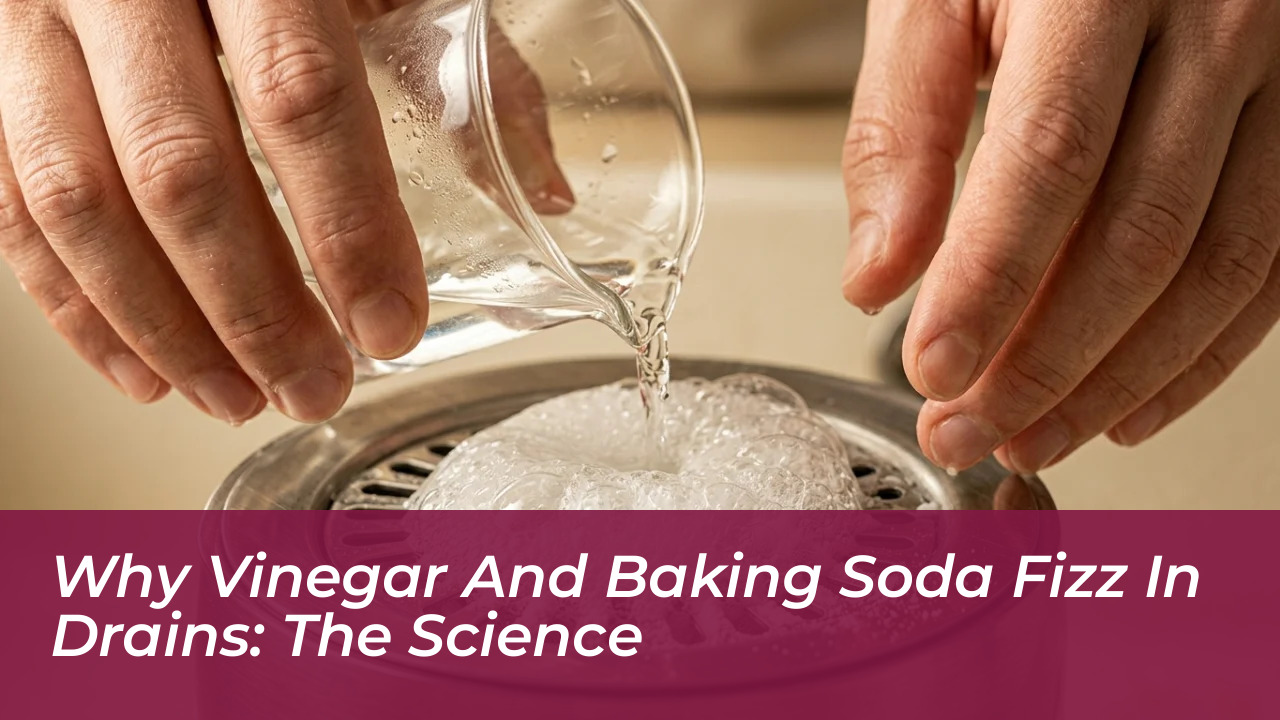

The violent, bubbling fizz that occurs when you pour vinegar and bicarbonate of soda down a plug hole is a familiar sight in homes across the UK. Often celebrated as a miracle cure for completely blocked pipes, this household pairing actually serves a very specific purpose. Understanding why the reaction happens and what it can realistically achieve helps homeowners maintain their plumbing without resorting to harsh commercial chemicals.
Slow-draining water and sour odours from kitchen and bathroom plug holes are common household irritations. Over time, residue from cooking grease, soap scum, and everyday bathroom products builds up along the inner linings of waste pipes. This accumulation narrows the passage and creates a breeding ground for unpleasant smells. Official guidance from environmental bodies highlights the kitchen cupboard combination of baking soda and vinegar as an effective, non-toxic routine maintenance solution.
The Science Behind the Reaction: What Happens Inside the Pipe
The bubbling action inside the waste pipe is an -base chemical reaction. Bicarbonate of soda acts as an alkaline substance capable of breaking down surface grime, whilst distilled white vinegar contains acetic . When the two elements meet, they rapidly neutralise each other, producing carbon dioxide gas that generates vigorous effervescence.
The effervescent reaction creates mechanical bubbling that can help loosen accumulated surface residue from pipe linings, though it will not melt away dense obstructions. This foaming process produces a mild mechanical scouring effect against the inner walls of the plumbing, helping to dislodge loose film and particles before they harden into a severe blockage.
What the Fizz Can and Cannot Do
Distinguishing between ongoing maintenance and emergency plumbing issues is vital for setting realistic expectations. The reaction produces carbon dioxide gas and sodium acetate, leaving behind a mild liquid solution. While great for maintenance, it has strict limitations.
- Deodorising: Effectively neutralises sour sewer odours and musty smells in kitchen and bathroom lines.
- Surface Film Removal: Lifts fresh grease film and light soap scum off inner pipe walls.
- Routine Upkeep: Acts as a safe weekly preventive rinse for slow-moving, healthy drains.
- Solid Blockages: Cannot dissolve dense hair plugs, hardened fat walls, or heavy sanitary obstructions.
For a severe solid blockage or standing water, targeted mechanical unblocking methods-such as a drain snake-or professional diagnosis are required.
How to Clean Drains Using Bicarbonate of Soda and White Vinegar
Carrying out this procedure on a regular basis keeps waste pipes clear of everyday scum without relying on caustic supermarket drain gels. Follow these exact ratios and steps for routine maintenance:
- ¼ cup of bicarbonate of soda
- 1 cup of distilled white vinegar
- 6 cups of boiling or hot water
First, pour the bicarbonate of soda directly into the plug hole opening, pushing it past any stoppers. Follow immediately with the distilled white vinegar. Cover the drain opening with a plug or cloth where possible to trap the fizzing reaction inside the pipe, forcing the bubbling action downward. Allow the mixture to sit undisturbed for 10 to 15 minutes. Finally, heat six cups of water and pour it directly down the drain in a steady stream to flush away loosened residue.
Essential Safety Precautions and Pipe Care
While natural, this method requires a degree of care regarding domestic plumbing fixtures. Boiling water can soften or warp certain plastic waste pipes, modern push-fit joins, and rubber trap seals found under sinks. If you are unsure of your pipework material, substitute boiling water with very hot tap water to safeguard delicate seals from thermal shock.
Crucially, never combine this natural cleaning mixture with bleach, commercial chemical drain cleaners, or store-bought unblockers. Mixing household cleaning agents can produce hazardous fumes and unexpected chemical reactions.
Consistent, preventative cleaning before water stops draining entirely remains the most reliable strategy for trouble-free plumbing. Regular upkeep prevents standing water headaches before serious obstructions develop.
Frequently Asked Questions
Does the baking soda and vinegar reaction actually clear clogs?
No. The reaction generates carbon dioxide gas and sodium acetate, which creates a light fizzing motion. While this mechanical bubbling helps loosen surface film and light grease, it lacks the sustained force or dissolving chemistry needed to clear a solid clog.
Can I mix baking soda and vinegar with commercial bleach?
Never mix cleaning products. Combining acids or natural mixtures with bleach can trigger dangerous, toxic chemical fumes that pose serious health risks.
Is boiling water safe for all types of plumbing pipes?
Not always. Boiling water straight from the kettle can warp older PVC pipes, soften modern push-fit plastic joints, and degrade rubber seals. If you have older or delicate plumbing, use very hot tap water instead.
How often should I use this method for drain maintenance?
Using this natural flush once a week or bi-weekly serves as an excellent preventative measure to keep grease and soap scum from accumulating in otherwise healthy drains.
What should I do if my drain is completely blocked?
If water is standing in the sink or backing up entirely, pantry remedies will not work. You should use a mechanical drain snake or contact a licensed professional plumber to clear the line.