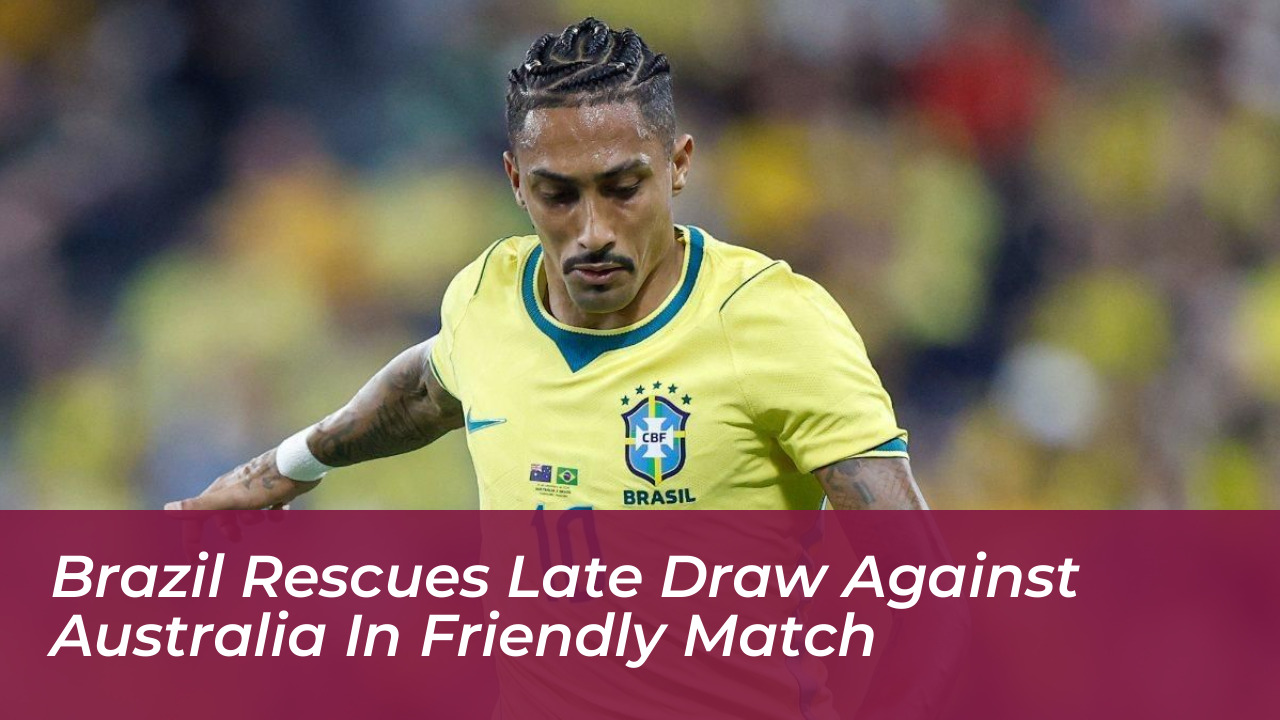
The international football fixture between Brazil and Australia at Queensland Country Bank Stadium in Townsville delivered high drama, tactical experimentation, and a breathtaking display of individual brilliance. Played on September 25, 2026, the match served as the opening fixture of a two-game series in Queensland, marking a crucial post-World Cup rebuild phase for both national teams. Under the guidance of head coach Carlo Ancelotti, the five-star Seleção traveled to Australia with a star-studded lineup featuring Raphinha, Vinícius Júnior, and Endrick. However, Tony Popovic orchestrated a disciplined, high-energy tactical setup that pushed the visitors to the absolute brink. A stunning free-kick from Nestory Irankunda put the hosts ahead, only for Bournemouth forward Rayan to salvage a 1-1 draw for Brazil in the 95th minute.
- Pre-Match Context and Structural Setups
- Carlo Ancelotti and Brazil’s Post-World Cup Rebuild
- Tony Popovic and Australia’s Defensive Identity
- Starting Lineups and Tactical Formations
- Starting XI Breakdown
- Table of Starting Formations
- First Half: Tactical Chess Match and Pitch Challenges
- Physical Tempo and Pitch Conditions
- Early Warnings and Defensive Resilience
- The Disallowed Goal and VAR Controversy
- Second Half: Irankunda’s World-Class Breakthrough
- Missed Opportunities by the Seleção
- The Stunning Free-Kick Goal
- Brazil’s Desperate Siege and Stoppage-Time Equalizer
- Tony Popovic’s Ultra-Defensive Fortress
- Rayan’s 95th-Minute Equalizer
- Post-Match Reactions and Strategic Implications
- Player and Coach Perspectives
- Key Takeaways for Future Fixtures
- Frequently Asked Questions
- What was the final score of the Brazil vs Australia match?
- Who scored Australia’s goal against Brazil?
- Where was the match played?
- Why was Brazil’s first-half goal disallowed?
Pre-Match Context and Structural Setups
Carlo Ancelotti and Brazil’s Post-World Cup Rebuild
International friendlies during September windows often serve as testing grounds for emerging talent and tactical adjustments. For Brazil, the appointment of Carlo Ancelotti brought immense tactical rigor and a mandate to modernize their attacking combinations following a disappointing 2026 World Cup campaign. The Italian manager deployed an aggressive formation, utilizing Barcelona winger Raphinha in an unfamiliar central attacking midfield role. This positioning allowed Raphinha to dictate play behind a dynamic front line featuring Estêvão, Vinícius Júnior, and Endrick.
Ancelotti aimed to eliminate the predictable spacing that plagued the South American giants in major tournaments. By introducing fluid positional rotations, he hoped to unlock deep-lying defensive blocks. Yet, implementing these complex tactical philosophies requires time, and early-cycle friction was immediately visible on the pitch.
Tony Popovic and Australia’s Defensive Identity
Australia entered the fixture aiming to establish a resilient defensive identity under Tony Popovic. Operating in a structured 3-4-2-1 formation, the Socceroos focused on maintaining compact lines, utilizing wing-backs to stretch the pitch, and relying on the blistering pace of Nestory Irankunda and Tete Yengi in transition. Playing in Townsville for the first time in history, the home side enjoyed roaring support from a sold-out crowd that created a hostile environment for the visiting Seleção.
Popovic demanded total defensive accountability from his midfielders and forwards. When out of possession, the team shifted into a rigid low block that cut off central passing lanes. This disciplined shape forced Brazil into peripheral areas, nullifying much of their individual flair during the opening exchanges.
Starting Lineups and Tactical Formations
Starting XI Breakdown
The team sheets reflected two distinct philosophies. Australia selected Patrick Beach in goal, protected by a resolute defensive trio of Alessandro Circati, Harry Souttar, and teenager Lucas Herringer. Midfield engine rooms featured Jackson Irvine and Paul Okon-Engstler, while Aiden O’Neill and Aziz Behich locked down the flanks. Connor Metcalfe and Nestory Irankunda operated underneath lone striker Tete Yengi.
Brazil countered with Hugo Souza between the posts. A backline of Matheuzinho, Marquinhos, Lucas Beraldo, and Douglas Santos supported a double pivot of Bruno Guimarães and Danilo Santos. The forward battery boasted the immense talents of Estêvão, Raphinha, Endrick, and Vinícius Júnior, creating a hyper-offensive 4-2-4 hybrid shape.
Table of Starting Formations
| Team | Formation | Starting Goalkeeper | Defenders | Midfielders | Forwards |
|---|---|---|---|---|---|
| Australia | 3-4-2-1 | Patrick Beach | A. Circati, H. Souttar, L. Herringer | J. Italiano, J. Irvine, P. Okon-Engstler, A. Behich | C. Metcalfe, N. Irankunda, T. Yengi |
| Brazil | 4-2-4 / 4-2-3-1 | Hugo Souza | Matheuzinho, Marquinhos, L. Beraldo, D. Santos | Bruno Guimarães, Danilo Santos, Estêvão, Raphinha | Endrick, Vinícius Júnior |
First Half: Tactical Chess Match and Pitch Challenges
Physical Tempo and Pitch Conditions
From the opening whistle, the match discarded any traditional friendly demeanor. Both teams committed to heavy challenges, establishing a competitive tempo that immediately tested Japanese referee Ryo Tanimoto’s authority. The playing surface at Queensland Country Bank Stadium quickly emerged as a major talking point. Cutting up badly under heavy boots and humid conditions, the worn turf severely hindered Brazil’s customary fluid ground passing.
Players frequently slipped during sharp cuts, forcing both coaching staffs to alter their distribution strategies. Long balls and aerial switches replaced intricate short passing combinations. This leveling effect favored the physically robust Australian side, who relished the combative nature of the duels.

Early Warnings and Defensive Resilience
Nestory Irankunda provided the game’s early warning shot in just the sixth minute. Receiving the ball on the left wing, the young attacker drove infield with blistering speed and unleashed a venomous, dipping strike that Brazilian goalkeeper Hugo Souza did well to tip over the crossbar. Australia utilized their wing-backs effectively, forcing Brazil’s defensive block backward and creating transitional opportunities.
As the first half progressed, Brazil gradually wrested control of possession. Raphinha began finding pockets of space in the central attacking midfield role, linking up with Endrick and Vinícius Júnior. However, resolute defending from Harry Souttar and teenager Lucas Herringer repeatedly slammed the door shut. Herringer notably produced a crucial defensive intervention in the 31st minute, legally halting Endrick’s surge into the penalty area despite fierce penalty appeals from the young striker.
The Disallowed Goal and VAR Controversy
The definitive flashpoint of the first half arrived in stoppage time. Brazil launched a swift counter-attack following an Australian turnover in midfield. Estêvão collected a precise pass and slotted a low, composed finish past Patrick Beach to break the deadlock. Celebrations were cut short as referee Ryo Tanimoto consulted the pitchside monitor via VAR.
Replays showed Bruno Guimarães grabbing Australian captain Harry Souttar by the knee and dragging him to the turf during the initial turnover. The referee correctly overturned the goal, sparing the Socceroos and keeping the score level at 0-0 heading into the interval. The decision sparked intense debate among pundits, but video evidence confirmed the infringement in the buildup.
Second Half: Irankunda’s World-Class Breakthrough
Missed Opportunities by the Seleção
The second half maintained the physical intensity of the opening period. Both managers refrained from making immediate halftime changes, trusting their starting units to break the deadlock. Brazil continued pressing for an opener, registering several missed opportunities. Raphinha curled an early shot wide of the post, while Estêvão squandered a golden chance from six yards out, completely skying his effort over the crossbar.
Australia absorbed the mounting pressure with disciplined defensive blocks, restricting Brazil to low-percentage long-range efforts and speculative crosses. The frustration visibly mounted among the Brazilian attackers as physical exhaustion set in across the humid Queensland evening.
The Stunning Free-Kick Goal
Then, in the 68th minute, the stadium erupted. Awarded a free-kick approximately 25 yards from goal following a foul, Nestory Irankunda stepped up to take the set-piece. Executing a sublime knuckleball technique, the winger punched the ball over Brazil’s four-man wall. The ball swerved violently downward, completely outfoxing Hugo Souza and nestling into the top right corner of the net.
Irankunda celebrated with trademark backflips, writing his name into Australian football lore with the second-ever goal scored by a Socceroo against Brazil in senior international history. The moment showcased the prodigious talent of a player rapidly emerging on the global stage.
Brazil’s Desperate Siege and Stoppage-Time Equalizer
Tony Popovic’s Ultra-Defensive Fortress
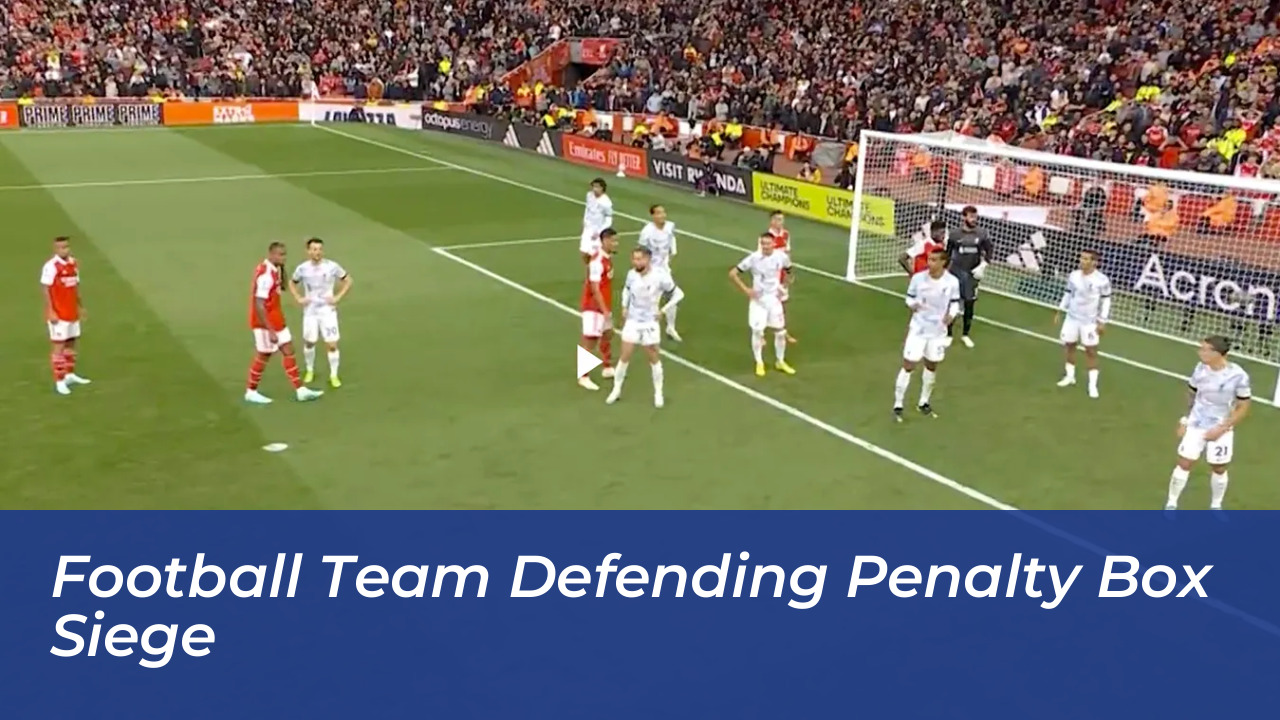
Following the goal, Tony Popovic shifted Australia into an ultra-defensive posture. All eleven Socceroos players retreated into a compact block within 20 yards of their own goal line, establishing a defensive fortress designed to weather a Brazilian onslaught. Carlo Ancelotti responded by introducing a wave of substitutes, injecting fresh legs into the attack.
Pedro, Samuel Lino, Rayan, Mauro Júnior, and Jair Cunha entered the pitch as Brazil shifted into a frantic, all-out attacking shape. The visitors camped on the edge of the penalty area, launching wave after wave of crosses into the danger zone. Harry Souttar and Lucas Herringer produced heroic last-ditch blocks, putting their bodies on the line to repel shots.
Rayan’s 95th-Minute Equalizer
Just when Australia seemed destined to secure a famous victory, Brazil struck. In the 95th minute, Raphinha delivered a pinpoint, out-swinging corner kick into a crowded six-yard box. Bournemouth forward Rayan rose above the flat-footed Australian defense and unleashed a ferocious downward header that bounced past a helpless Patrick Beach.
The late drama silenced the home supporters and sparked wild celebrations among the Brazilian bench. The goal rescued an unconvincing performance and highlighted the squad’s never-say-die attitude under their new Italian manager.
Post-Match Reactions and Strategic Implications
Player and Coach Perspectives
Socceroos players reflected on a mixture of immense pride and bitter frustration. Holding the five-time world champions for nearly the entire match demonstrated rapid growth under Popovic, yet conceding in the dying moments stung deeply. Tony Popovic praised his team’s defensive discipline, emphasizing the developmental value of facing elite opposition.
For Brazil, the post-match analysis centered on structural vulnerabilities. Carlo Ancelotti acknowledged the difficulties posed by the pitch and Australia’s low block, noting that his team must learn to convert territorial dominance into clinical finishing. The rebuild remains a work in progress.
Key Takeaways for Future Fixtures
- Australia’s Defensive Viability: The 3-4-2-1 formation provides the Socceroos with a rock-solid foundation against superior opponents ahead of upcoming World Cup qualifiers.
- Brazil’s Tactical Flexibility: Ancelotti must find the right balance between accommodating star forwards and maintaining defensive transition stability.
- Series Finale Outlook: Both teams enter the second leg of the Queensland series with crucial data points to adjust their tactical approaches.
Frequently Asked Questions
What was the final score of the Brazil vs Australia match?
The international friendly ended in a 1-1 draw after Rayan scored a 95th-minute equalizer for Brazil, canceling out Nestory Irankunda’s stunning free-kick.
Who scored Australia’s goal against Brazil?
Nestory Irankunda scored for Australia in the 68th minute with a sensational 25-yard knuckleball free-kick.
Where was the match played?
The fixture took place at Queensland Country Bank Stadium in Townsville, Australia, on September 25, 2026.
Why was Brazil’s first-half goal disallowed?
Referee Ryo Tanimoto overturned Estêvão’s stoppage-time goal after a VAR review showed Bruno Guimarães fouling Australian captain Harry Souttar during the buildup.