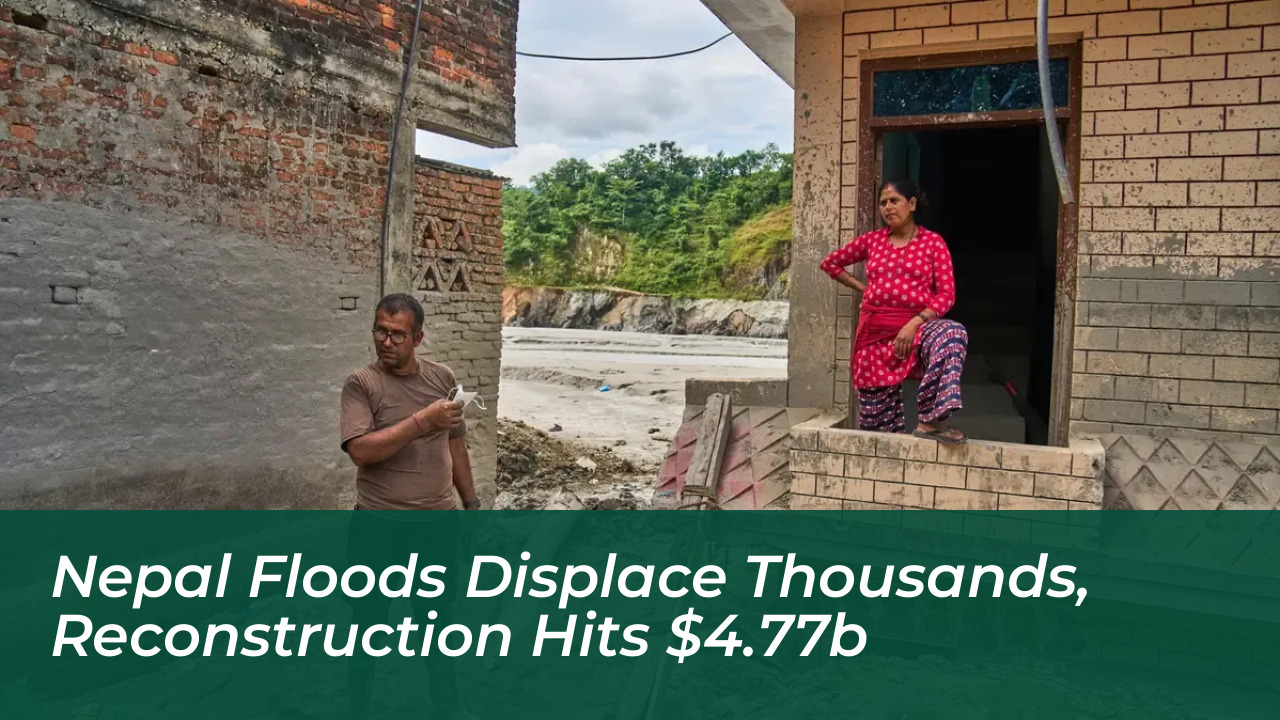
Catastrophic flash floods and devastating mudslides swept through northern river valleys in Nepal and neighboring Tibet, leaving an unprecedented trail of destruction behind. Official disaster management agencies report that reconstruction requirements have surged to an estimated $4.77 billion. The disaster, triggered by a massive high-altitude glacial collapse near the border, displaced tens of thousands of residents, destroyed critical infrastructure, and engulfed multiple hydropower projects in thick layers of sludge and debris.
- Anatomy of the Himalayan Disaster
- Glacial Collapse and Transboundary Impact
- Hydropower Sector Devastation
- Human Toll and International Search Operations
- Rescue and Recovery Challenges
- Global Rescue Assistance
- Financial Breakdown of the 4.77 Billion Reconstruction Bill
- Rapid Damage and Needs Assessment
- Public Utility and Housing Destruction
- Sub-Surface Hydrogeological Instability and Sedimentation Dynamics
- Persistent Monsoon Saturation and Subterranean Risks
- Cross-Border Sedimentation and Ecological Degradation
- The Disproportionate Impact on Vulnerable Livelihoods
- Subsistence Farming and Tourism Collapse
- Humanitarian Aid and Disease Prevention
- Climate Injustice and Global Accountability
- The Call for Loss and Damage Funding
- Demanding Grants Over Loans
- Strategic Angles for Sustainable Recovery
- Decentralized Early Warning Architecture
- Ecosystem-Based Adaptation Models
- Frequently Asked Questions
- What triggered the devastating floods in Nepal?
- How much will reconstruction cost?
- How many people remain missing?
- What international assistance has Nepal requested?
Anatomy of the Himalayan Disaster
Glacial Collapse and Transboundary Impact
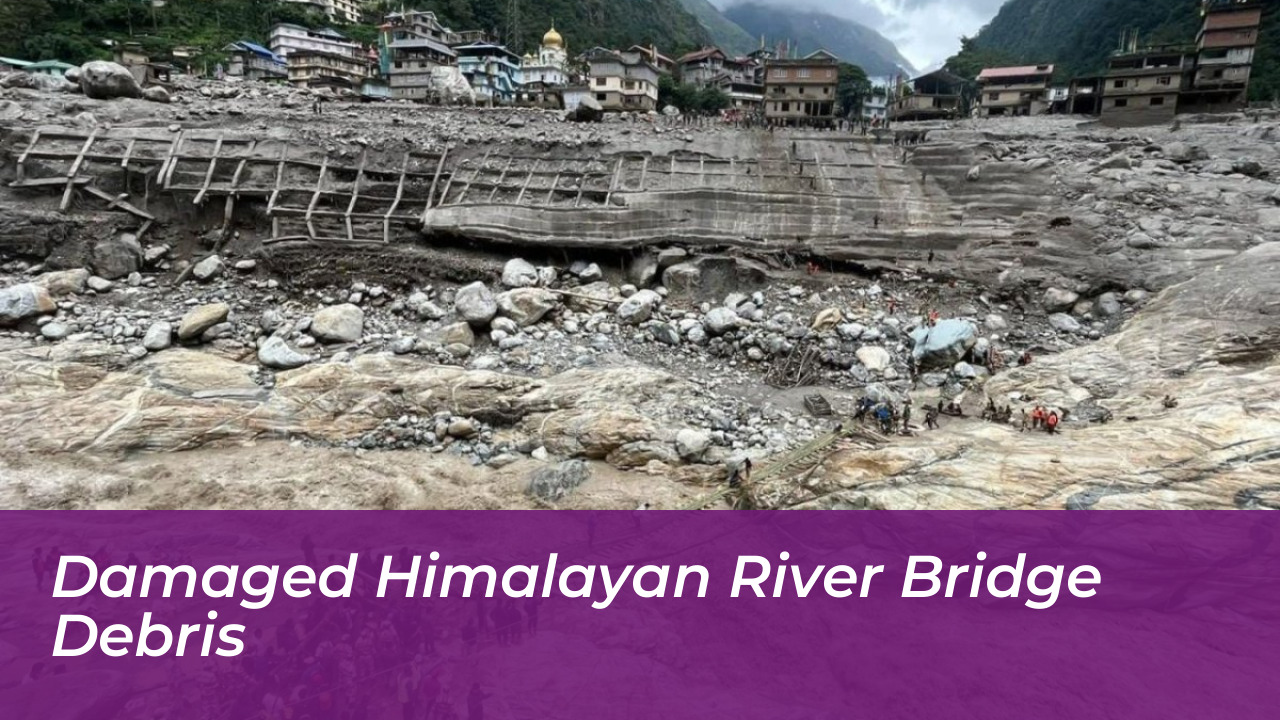
The crisis began when an unstable glacier fractured in the high-altitude border region between Nepal and Tibet. This failure unleashed a sudden, tsunami-like surge of water, mud, rocks, and debris down the Bhote Koshi and Trishuli river corridors. Entire villages vanished beneath towering walls of silt.
Major transport links, trade routes, bridges, and electricity grids suffered catastrophic structural failures. The sheer velocity of the water sheared off reinforced concrete foundations in minutes, leaving regional transport ministries struggling to establish even basic detours around the worst-hit zones.
Hydropower Sector Devastation
Government officials confirmed that at least 12 major hydropower projects took direct hits from the mud and debris surges. Power generation came to a grinding halt across multiple districts, cutting off electricity to surrounding communities and severely impacting the national grid.
Technical response teams continue working to clear blocked waterways and restore basic connectivity, deploying temporary Acrow bridges where permanent structures once stood. Engineers note that clearing the turbine chambers will require specialized heavy excavation equipment that can only be brought in once access roads are fully repaired.
Human Toll and International Search Operations
Rescue and Recovery Challenges
Search and recovery teams face grueling conditions as they comb through thick layers of mud and collapsed structures. Official tallies confirm that recovery teams have retrieved 1,453 bodies in Nepal, alongside 43 fatalities reported in Tibet, while thousands of individuals remain unaccounted for.
Rescue agencies prioritize the treacherous task of searching deep inside flooded hydropower tunnels where workers are believed trapped. The missing demographic includes numerous foreign nationals, encompassing tourists, pilgrims, and migrant workers from dozens of countries who were caught off guard by the sudden torrent.
Global Rescue Assistance
While local emergency responders lead the mission, specialized rescue squads from nations including India, China, South Korea, the United Arab Emirates, and Australia arrived with heavy equipment. They utilize high-capacity drones, LiDAR systems, and specialized thermal imaging gear to scan unstable debris fields safely.
Diplomatic coordination focuses on streamlining customs clearances for advanced victim identification technology. Specialized canine units and underwater sonar equipment are now deployed along sections of the river where sediment deposition is deepest.
Financial Breakdown of the 4.77 Billion Reconstruction Bill
Rapid Damage and Needs Assessment
The Ministry of Foreign Affairs released preliminary data from a Rapid Damage and Needs Assessment detailing the staggering financial requirements for recovery. Direct physical damage accounts for approximately $1.8 billion, while associated economic losses sit at roughly $883 million.
Short-term recovery focus areas include distributing temporary shelters, establishing emergency health services, and clearing toxic debris from residential zones. Long-term adaptation costs require a sustained financial commitment from both domestic budgets and international partners to build climate-resilient infrastructure.
Public Utility and Housing Destruction
United Nations estimates indicate that structural damages to schools, government offices, and residential buildings exceed $158 million. Baseline evaluations show thousands of homes completely uninhabitable, forcing families into temporary camps.
Upcoming Post Disaster Needs Assessments will provide a clearer picture of commercial losses and agricultural write-offs. Authorities emphasize that these figures represent only the initial phase of a multi-year economic recovery plan.
Sub-Surface Hydrogeological Instability and Sedimentation Dynamics
Persistent Monsoon Saturation and Subterranean Risks
Long-term subterranean instability remains a primary concern following the glacial outburst floods. Persistent monsoon saturation weakens mountain slopes, creating a high threat of secondary landslide events in adjacent Himalayan valleys for months to come.
Geologists monitor saturation levels across high-altitude ridges using satellite telemetry to spot shifting earth before catastrophic failures occur. Local authorities have restricted movement through several vulnerable mountain passes until geotechnical surveys confirm structural safety.
Cross-Border Sedimentation and Ecological Degradation
Transboundary impacts extend far beyond the immediate disaster zone, as displaced upstream silt flows down into northern Indian floodplains. Millions of tons of fine sediment alter riverbeds, raising water levels and increasing baseline flood risks for downstream agricultural districts.
The long-term agricultural and ecological consequences of these heavy sediment loads include poisoned irrigation channels and ruined topsoil. Biologists warn that aquatic ecosystems in the river basins will require decades to recover from the massive influx of debris and chemical runoff.
The Disproportionate Impact on Vulnerable Livelihoods
Subsistence Farming and Tourism Collapse
Destruction of fertile plots, ready-for-harvest crops, and livestock in Nuwakot, Rasuwa, and Dhading pushed thousands of families into extreme poverty. Farmers watched their seasonal yields vanish under meters of sterile river silt.
The economic ruin hits families dependent on subsistence agriculture and seasonal tourism particularly hard. With trekking routes destroyed and guesthouses swept away, local entrepreneurs have lost their sole source of income for the foreseeable future.
Humanitarian Aid and Disease Prevention
Emergency distribution of clean water, food rations, and medical kits is underway in hard-to-reach displacement camps. Health team interventions are critical to prevent waterborne disease outbreaks among displaced populations braving harsh weather.
Mobile clinics provide continuous care for vulnerable groups, including children and the elderly, who face respiratory issues from damp conditions. Sanitation engineers work around the clock to set up temporary latrines and water filtration units in crowded settlements.
Climate Injustice and Global Accountability
The Call for Loss and Damage Funding
Nepali leadership frames the disaster as a stark manifestation of global climate injustice, pointing out that industrial emissions from major economies accelerate Himalayan glacial melt. Prime Minister Balendra Shah highlighted these inequities during his address at the United Nations General Assembly.
Kathmandu demands easier access to international climate funds specifically earmarked for sudden-onset disasters. The current financial architecture often forces developing nations into high-interest debt rather than providing direct grants.
Demanding Grants Over Loans
Advocating for a strategic shift from loan-based debt to direct grants is essential for sustainable rebuilding. Officials argue that adding sovereign debt to a nation recovering from climate catastrophes exacerbates poverty.
International climate negotiations must address the unique vulnerabilities of mountainous landlocked countries. Financial assistance packages should prioritize non-repayable grants for reconstructing resilient public infrastructure.
Strategic Angles for Sustainable Recovery
Decentralized Early Warning Architecture
Upgrading remote Himalayan valleys with AI-driven seismic sensors and satellite-linked monitoring systems can save countless lives. These technologies provide vital minutes of advance warning for flash floods and glacial outbursts.
Automated siren networks connected to real-time weather stations allow downstream communities to evacuate before floodwaters arrive. Investing in local technical training ensures these warning systems remain operational year-round.
Ecosystem-Based Adaptation Models
Replacing rigid concrete river walls with bio-engineering solutions offers a more sustainable defense against future floods. Deep-root afforestation along steep banks helps absorb kinetic energy from debris flows while stabilizing mountain slopes.
Restoring natural floodplains allows rivers to spread out safely during monsoon surges without threatening populated settlements. Combining traditional ecological knowledge with modern engineering creates robust buffers against extreme weather events.
Frequently Asked Questions
What triggered the devastating floods in Nepal?
A catastrophic high-altitude glacial collapse near the Nepal-Tibet border triggered a massive surge of water, mud, and debris down steep river corridors.
How much will reconstruction cost?
Official disaster management agencies estimate total reconstruction requirements have surged to approximately $4.77 billion.
How many people remain missing?
Thousands of individuals remain unaccounted for following the disaster, alongside confirmed fatalities retrieved by search and rescue teams.
What international assistance has Nepal requested?
Nepal requested specialized search teams, high-capacity drones, LiDAR systems, thermal imaging gear, and advanced victim identification technology from global partners.