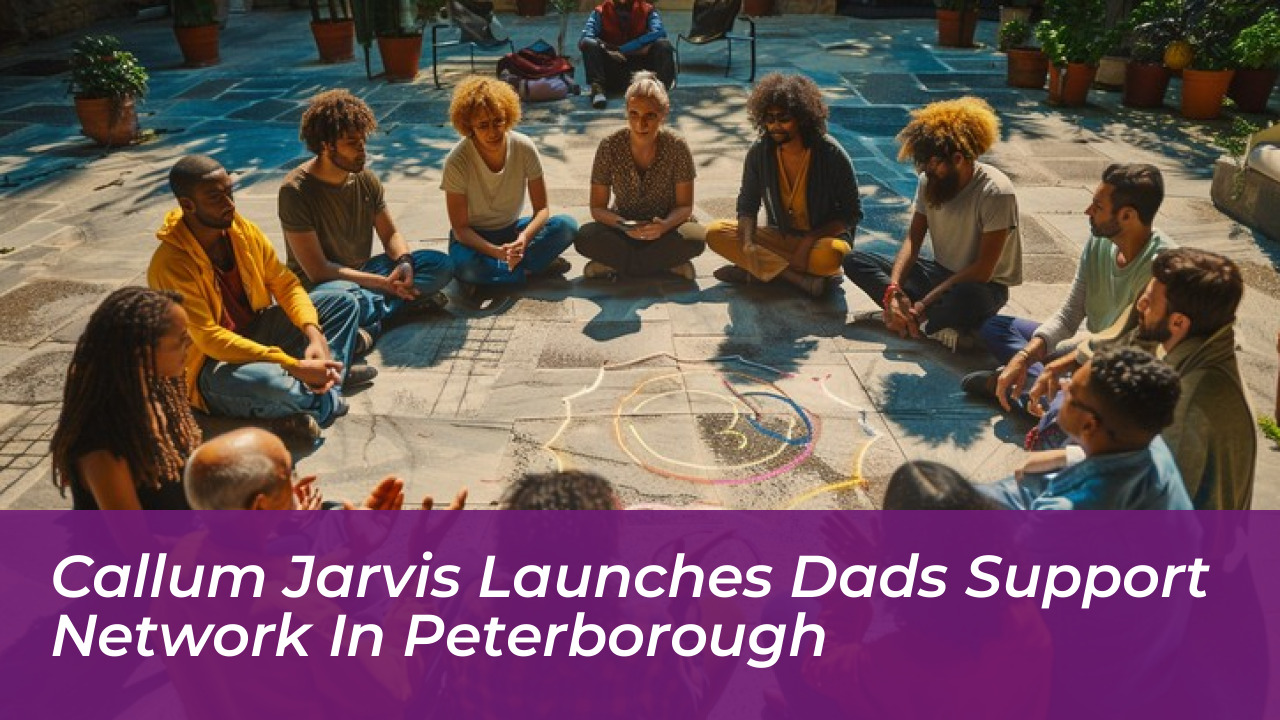
Callum Jarvis created the Dads After Bedtime peer support community in Peterborough to address the growing silent struggle of male loneliness after welcoming children. After experiencing early parenthood isolation firsthand, the twenty-eight-year-old father of two built a regional movement that quickly swept across Cambridgeshire and Lincolnshire. Within three weeks of launching, the network attracted nearly four hundred members seeking genuine camaraderie, informal meetups, and open conversations about modern family life.
- Introduction to Dads After Bedtime in Peterborough
- The Hidden Reality of Paternal Isolation
- Why New Fathers Experience Loneliness
- Shifting Social Circles After Having Children
- Logistical Barriers to Modern Social Planning
- Navigating Adult Friendships Around Nap Schedules
- Finding the Right Balance for Family Outings
- How Dads After Bedtime Bridges the Gap
- Rapid Community Growth Across Cambridgeshire
- Comparing Support Frameworks
- Diverse Events and Digital Connection Channels
- Daytime Gatherings at Ferry Meadows
- Evening Pub Meetups and Digital Spaces
- Why Targeted Support Groups for Men Matter
- Creating Safe Spaces for Open Conversation
- Practical Steps for Fathers Seeking Local Connection
- Actionable Advice to Overcome Isolation
- Frequently Asked Questions
- What is Dads After Bedtime?
- Who can join the network?
- How do members communicate?
Introduction to Dads After Bedtime in Peterborough
The rapid rise of Dads After Bedtime highlights an overlooked gap in regional community planning. Many men find themselves adrift when their pre-existing social structures fail to adapt to the reality of raising young children. Callum Jarvis transformed his own evening isolation into an accessible lifeline for local fathers, stepfathers, and grandfathers.
This initiative bridges the divide between domestic responsibilities and adult social needs. By establishing both digital spaces and physical gatherings, the community proves that fathers need reliable friendships just as much as anyone else to navigate the pressures of modern parenting successfully.
Modern fatherhood demands evolving strategies for maintaining mental wellness.
The Hidden Reality of Paternal Isolation
Why New Fathers Experience Loneliness
Paternal isolation remains a widespread issue that rarely receives adequate attention in family support conversations. Research from organizations like Home-Start UK demonstrates that new fathers experience profound loneliness at rates comparable to mothers. Despite this shared reality, formal social infrastructure tailored specifically to men continues to lag behind community needs.
The structural and social shifts occurring during the transition into fatherhood often happen without warning. Men frequently absorb new financial and domestic pressures while simultaneously losing their primary stress-relief outlets. Traditional community planning rarely accounts for the specific mental health challenges facing new dads.
Many men suffer in silence due to cultural expectations.
Shifting Social Circles After Having Children
Becoming a parent instantly alters pre-existing social dynamics. Old friendships inevitably drift apart as daily schedules shift toward nursery runs, childcare duties, and domestic routines. Non-parent friends often maintain routines and social calendars that no longer align with the rigid demands of family life.
Local community member Jamie Major noted that countless fathers share identical stories of social drift. When family responsibilities take priority, spontaneous weekend trips and late-night outings vanish. Without intentional effort, fathers can find themselves completely isolated within their own homes.
Rebuilding a social network requires deliberate actions.
Logistical Barriers to Modern Social Planning
Navigating Adult Friendships Around Nap Schedules
Planning social outings around children introduces distinct logistical hurdles. Adult-only environments rarely accommodate the realities of parenting, while family-friendly venues require meticulous coordination based on a child’s age and nap schedule. Coordinating simple social interactions often feels like managing a complex project.
Traditional adult social spaces fail to accommodate the practical needs of parents. Trying to hold a meaningful conversation in a chaotic indoor play area proves nearly impossible. Fathers need environments that allow for both family inclusion and genuine adult connection.
Flexible scheduling options help overcome common barriers.
Finding the Right Balance for Family Outings
Finding suitable locations involves far more considerations than traditional adult social planning. Venues must offer safety, accessibility, and enough entertainment for children while remaining comfortable for adults. Balancing these requirements often discourages fathers from attempting social outings at all.
Careful venue selection ensures stress-free weekends.
How Dads After Bedtime Bridges the Gap
Rapid Community Growth Across Cambridgeshire
The milestone of reaching nearly four hundred members within the first three weeks showcases a massive regional demand. Fathers, stepfathers, and grandfathers from all walks of life quickly joined the network. This diverse demographic proves that isolation affects men regardless of age or background.
Expanding membership reflects a broader societal shift toward male mental health awareness.
Comparing Support Frameworks
| Feature | Traditional Parent Groups | Dads After Bedtime Network |
|---|---|---|
| Primary Focus | Child playdates and maternal support | Paternal mental health and peer friendship |
| Event Timing | Weekday mornings and afternoons | Flexible daytime weekends and late evening slots |
| Communication Channels | In-person coffee mornings | Discord servers, social media, and local meetups |
Diverse Events and Digital Connection Channels
Daytime Gatherings at Ferry Meadows
The network regularly hosts family-friendly daytime events, including relaxed play and chat sessions at Ferry Meadows. These outdoor gatherings allow fathers to bring their children while conversing with peers in a low-pressure environment. Fresh air and open space create an ideal backdrop for easy conversation.
Participants like Josh Maclean joined after a partner recommended the group, immediately noticing the strong sense of camaraderie. Dale Thurby, a local dad and stepdad, emphasized that Peterborough severely lacked targeted support networks before this launch, making these meetups invaluable for local families.
Outdoor activities provide natural conversation starters for hesitant newcomers.
Evening Pub Meetups and Digital Spaces
Recognizing that daytime schedules vary wildly, Dads After Bedtime organizes evening pub meetups and maintains active digital hubs on Discord and Instagram. Asynchronous online platforms permit fathers to communicate freely after their children go to sleep. This digital accessibility ensures that support remains available even when physical attendance is impossible.
Online forums bridge geographical distances effectively.
Why Targeted Support Groups for Men Matter
Creating Safe Spaces for Open Conversation
Peer groups designed specifically for men provide distinct psychological benefits by removing the hesitation fathers feel in traditional mother-dominated spaces. Men often feel out of place in standard parenting circles. A dedicated male network eliminates this barrier.
Focusing on shared experiences encourages transparent dialogue regarding mental health, relationship adjustments, and work-life balance. When men see their peers facing identical hurdles, the stigma surrounding vulnerability dissolves naturally.
Emotional expression builds lasting resilience against stress.
Practical Steps for Fathers Seeking Local Connection
Actionable Advice to Overcome Isolation
- Join digital community hubs during evening downtime to maintain continuous peer contact.
- Attend casual outdoor weekend meetups at local parks like Ferry Meadows.
- Schedule evening social outings after bedtime routines are fully complete.
- Initiate honest discussions about shared parenting challenges to build genuine friendships.
Consistent participation transforms casual acquaintances into dependable friends.
Frequently Asked Questions
What is Dads After Bedtime?
It is a Peterborough-based peer support community created by Callum Jarvis to combat paternal loneliness.
Who can join the network?
Fathers, stepfathers, and grandfathers of all backgrounds and ages are welcome to participate.
How do members communicate?
Members connect through digital platforms like Discord alongside physical weekend and evening meetups.
Overcoming paternal isolation requires deliberate effort and supportive community structures. Callum Jarvis and the Dads After Bedtime network prove that Peterborough fathers are eager for authentic connection. By prioritizing mental health and peer friendship, local families thrive together in a stronger, more connected environment.