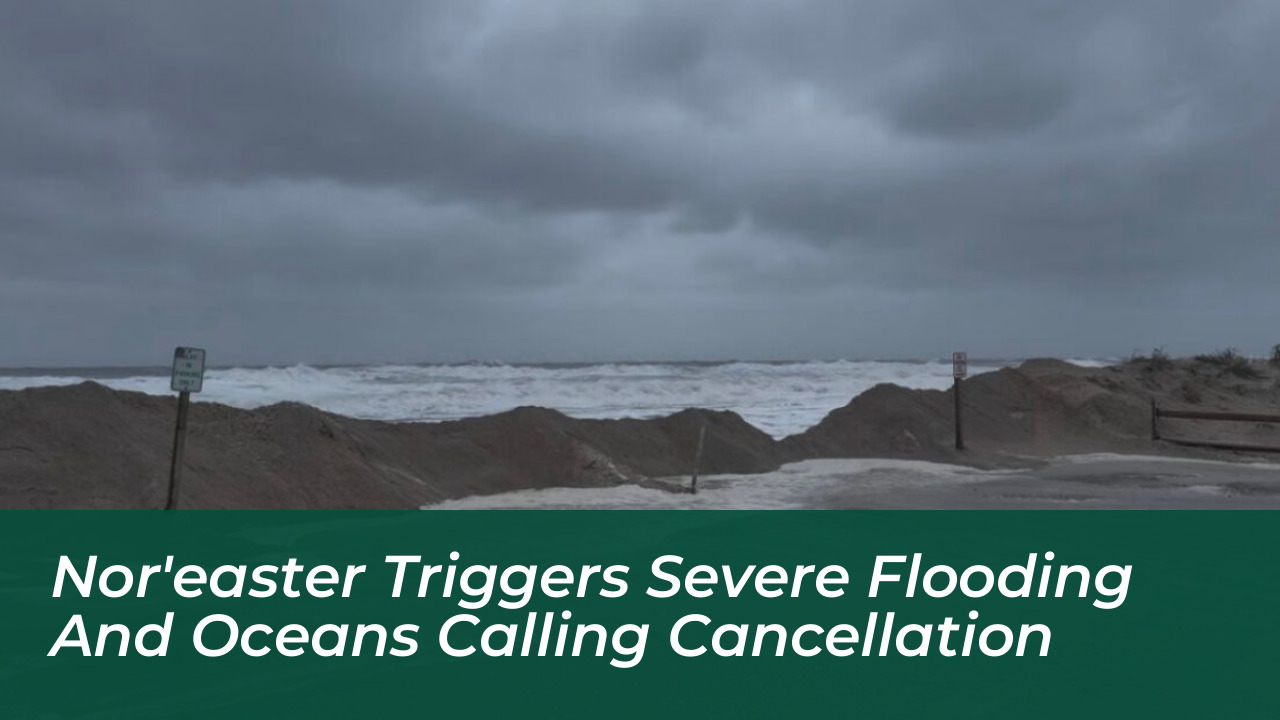
A severe nor’easter slammed the Mid-Atlantic coast in September 2026, bringing destructive coastal flooding, heavy rain, and gale-force winds to Ocean City, Maryland. This severe weather event directly prompted the cancellation of the Oceans Calling music festival, disrupting travel, local business, and thousands of weekend plans across the coast.
- Understanding the Severe Mid-Atlantic Nor’easter
- Meteorological Setup and Storm Tracking
- Historical Precedent for Ocean City Festival Disruptions
- Timeline of the Oceans Calling Festival Shutdown
- Initial Scaled-Back Plans and Friday Cancellations
- Total Event Cancellation for Saturday and Sunday
- Financial Impact and Ticket Refund Protocols
- Primary Ticketing and Automatic Refunds
- Secondary Market Complications
- Local Economic Response and Tourism Adaptation
- Impact on Ocean City Businesses and Stranded Visitors
- Spontaneous Performances and Community Resilience
- Broader Regional Impacts and East Coast Disruptions
- Coastal Flooding and Travel Infrastructure
- Warnings, Advisories, and Competing Events
- Future Outlook for Beachfront Events in Ocean City
- Contingency Planning for Open-Air Festivals
- Looking Ahead to Upcoming Coastal Gatherings
- Frequently Asked Questions
- Why was the Oceans Calling festival cancelled?
- How do I get a refund for my Oceans Calling tickets?
- Will future festivals in Ocean City happen despite this storm?
Understanding the Severe Mid-Atlantic Nor’easter
Meteorological Setup and Storm Tracking
Weather models shifted westward during the middle of the week, putting the Mid-Atlantic coast directly in the crosshairs of a potent coastal low-pressure system. This atmospheric setup brought an intense combination of high astronomical tides, rising storm surges, and sustained gale-force winds directly onto the shoreline. The National Weather Service issued urgent coastal flood advisories, while municipal safety officials in Ocean City coordinated emergency response protocols to protect residents and arriving tourists.
Hosting massive open-air gatherings on Atlantic barrier islands during the autumn months always carries inherent weather risks. Ocean City features wide sandy beaches, but these flat coastal zones offer zero natural protection against gale-force ocean winds and rising storm surges. Meteorological teams monitored the pressure drops closely, realizing quickly that structural integrity for temporary staging equipment would fail under sustained high-velocity gusts.
Historical Precedent for Ocean City Festival Disruptions
This weather emergency echoes the exact fate of the festival’s inaugural 2022 event. That opening weekend suffered a complete cancellation due to the residual impacts of Hurricane Ian, which battered the same coastline with torrential rain and heavy winds. Organizers hoped for better luck in subsequent years, but the volatile nature of late-season tropical systems and autumn nor’easters continues to challenge large-scale event scheduling along the eastern seaboard.
Logistical planners rely on historical climate data to pick ideal festival weekends, yet shifting climate patterns introduce unpredictability. Autumn brings cooler temperatures favored by concertgoers, but it also opens the door for powerful coastal storms moving up from the south or spinning off the Atlantic. Building multi-million-dollar temporary festival sites on sand requires days of calm weather that simply did not materialize.
Timeline of the Oceans Calling Festival Shutdown
Initial Scaled-Back Plans and Friday Cancellations
Event organizers attempted to salvage the multi-day weekend as the weather forecast deteriorated. Officials initially announced the cancellation of only Friday’s opening lineup to let the worst of the early storm pass. That initial cut impacted major Friday headliners, including the Dave Matthews Band, Hootie and the Blowfish, and Ludacris, leaving thousands of early-arriving fans disappointed outside the gates.
Behind the scenes, production crews worked against driving rain and rising water to secure audio and lighting towers. However, the storm system intensified faster than anticipated, locking in a dangerous meteorological trajectory for Saturday and Sunday. Wind speeds surpassed the safety thresholds certified by structural engineers, rendering further construction impossible.
Total Event Cancellation for Saturday and Sunday
Organizers made the difficult call to pull the plug on the remainder of the weekend by Friday afternoon. The total shutdown wiped out more than 40 scheduled music acts across three beachfront stages, including heavy hitters like Twenty One Pilots, Mumford and Sons, the Goo Goo Dolls, and Third Eye Blind. Festival gates remained locked tight as the nor’easter reached its peak intensity over the barrier island.
Safety officials praised the swift decision-making of the promoter group, C3 Presents, and municipal leaders. Attempting to push through the weather would have risked the lives of tens of thousands of attendees, staff members, and artists. The rapid communication ensured that travelers on highways heading toward the resort town received prompt warnings to turn around or alter their itineraries.
Financial Impact and Ticket Refund Protocols
Primary Ticketing and Automatic Refunds
Financial administrators for the festival updated refund protocols immediately to protect consumers who lost their weekend entertainment. Anyone who purchased passes directly through Front Gate Tickets receives an automatic, full refund to their original method of payment. Processing windows are slated for completion within 30 days of the cancellation announcement.
Purchasers who bought single-day passes for Friday or full three-day wristbands through official primary channels receive 100 percent of their money back without needing to submit complicated claim forms. This automated system reduces customer service friction and ensures trust remains high for future festival editions.
Secondary Market Complications
Fans who utilized unauthorized third-party resale marketplaces face a much more complicated recovery process. Event organizers cannot directly resolve claims or issue refunds for transactions conducted outside official platforms. Buyers relying on speculative ticket sites must navigate the individual customer guarantee policies of those specific secondary brokers.
Tickets secured through the official Ticketmaster Verified Exchange follow standard primary refund guidelines, protecting those buyers. This stark difference highlights the financial risks associated with buying event passes from unverified peer-to-peer sellers, especially during volatile weather seasons when cancellations happen frequently.
Local Economic Response and Tourism Adaptation
Impact on Ocean City Businesses and Stranded Visitors
Oceans Calling traditionally delivers a massive economic boost to Ocean City at the tail end of the traditional summer tourist season. The sudden cancellation left thousands of visitors stranded in the resort town after traveling from across the country and overseas. Local hotels, bars, and restaurants faced a sudden drop in expected revenue despite the streets remaining crowded with stranded music fans.
Ocean City Mayor Rick Meehan noted that thousands of visitors still filled local establishments despite the wild weather, turning a music weekend into an impromptu coastal vacation. Municipal leadership quickly mobilized to support travelers and mitigate the financial blow to local commerce by opening all parking lots previously designated for festival staging and waiving parking fees for the weekend.
Spontaneous Performances and Community Resilience
Several artists stranded by the cancellation organized spontaneous local pop-up shows to entertain dedicated fans who made the trip. Singer Cassandra Coleman and her band performed an energetic set at the popular coastal bar Seacrets, while other acts hosted acoustic shows at local venues. These intimate performances transformed a washed-out festival weekend into a memorable, community-driven experience.
Local business owners adapted quickly by extending happy hours, offering indoor acoustic entertainment, and welcoming stranded visitors into local venues. This resilience cushioned the economic blow for service industry workers and gave travelers a reason to celebrate despite the heavy rain and coastal flooding outside.
Broader Regional Impacts and East Coast Disruptions
Coastal Flooding and Travel Infrastructure
The destructive nor’easter did not limit its wrath to Ocean City, as weather anomalies rippled across the entire East Coast. Transit corridors, regional flight schedules, and other major outdoor events suffered severe disruptions. Amtrak advised passengers along the Northeast Corridor to monitor train statuses closely as coastal flooding threatened tracks and overhead electrical infrastructure.
In nearby Chincoteague, Virginia, local emergency management officials advised residents in low-lying, flood-prone areas to consider temporary relocation. High tides pushed bay waters over local bulkheads, submerging low roads and cutting off access to parts of the island until the storm system finally drifted out to sea.
Warnings, Advisories, and Competing Events
Coastal flood warnings stretched from Delaware down through Virginia beaches, bringing high surf and severe beach erosion. Sand dunes protecting coastal homes took a severe beating from pounding waves. Meanwhile, other regional outdoor events faced similar weather threats, forcing event planners up and down the coast to monitor rapidly changing National Weather Service bulletins.
| Event / Location | Weather Threat | Impact / Status |
|---|---|---|
| Oceans Calling (Ocean City, MD) | Gale-force winds, storm surge | Total cancellation, automatic refunds issued |
| Northeast Corridor Rail | Coastal flooding, track debris | Amtrak advisories and schedule delays |
| Chincoteague Island, VA | Bay flooding, high tides | Voluntary relocation advisories for low areas |
| Delaware to Virginia Beaches | Severe beach erosion, high surf | Extended coastal flood warnings |
Future Outlook for Beachfront Events in Ocean City
Contingency Planning for Open-Air Festivals
Frequent weather disruptions highlight the inherent risks of hosting massive open-air festivals directly on Atlantic barrier island beaches during the autumn storm season. Event planners increasingly lean on robust contingency planning and early meteorological modeling to protect attendees, staff, and expensive audio-visual infrastructure before conditions turn dangerous.
Promoters now incorporate stricter weather threshold clauses into artist contracts and production schedules. Having clear protocols allows event teams to make early, data-driven decisions rather than waiting until the last minute when storm conditions make logistics impossible to manage safely.
Looking Ahead to Upcoming Coastal Gatherings
Despite this year’s setback, municipal leaders and promoters are already shifting their focus toward upcoming coastal events. The scheduled Country Calling festival, featuring major country headliners like Miranda Lambert and Rascal Flatts, remains firmly on the calendar. Organizers continue to monitor long-term meteorological models closely to ensure a safe and successful future weekend on the sand.
Ocean City remains fully committed to cementing its status as a premier live music destination on the East Coast. By refining safety protocols, improving drainage infrastructure around festival grounds, and maintaining transparent communication with ticket holders, the resort town plans to host world-class entertainment safely for years to come.
Frequently Asked Questions
Why was the Oceans Calling festival cancelled?
A severe Mid-Atlantic nor’easter brought high winds, coastal flooding, and dangerous storm surges to Ocean City, making it unsafe to build or operate temporary stages on the beachfront.
How do I get a refund for my Oceans Calling tickets?
Tickets purchased through Front Gate Tickets receive an automatic full refund to the original payment method within 30 days. Third-party resale tickets depend on the policies of the specific secondary marketplace used.
Will future festivals in Ocean City happen despite this storm?
Yes. Municipal leaders and promoters remain committed to hosting beachfront concerts, including upcoming events like Country Calling, backed by enhanced meteorological monitoring and safety protocols.