Security measures and campus safety alerts have intensified across Oxford, Mississippi, following the tragic deaths of two University of Mississippi students in separate incidents. The Lafayette County Metro Narcotics Unit, alongside local and state law enforcement agencies, leads the ongoing investigation to determine the exact circumstances surrounding these events. Understanding the timeline and the substances recovered at the scenes remains a primary focus for investigators as the community seeks answers during a difficult time.
- Overview of the Ole Miss Student Investigations
- The Presence of Packaged Kratom in Investigations
- Understanding Kratom and Regulatory Realities
- The Dangers of Concentrated 7-Hydroxymitragynine Products
- Campus Safety Measures and Student Support Networks
- Broader Implications for College Safety and Substance Awareness
- Frequently Asked Questions
- What caused the deaths of the two Ole Miss students?
- Are the two student deaths officially connected by law enforcement?
- What is kratom and why is it drawing regulatory scrutiny?
- What support resources are available to Ole Miss students?
Overview of the Ole Miss Student Investigations
Authorities identified the deceased students as Aidan Hamilton, a freshman from Englewood, Colorado, and Robert Strang, a junior from Atlanta. Officials confirmed that one student was discovered deceased inside an on-campus residence hall, specifically Stewart Hall, while the second student was located at an off-campus residential property. Initial emergency dispatch logs show that first responders arrived at Stewart Hall around 1:30 p.m. on Monday in response to an urgent medical emergency. While public curiosity and social media speculation rapidly connected the timeline, law enforcement agencies emphasize that the two investigations remain formally separate.
Investigators stress that no official evidence currently links the two fatalities directly together, though the simultaneous timing and shared presence of retail substances have elevated community concern. The Lafayette County Metro Narcotics Unit coordinates closely with municipal police departments and university safety officials to ensure a thorough review of every detail. State agencies also provide technical assistance to local detectives who are working to piece together the events leading up to the tragic discoveries.

The Presence of Packaged Kratom in Investigations
During the execution of both death investigations, authorities recovered packaged kratom from retail outlets at or near the respective scenes. Investigators and medical examiners reiterate that the presence of this herbal substance does not constitute definitive proof of causation. Toxicology reports, which remain pending through the Mississippi State Crime Laboratory, require several weeks to yield conclusive results regarding blood chemistry, potential contaminants, or lethal dosages. The Mississippi Department of Public Safety actively assists local authorities in expediting these detailed screenings.
Law enforcement officials issued strict warnings urging the public and the student body to avoid premature speculation. Representatives from the Lafayette County Metro Narcotics Unit stated publicly that they lack verified data indicating kratom or any other specific compound contributed to either tragedy. State leaders, including Governor Tate Reeves, mobilized resources from the Mississippi Bureau of Narcotics to support local investigators and provide technical expertise as the analysis continues.
Understanding Kratom and Regulatory Realities
Kratom is a tropical tree native to Southeast Asia, scientifically known as Mitragyna speciosa. Its leaves contain chemical compounds that interact with opioid receptors in the brain. At lower consumption levels, the substance acts primarily as a stimulant, increasing energy, talkativeness, and alertness. At higher quantities, it produces sedative, pain-relieving effects comparable to pharmaceutical opioids. This dual physiological profile makes the botanical substance unpredictable, especially for inexperienced users.
While the product remains legally available in various retail formats across parts of Mississippi, municipal and county ordinances enforce strict local regulations within Lafayette County. Public health agencies, including the Food and Drug Administration, warn consumers about the inherent risks associated with unregulated botanical supplements. Potential adverse reactions range from dependence and addiction to severe hepatic injury, respiratory depression, and cardiovascular complications. Regulatory bodies continue to scrutinize the open sale of these compounds in convenience stores and gas stations.
The Dangers of Concentrated 7-Hydroxymitragynine Products
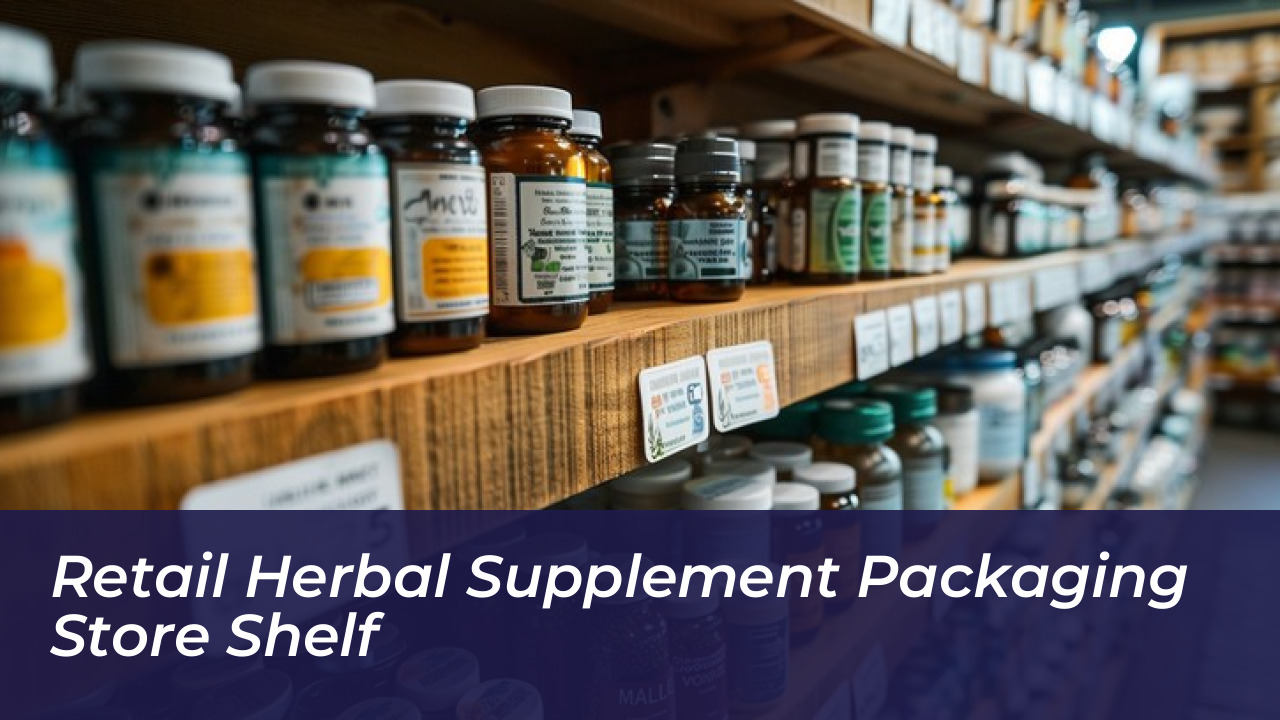
Standard kratom leaf powders and capsules differ significantly from heavily processed extracts currently flooding retail shelves. Modern manufacturing techniques isolate specific alkaloids, most notably 7-hydroxymitragynine, widely referenced as 7-OH. These enhanced formulations concentrate the psychoactive potency far beyond natural leaf material, amplifying the risk of accidental overdose and chemical dependency. Toxicology experts and emergency physicians note that concentrated alkaloid products evade standard drug screening panels while posing acute physiological threats.
Because commercial manufacturers operate largely outside federal pharmaceutical oversight, batch purity varies wildly. Consumers often purchase these items under the false assumption that natural labeling guarantees safety, ignoring the potent pharmacological activity concentrated inside commercial packaging. The lack of standardized dosing instructions means that users have no reliable way to gauge the strength of individual servings, significantly increasing the probability of adverse health events.
Campus Safety Measures and Student Support Networks
In response to the heightened anxiety across the Oxford campus, university administrators activated comprehensive support networks. Dr. Shawnboda Mead, the vice chancellor for student affairs, released official statements expressing deep condolences to the families of Aidan Hamilton and Robert Strang while counseling students to rely exclusively on verified institutional updates. Administrative teams work around the clock to ensure that accurate information reaches students and parents during this period of collective mourning.
University officials also reminded the campus community about existing harm-reduction resources. The Oxford Police Department confirmed that Narcan, an opioid antagonist capable of temporarily reversing respiratory depression from various central nervous system depressants, is widely accessible across campus facilities. Additionally, the university actively directs students toward the University Counseling Center and the UMatter Student Support and Advocacy program for professional mental health assistance.
Broader Implications for College Safety and Substance Awareness
The tragedy at Ole Miss highlights a broader vulnerability across American higher education institutions regarding unregulated retail substances. College students frequently experiment with legal, over-the-counter botanical products marketed as safe study aids, energy boosters, or relaxation tools. Without rigorous quality control, third-party laboratory testing, or age-verification standards equivalent to prescription pharmaceuticals, these items present hidden hazards. University health centers now face the challenge of educating young adults on the pharmacological realities of unregulated supplements.
Administrators emphasize that safety extends beyond traditional illicit narcotics to include legal commercial compounds sold openly in local markets. Collaborative efforts between campus police, municipal narcotics teams, and state toxicologists remain essential in establishing an accurate timeline and preventing future tragedies. Educational campaigns focusing on substance awareness can empower students to make informed decisions regarding over-the-counter wellness products.
Frequently Asked Questions
What caused the deaths of the two Ole Miss students?
Official causes of death remain undetermined pending comprehensive autopsy reports and toxicology screenings. Local authorities and medical examiners state that final lab results require several weeks to process completely.
Are the two student deaths officially connected by law enforcement?
No. The Lafayette County Metro Narcotics Unit stated that investigators currently have no confirmed evidence indicating that the separate incidents are connected, though both scenes involved recovered packaged kratom.
What is kratom and why is it drawing regulatory scrutiny?
Kratom is a botanical substance derived from a Southeast Asian tree that acts as a stimulant in small doses and an opioid-like sedative in higher amounts. Regulators scrutinize it due to risks of addiction, dependence, and variable potency in concentrated commercial extracts.
What support resources are available to Ole Miss students?
Students seeking guidance or emotional support can access the University Counseling Center and the UMatter Student Support and Advocacy network. Campus safety departments also maintain supplies of emergency reversal agents like Narcan for immediate campus response.