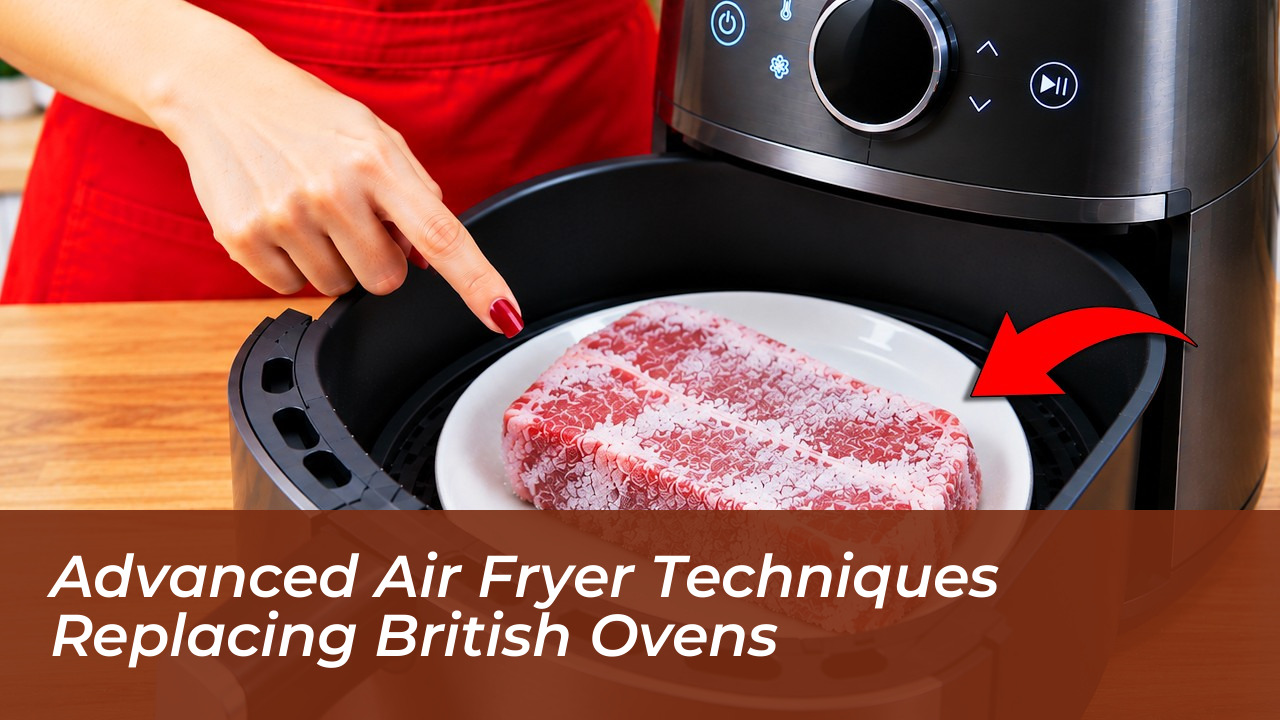

The domestic air fryer has evolved from a novelty counter-top gadget into a high-efficiency convection workhorse capable of replacing conventional ovens for complex baking, delicate searing, and whole-meal preparation. Rigorous product analyses from independent consumer champion Which? consistently reveal that the rapid air circulation inside these compact chambers transfers thermal energy far faster than traditional built-in ovens, drastically reducing energy usage while achieving superior texture. Yet a surprising number of British households continue to relegate this powerful appliance to reheating frozen foods and roasting potato wedges. Unlocking the full potential of high-velocity convection requires rethinking how dry heat interacts with moisture, fats, and seasonings. When mastered, these under-utilised methods transform routine meal preparation.
The Physics of Rapid Heat: Why Traditional Rules Fail
Standard oven cooking relies heavily on radiant heat from sluggish heating elements, paired with slow, natural convection currents that struggle to evaporate surface moisture efficiently. An air fryer operates on a completely different mechanical premise, forcing intensely hot air down through an engineered vortex that strips moisture away from food surfaces in seconds. This rapid evaporation accelerates the Maillard reaction-the chemical process responsible for deep browning and complex savoury flavours-long before the interior of your food can overcook or dry out. Because the cooking cavity is concentrated, minor adjustments yield dramatic results across unfamiliar food categories.
Unexpected Culinary Applications Transforming Weeknight Cooking
Pushing past conventional culinary habits reveals just how versatile these high-powered appliances are when handling delicate ingredients and intricate textures. Incorporating these streamlined methods removes the friction of extensive prep work, leaving kitchen surfaces clear and washing-up piles minimal.
- Waterless “Boiled” Eggs: Placing whole eggs directly into the dry basket at 120°C produces flawlessly set whites and jammy yolks in roughly twelve to fourteen minutes, completely bypassing the need to boil a pan of water on the hob.
- Blistered Halloumi and Paneer: Achieving golden edges on high-moisture cheeses usually leaves frying pans swimming in expelled brine. High-velocity air crisps the exterior instantly while maintaining a soft, yielding centre.
- Caramelised Whole Heads of Garlic: Roasting whole bulbs sliced across the top takes less than twenty minutes at 180°C, providing sweet, spreadable purée for sauces and compound butters without heating an entire kitchen.
- Charred Greens and Brassicas: Kale, tenderstem broccoli, and cabbage wedges transform into crisp, nutty side dishes within five minutes under targeted top heat.
Mastering the Delicate Art of Compact Baking
Baking is frequently treated as off-limits for benchtop convection appliances, yet small-batch patisserie often thrives in these precise temperature environments. The direct directional airflow creates an exceptionally swift oven spring, ideal for traditional British scones, molten chocolate puddings, and miniature fruit galettes.
Bakers must, however, respect the sheer strength of the fan. Lightweight parchment liners must always be weighed down securely with dough or silicone clips, as loose paper drawn upward toward exposed heating coils presents an immediate scorch hazard.
Crucial Habits for Maximising Appliance Performance
Executing adventurous recipes requires a firm grasp of essential air management techniques inside the cooking chamber. Applying these core habits elevates everyday ingredients into restaurant-calibre dishes with minimal domestic fuss:
- Avoid Crowding the Basket: Piling proteins or vegetables on top of each other blocks circulation, transforming intense convection into gentle steaming and destroying any chance of crispness.
- Pat Everything Dry: Surface water is the sworn enemy of caramelisation. Blotted ingredients brown immediately instead of boiling in residual moisture.
- Choose Fats Judiciously: High smoke-point vegetable oils applied sparingly with a brush work significantly better than aerosol sprays, which can degrade non-stick coatings over time.
As energy-conscious homes continue to scrutinise running costs, mastering unconventional kitchen methods offers both economic and culinary dividends. Taking full advantage of rapid convection changes weeknight cooking from an exhausting chore into a quick, repeatable triumph.
Which surprising recipe have you managed to perfect in your own kitchen? Share your favourite benchtop experiments in the comments below.