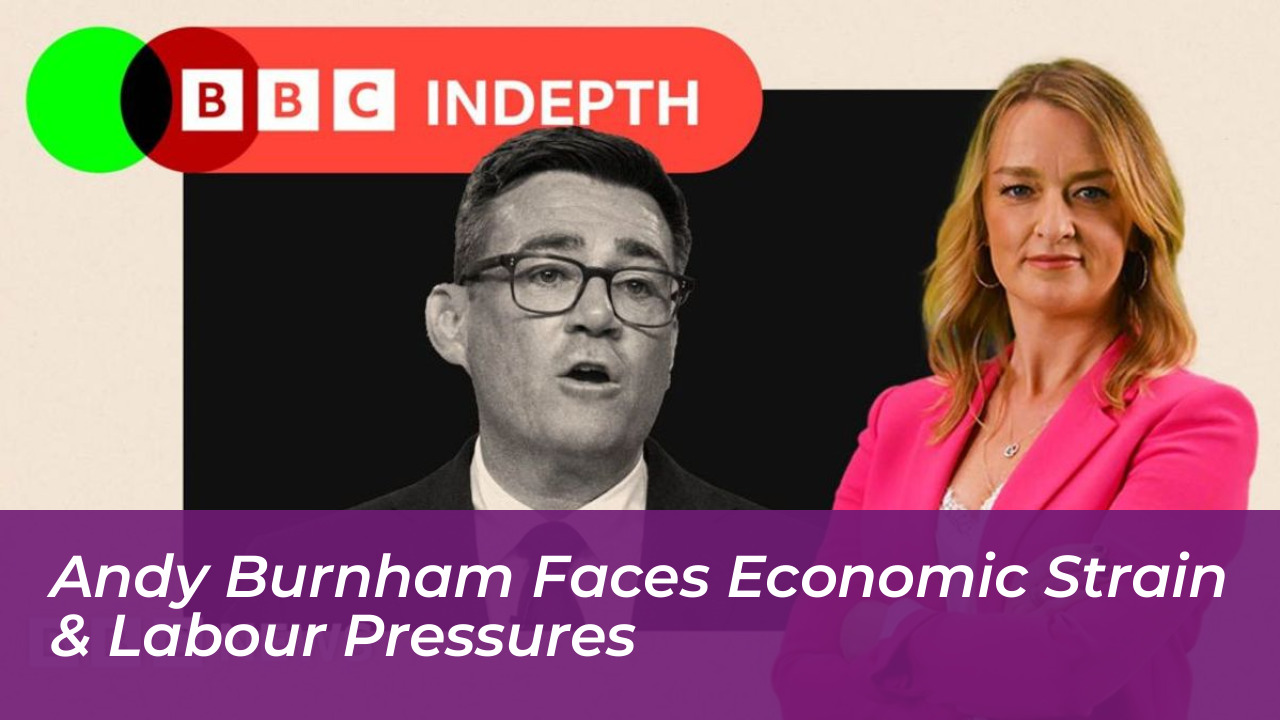
Prime Minister Andy Burnham enters his tenure buoyed by a sudden surge in internal party morale as he prepares for his address at the Labour annual conference. Yet, this political honeymoon unfolds against a backdrop of severe macroeconomic pressures and an impending national budget. Internal stability within the administration largely stems from a stark personal contrast. Party insiders note that rank-and-file members and voters simply prefer the current prime minister over his predecessor, Keir Starmer. A sharper political operation inside Downing Street and an incremental uptick in public opinion polling contribute to a more optimistic mood across Westminster.
- Introduction to the Burnham Era: Navigating Economic Headwinds
- The Ascent of the King of the North
- The Economic Dilemma: Affordability Versus Fiscal Constraints
- Key Economic Pressures Facing the Administration
- Manchesterism and the Philosophy of Devolution
- Contrasting Approaches to Economic Reform
- Table: Economic Reform Factions Within the Administration
- Internal Party Dynamics and Cabinet Realignment
- The Test of Reality
- Frequently Asked Questions
- Who is the current Prime Minister of the United Kingdom?
- What is Manchesterism?
- How did Andy Burnham re-enter Parliament?
A senior government source credits the new administration with delivering clearer, more decisive policy choices. Ministers also report an almost complete lack of appetite for internal revolts or leadership challenges at this early stage. Describing the internal dynamics of the executive branch, an anonymous government insider captured the prevailing sentiment with a concise observation. He just loves being prime minister, the insider remarked, highlighting Burnham’s visible enthusiasm for executive office compared to the defensive posture of past leadership teams.
Introduction to the Burnham Era: Navigating Economic Headwinds
Surge in internal party morale as Prime Minister Andy Burnham prepares for his inaugural Labour conference address. The transition of power brings a noticeable shift in tone across government offices, replacing defensive communication strategies with proactive regional advocacy. This newfound optimism provides vital political capital as the cabinet confronts an unforgiving fiscal landscape.
Contrast between public popularity and severe macroeconomic pressures heading into the national budget remains stark. While party members celebrate the energetic new leadership, independent economists warn that structural deficits and stagnant productivity will severely limit spending ambitions. Ministers must reconcile popular demands for immediate financial relief with rigid debt targets established by the Treasury.
Overview of the new Downing Street political operation and renewed momentum across Westminster. The administration has streamlined decision-making processes by empowering experienced regional operators alongside traditional civil servants. This structural pivot aims to prevent policy bottlenecks and ensure that Downing Street maintains tight control over legislative priorities.
The Ascent of the King of the North
Andy Burnham assumed office on July 20, 2026, following a rapid political handover presided over by King Charles III at Buckingham Palace. The 56-year-old former Mayor of Greater Manchester, widely dubbed the King of the North, became Britain’s seventh prime minister in a decade. This extraordinary turnover highlights persistent institutional instability and public demand for genuine political reform.
Resignation of Keir Starmer after electoral defeats, policy reversals, and political scandals cleared the path for a rapid succession. Burnham secured the Labour leadership unopposed in June 2026, capitalizing on widespread dissatisfaction with the previous administration’s handling of core social issues and internal party friction.
Constitutional maneuvering via the Makerfield by-election engineered by Josh Simons secured Burnham a parliamentary seat. To re-enter Westminster after years serving as a regional mayor, Simons resigned his seat on May 14, 2026. Burnham won the subsequent by-election with 55 percent of the vote, defeating the Reform UK candidate by more than 9,200 votes.
This decisive electoral victory over Reform UK signaled an effective counter to the populist right in northern heartlands. By proving he can win back alienated working-class voters, Burnham has provided anxious Labour MPs with a viable template for electoral survival in industrial constituencies.
The Economic Dilemma: Affordability Versus Fiscal Constraints
Navigating the worst decade for living standards on record remains the defining challenge of the new administration. Stagnant wage growth, compounding inflation, and high borrowing costs leave millions of households vulnerable to sudden economic shocks. The government faces mounting calls to deliver tangible improvements before voter patience wears thin.
Pressure from think tanks like the Joseph Rowntree Foundation and the New Economics Foundation demands direct market interventions. Rather than relying on traditional trickle-down growth models, policy advisors urge ministers to cap essential utility costs and increase direct financial support for low-income families.
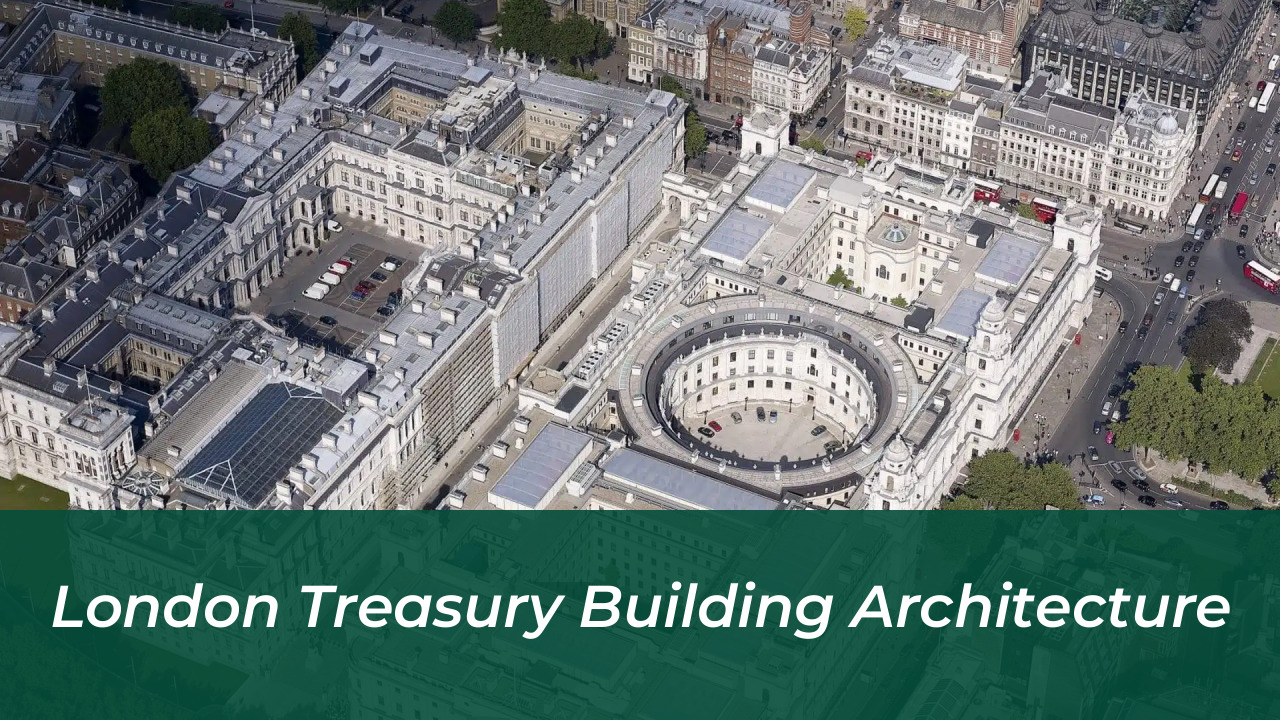
Clash between populist cost-of-living relief measures and rigid Treasury fiscal parameters overseen by Chancellor John Healey creates immediate cabinet friction. Early proposals for energy bill reductions and lower public transit fares collide directly with the cold math of government debt reduction targets.
Key Economic Pressures Facing the Administration
Stagnant household disposable incomes and rising everyday costs continue to squeeze middle and lower-income families across the United Kingdom. Decades of low productivity growth mean that nominal wage increases are routinely wiped out by inflation, leaving consumers with less purchasing power.
Infrastructure funding demands span critical sectors including social care, public transport integration, and green energy transitions. Decades of underinvestment leave public services strained and prone to operational failures, requiring massive capital injections that clash with fiscal conservatism.
Balancing public sector wage demands with strict spending caps presents an ongoing industrial relations test. Persistent friction across health, education, and transport sectors requires delicate negotiations to avoid damaging strikes without breaking Treasury spending limits.
Manchesterism and the Philosophy of Devolution
Origins of Manchesterism trace back to a business-friendly socialism developed during Burnham’s tenure as Greater Manchester mayor. This pragmatic philosophy seeks to temper free-market capitalism with strong public services, regional autonomy, and active municipal leadership.
Decentralization of executive power away from Whitehall to regional authorities forms the bedrock of this governance model. By shifting decision-making closer to local communities, the administration aims to design policies that reflect specific regional needs rather than imposing one-size-fits-all mandates from London.
Scaling municipal infrastructure success models, such as the Bee bus network, to a national level proves that local governments can manage complex operations efficiently. Burnham aims to replicate this success across other utility sectors.
A cabinet taskforce led by Louise Haigh examines public control across housing, energy, water, and transport. This group evaluates practical mechanisms for bringing vital infrastructure back under public stewardship without triggering massive financial liabilities.
Contrasting Approaches to Economic Reform
- Radical Structuralists: Advocating for the end of 40 years of neoliberalism through sweeping nationalization and public utilities ownership.
- Centrist Modernizers: Focusing on administrative capacity, streamlining planning regulations, and encouraging market startups.
- Communitarian Devo-Wonks: Empowering local communities through thoroughgoing devolution of tax and service delivery powers.
Table: Economic Reform Factions Within the Administration
| Policy Camp | Core Philosophy | Proposed Mechanism |
|---|---|---|
| Radical Structuralists | End 40 years of neoliberalism | Nationalization and public ownership of essential utilities |
| Centrist Modernizers | Restore administrative capacity | Streamline planning regulations and encourage market startups |
| Communitarian Devo-Wonks | Empower local communities | Devolution of tax and service delivery powers |
Internal Party Dynamics and Cabinet Realignment
Cabinet appointments successfully balance left, center, and regional factions of the Labour Party. Senior figures occupy vital ministerial portfolios, ensuring that ideological diversity prevents internal rebellion while maintaining a unified front against political opponents.
Establishment of No 10 North in Manchester challenges traditional London-centric Treasury bureaucracy. This physical decentralization of power serves as a permanent reminder that regional voices hold equal weight in national policymaking.
Political risks associated with regional devolution remain a silent threat. Granting substantial fiscal powers to local leaders means that opposition politicians, including populist mayors from rival parties, might exploit those powers to undermine national objectives.
The Test of Reality
Preparing for rigorous legislative scrutiny following the initial political honeymoon period requires discipline and strategic foresight. Parliament will soon demand concrete legislative results to match the optimistic rhetoric of the conference season.
Challenges of reversing four decades of political centralisation and economic privatisation are immense. Decades of institutional inertia cannot be dismantled overnight, and civil service resistance remains a constant hurdle for reform-minded ministers.
Evaluating whether Manchesterism can survive Treasury constraints and aggressive populist opposition will define the success of this administration. If Burnham can bridge the gap between regional aspirations and national fiscal reality, he may permanently alter the trajectory of British politics.
Frequently Asked Questions
Who is the current Prime Minister of the United Kingdom?
Andy Burnham assumed office as Prime Minister on July 20, 2026, following the resignation of Keir Starmer.
What is Manchesterism?
Manchesterism is a pragmatic political philosophy combining business-friendly socialism, strong public services, and regional municipal autonomy.
How did Andy Burnham re-enter Parliament?
Burnham secured his return to Westminster by winning the Makerfield by-election in May 2026 after Josh Simons resigned.