
Apple continues its long-term investment in the global music industry by launching Apple Music Hall, a state-of-the-art 600-capacity live venue located inside its UK headquarters at Battersea Power Station. Designed to bridge the gap between intimate live performances and broadcast-quality production, this custom-built facility redefines how artists capture and distribute concert experiences.
- Introduction to Apple Music Hall
- Architectural Integration at Battersea Power Station
- Stage Design and Spatial Audio Infrastructure
- The 38-Foot Modular Stage
- Next-Generation Spatial Sound
- Comprehensive On-Site Production and Broadcast Capabilities
- Integrated Recording and Mix Studios
- Multi-Angle Visual Capture
- Relocation of Apple Music Radio London Studios
- Technical Specifications of Apple Music Hall
- Strategic Business Objectives Behind the Venue
- Reviving Apple’s Live Music Heritage in London
- Economic and Community Impact on Battersea
- Comparative Analysis: Apple Music Hall vs. Traditional Intimate Venues
- Future Outlook for Apple’s Live Content Strategy
- Frequently Asked Questions
- What is the seating capacity of Apple Music Hall?
- Where is the new venue located?
- What audio technology does the venue use?
- When did Apple Music Hall open?
Introduction to Apple Music Hall
Apple is opening a permanent 600-seat live music and broadcast venue inside its UK headquarters at Battersea Power Station. The scheduled grand opening on September 28, 2026, features an exclusive performance by Elton John, marking a major milestone for live entertainment in London.
This initiative sets a strategic context by bridging the gap between intimate live performances and broadcast-quality spatial audio production. Instead of treating live events and studio recordings as separate entities, Apple combines them under one roof to create a seamless creator ecosystem.
Architectural Integration at Battersea Power Station
The new venue occupies a distinct footprint within the historic Battersea Power Station along the River Thames, where Apple established its UK corporate campus in 2022. Architectural designs respect the structure’s industrial heritage by incorporating exposed heritage brickwork, fluted arches, and bronze balconies that echo the original oriel windows.
A massive glass wall connects the interior of the hall to the public concourse, offering visitors panoramic views of the river and the surrounding historical grounds. This transparent design invites the public eye into the building while maintaining a secure operational environment for artists and production teams.
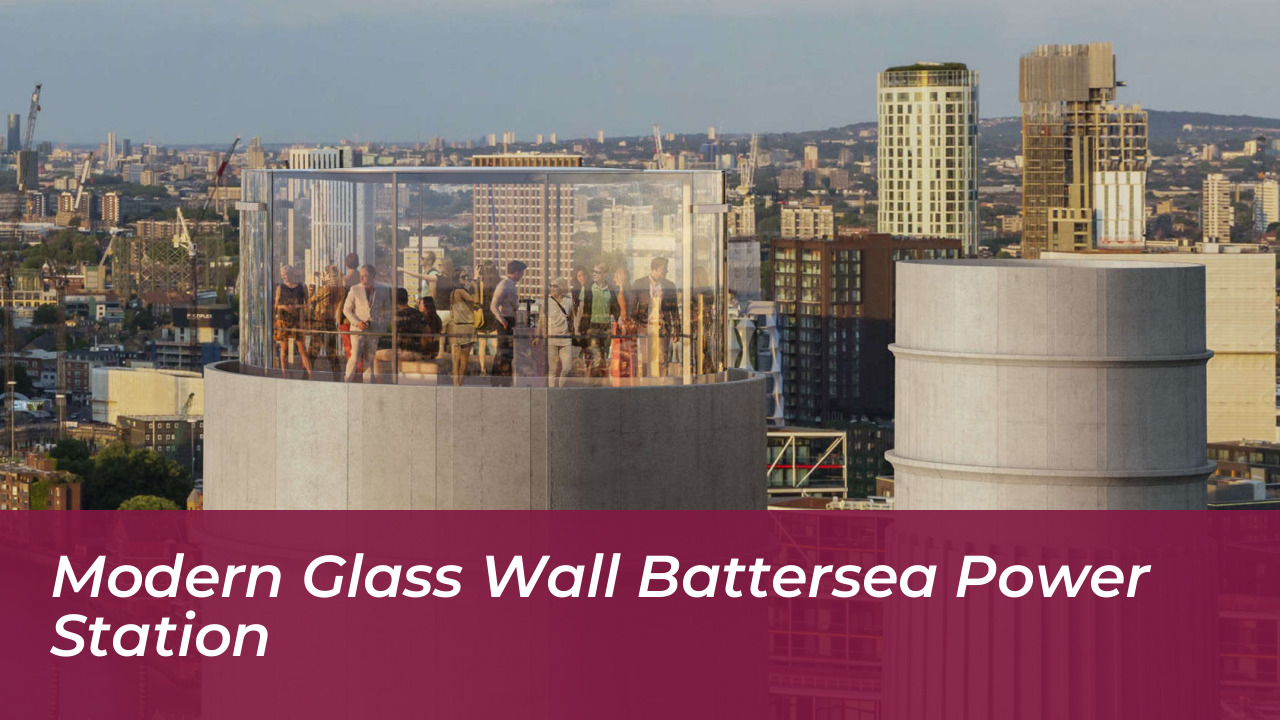
Maintaining the balance between industrial preservation and modern acoustic requirements demanded specialized engineering. Designers lined the interior walls with acoustic dampening materials disguised behind historic brick motifs, ensuring exterior noise from the bustling development does not interfere with high-end audio recording sessions.
Stage Design and Spatial Audio Infrastructure
The 38-Foot Modular Stage
At the center of Apple Music Hall sits a 38-foot-wide modular stage engineered to support everything from minimalist acoustic sets to full-scale rock arrangements. The physical footprint adapts rapidly to changing production demands without requiring extensive structural overhauls.
The stage configuration rotates and scales to accommodate traditional front-facing performances or 360-degree in-the-round experiences where the audience surrounds the artist. This flexibility allows directors to tailor the visual geometry of the room to match the artistic vision of each unique performer.
Next-Generation Spatial Sound
Audio engineering stands out as the venue’s core technical achievement. The hall features a 48-speaker spatial sound system positioned strategically around the seating bowl.
This setup allows performers to mix live audio in Dolby Atmos, giving the 600-seat audience an immersive acoustic experience that replicates studio-grade headphone listening within a live performance room. Every seat receives balanced acoustic distribution without muddy reflections or dead zones.
Comprehensive On-Site Production and Broadcast Capabilities
Integrated Recording and Mix Studios
Unlike standard music venues that require traveling recording trucks and temporary rigging, Apple Music Hall functions as an end-to-end production facility. Behind the main stage, two dedicated recording and mix studios operate to professional broadcast standards.
Engineers can capture multitrack audio feeds during any performance for immediate live mixing or post-production refinement. This architecture eliminates the traditional barriers between tracking a live show and finalizing a commercial album release.
Multi-Angle Visual Capture
Visual capture matches the audio capabilities step for step. The venue comes hardwired with 16 professional broadcast cameras linked directly to a dedicated control room.
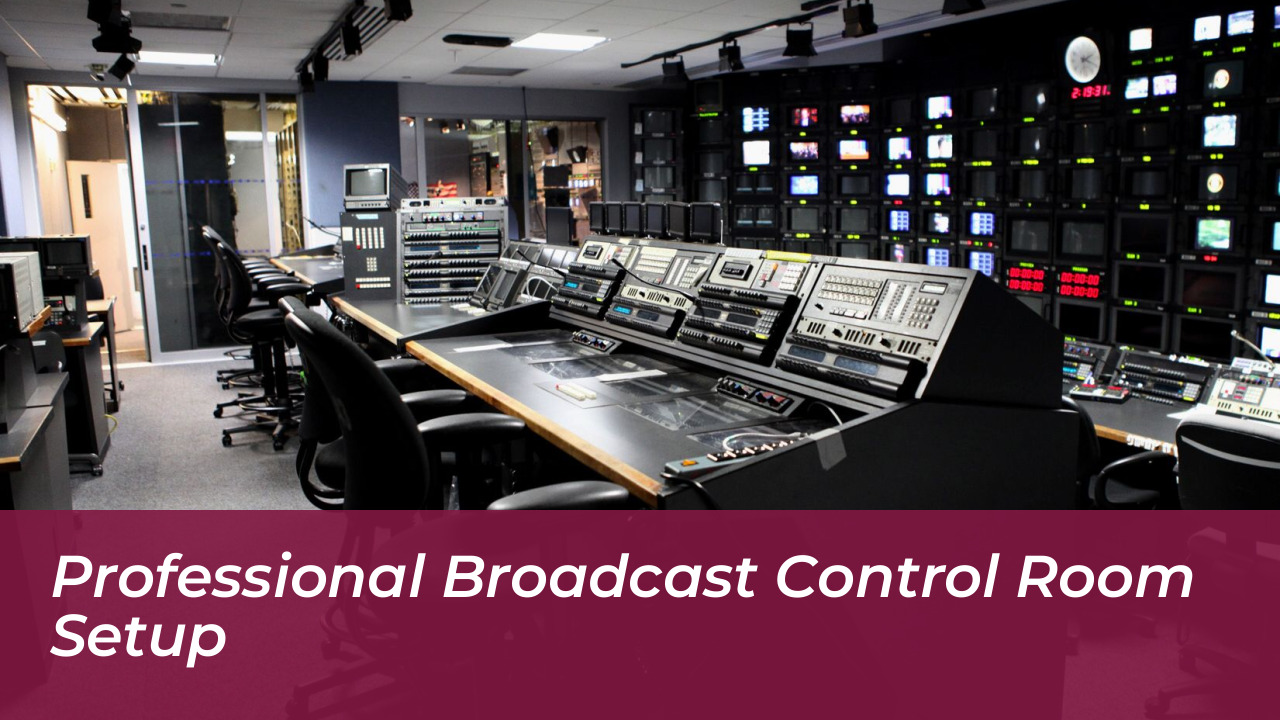
The infrastructure supports synchronized iPhone video capture running alongside traditional broadcast equipment, allowing creators to produce multi-angle social media content and high-definition global livestreams simultaneously.
Relocation of Apple Music Radio London Studios
The opening of Apple Music Hall coincides with the relocation of Apple Music Radio’s London operations. All UK-based hosts, shows, and live broadcasts are moving from their former King’s Cross location into new, purpose-built studios inside the Battersea Power Station complex.
This consolidation places global artist interviews, album premieres, and 24/7 radio programming directly adjacent to the performance hall. Broadcasters can seamlessly transition artists from the live stage into radio interview booths, streamlining content creation for Apple Music 1.
Artists confirmed for upcoming performances alongside Elton John include Charli xcx and Burna Boy, signaling that the venue will host a diverse roster of global chart-toppers across multiple genres.
Technical Specifications of Apple Music Hall
The facility integrates elite hardware across sound, video, and stage architecture to support demanding broadcast schedules. The following specification table outlines the core technical metrics of the venue:
| Feature | Specification |
|---|---|
| Seating Capacity | 600 guests |
| Stage Width | 38 feet (modular and reconfigurable) |
| Spatial Sound System | 48-speaker Dolby Atmos setup |
| Broadcast Cameras | 16+ hardwired cameras with iPhone sync |
| Recording Facilities | 2 dedicated professional mix and recording studios |
| Opening Date | September 28, 2026 |
Strategic Business Objectives Behind the Venue
Apple’s investment in a physical concert venue serves a clear commercial strategy within the crowded music streaming market. Competitors like Spotify rely entirely on software distribution, but Apple continues to leverage hardware integration and exclusive content to differentiate its platform.
By owning the venue and its production infrastructure, Apple controls the entire supply chain of live content creation. Artists can perform an intimate show for 600 fans and leave the building with a finalized Spatial Audio album, a broadcast-ready mix, and multi-angle video files generated from a single evening.
Exclusive rights to stream these performances worldwide provide Apple Music subscribers with unique value that competing platforms cannot replicate without third-party licensing agreements.
Reviving Apple’s Live Music Heritage in London
The launch of Apple Music Hall marks a return to physical music festivals and live events for the tech giant. A decade ago, Apple hosted the iTunes Music Festival primarily at the Roundhouse in Camden, offering free tickets to fans through lottery systems before concluding the series in 2016.
Establishing a permanent home in London gives Apple a year-round engine for original programming rather than relying on temporary festival structures. This continuity allows production crews to refine workflows and deliver consistent high-tier content to global subscribers.
Economic and Community Impact on Battersea
The introduction of a high-profile music venue alters the local economic landscape of Nine Elms and Battersea. When the historic power station underwent its multi-billion-pound restoration, planners intended the development to serve as a mixed-use cultural hub. Apple’s presence anchors that vision, drawing international media attention and tourism to the south bank of the Thames.
Local businesses in the Battersea Power Station retail complex anticipate increased foot traffic during performance nights. Because ticket holders will number exactly 600 per show, the venue avoids the massive crowd control challenges associated with 20,000-capacity arenas while still generating substantial evening commerce for nearby restaurants and transport links.
Comparative Analysis: Apple Music Hall vs. Traditional Intimate Venues
Traditional music venues seating 500 to 1,000 people, such as London’s historic club circuit, often struggle with aging infrastructure, poor sightlines, and inadequate acoustic treatment. Independent operators frequently outsource recording and streaming capabilities, renting mobile broadcast units at high costs for special events.
Apple Music Hall eliminates these friction points by baking enterprise-grade broadcast technology directly into the building’s architecture. The integration of 48 spatial speakers and a dedicated fiber-optic backbone ensures zero-latency global transmission and broadcast-studio production values without the logistical overhead of temporary gear setups.
Future Outlook for Apple’s Live Content Strategy
Scaling original programming remains a top priority, with frequent live-streamed sessions serving as a primary content engine for the global catalog. By turning routine album releases into major live broadcast events, Apple creates continuous engagement loops for its subscriber base.
Industry analysts are already evaluating the Battersea installation as a potential blueprint for localized creator hubs worldwide. If successful, similar venues could emerge in other major global music capitals, cementing Apple’s physical footprint in the creation of modern audio content.
Frequently Asked Questions
What is the seating capacity of Apple Music Hall?
Apple Music Hall accommodates exactly 600 guests for intimate live performances and broadcast events.
Where is the new venue located?
The venue is located inside Apple’s UK headquarters at the historic Battersea Power Station along the River Thames in London.
What audio technology does the venue use?
The venue features a custom 48-speaker spatial sound system designed specifically for live Dolby Atmos mixing.
When did Apple Music Hall open?
The grand opening took place on September 28, 2026, with an exclusive performance by Elton John.