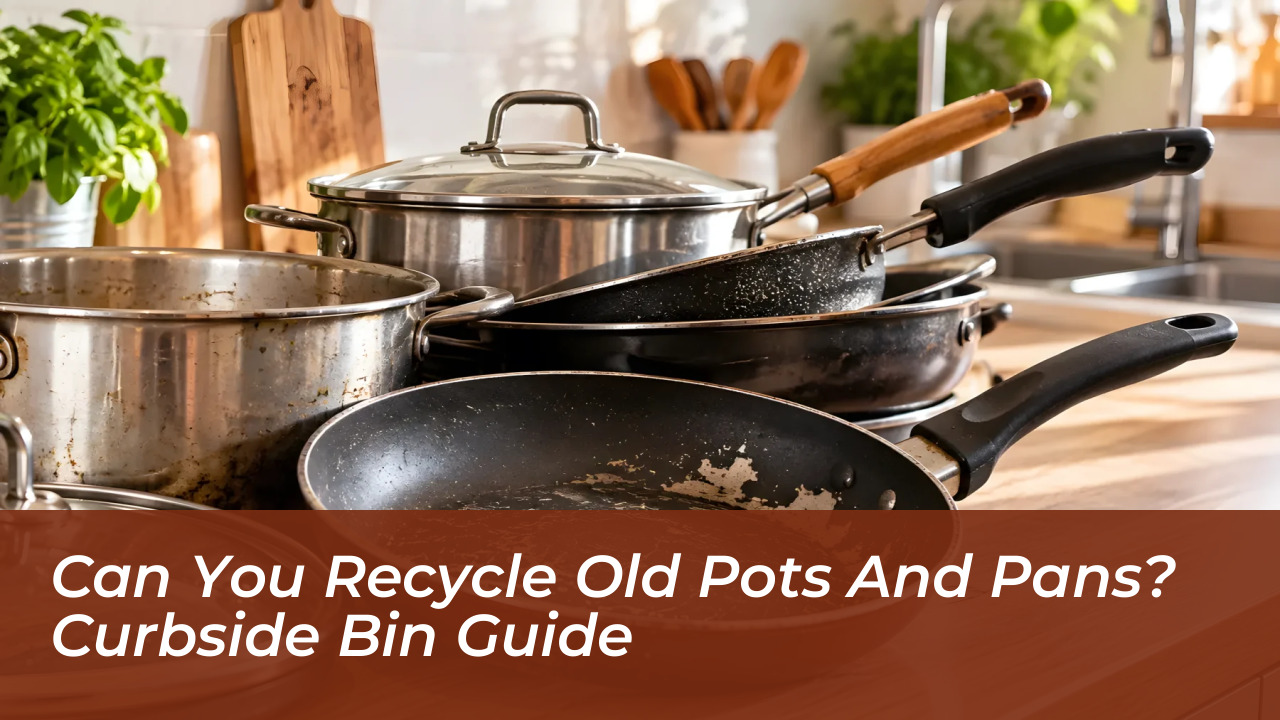
Old pots and pans should almost never go into household curbside recycling bins. Residential programs are specifically designed for packaging containers rather than durable goods. When a non-stick frying pan loses its coating, a skillet warps, or a stainless steel stockpot reaches the end of its life, the safest destination is a local municipal drop-off facility or designated metal scrap collection point. While everyday cookware is made of high-value raw materials like aluminum, stainless steel, copper, and cast iron, treating a sauté pan like a soda can causes severe disruptions at standard sorting facilities. The distinction between packaging and durable hardware dictates how materials move through recovery streams.
The Packaging Paradox: Why a Frying Pan Is Not a Soda Can
Most curbside recycling infrastructure relies on systems configured to handle container packaging. Organizations dedicated to aluminum stewardship, such as the CIAL, emphasize that aluminum is a permanent material capable of being recycled indefinitely with immense energy savings. However, these recovery networks are built to sort thin, standardized packaging items like beverage cans, foil trays, food tins, aerosol containers, and bottle caps.
A saucepan is a durable household object, not single-use packaging. Even though the underlying metal retains industrial value, its physical density, weight, and mixed-material construction prevent mechanical optical sorters and eddy-current separators from handling it properly. Tossing heavy cookware into a standard household bin risks damaging sorting machinery or contaminating clean packaging commodities. Durable metal goods require different sorting channels than consumer packaging, meaning scrap drop-off facilities remain the correct route for solid metal cookware. While some local jurisdictions occasionally permit small metal scrap in domestic bins, doing so without explicit local authorization usually results in the entire item ending up in a landfill. The default standard for spent cookware remains your community convenience center or scrap metal recovery yard.
What About Non-Stick, Ceramic, and Cast Iron Cookware?
Non-stick skillets create the most confusion among home cooks trying to practice responsible waste disposal. The inner cooking surface features a synthetic non-stick barrier, ceramic-look treatment, or stone-effect coating engineered to resist high cooking temperatures and prevent food adhesion. Fortunately, a degraded non-stick layer does not automatically condemn a metal pan to the standard trash bin.
Industrial recovery operations process the core metal body-typically heavy-gauge aluminum or steel-by melting the item at temperatures high enough to burn off superficial coatings. The valuable base metal is then recovered and repurposed into new alloys. Vessels made entirely of ceramic, stoneware, or terracotta follow a different rule. Unlike metal pans with mineral coatings, solid ceramic pots cannot be processed through metal foundries and must never be sorted alongside scrap metal. Heavy metals like cast iron and pure copper demand specific handling due to physical heft. Cramming a five-quart cast iron Dutch oven into a residential container is counterproductive and hazardous to collection workers. Bulky, heavy kitchenware should always be transported directly to a municipal bulk drop-off location.
Lids, Handles, and Mixed Materials
Cookware rarely consists of a single element. Many pans feature plastic, silicone, or wooden handles secured by hardware, while stockpots frequently pair with tempered glass covers.
- Removable Handles: If a heat-resistant plastic or composite handle unscrews easily, remove it before taking the metal body to a drop-off site. If it is riveted or firmly stuck, leave it intact; processing facilities can shred and isolate structural attachments downstream.
- All-Metal Lids: Metal lids follow the exact same path as the pots themselves and can be placed in municipal scrap metal bins.
- Glass Lids: Tempered cookware glass melts at completely different temperatures than bottle glass. Never toss a glass lid into curbside bottle and jar bins, as it will ruin the glass recycling batch.
Cookware Disposal and Recycling Quick Reference
Consult this breakdown to determine where specific items belong when they reach the end of their lifecycle:
- Aluminum / Non-stick Pans: Municipal scrap metal collection site or civic drop-off center.
- Cast Iron & Stainless Steel Pots: Scrap metal drop-off or professional metal salvager.
- Tempered Glass Lids: Local transfer station glass bin (never curbside packaging glass).
- Pure Ceramic / Terracotta Bakeware: General household trash or inert construction waste drop-off.
Preparation and Upcycling Before Discarding
Before loading used cookware into your vehicle for transport to a recycling center, simple preparation makes the process cleaner and safer:
- Clear Out Food Residue: Scrape away all solid food, grease, and heavy cooking residues. Emptying remnants prevents pest attraction and container contamination.
- Check Hardware Stability: Confirm whether the item is truly broken beyond repair. In many cases, a wobbly handle simply requires tightening a single screw.
- Assess Donation Opportunities: If the metal base is unwarped and the surface remains food-safe, local thrift shops, shelters, or community kitchens can extend the item’s operational life.
- Repurpose Creative Containers: A retired deep pan or stockpot with cosmetic flaws makes an excellent rust-resistant outdoor planter, tool caddy, or workshop organizer.
Preventing waste entirely through maintenance, component replacement, or repurposing delivers a greater environmental benefit than raw material recycling. When replacement becomes unavoidable, routing your durable cookware to the proper municipal metal bin ensures those valuable alloys remain in productive circulation.
Check your local municipality’s scrap metal rules to verify exact drop-off locations near you. Inspect your pans before tossing them to see if a quick handle fix could give them a second life. Keep tempered glass and solid ceramics out of packaging bins to avoid contaminating clean glass streams.
Frequently Asked Questions
Can I put old pots and pans in my curbside recycling bin?
No. Standard curbside recycling programs are designed exclusively for packaging containers like aluminum cans and plastic bottles. Pots and pans are durable goods that are too heavy and bulky, risking damage to sorting machinery at material recovery facilities.
Are non-stick pans accepted at scrap metal yards?
Many scrap metal facilities accept aluminum or steel non-stick pans because industrial smelting temperatures burn off the chemical coatings. However, policies vary by yard, so it is recommended to call ahead and verify whether they accept coated cookware.
What should I do with a glass pot lid?
Never place glass pot lids into curbside glass recycling bins. Tempered cookware glass has a significantly higher melting point than container glass and will ruin a batch of recyclable bottles. Dispose of them via local transfer stations or general household waste if broken.
Can I recycle cast iron skillets?
Yes, cast iron is exceptionally recyclable and in high demand at scrap metal yards. Due to its extreme weight, it must never be placed in residential curbside bins, as it can easily crush sorting equipment or injure sanitation workers.
Should I remove plastic handles before recycling pots?
If the handles are attached with standard screws, removing them with a screwdriver is encouraged by many scrap yards to separate the non-metal material. If the handles are riveted firmly in place, leave them attached for the facility to process downstream.