
Global technology stocks extended their losses as rising borrowing costs, stronger-than-expected inflation figures, and growing competition from Chinese manufacturers combined to undermine investor confidence in artificial intelligence investments. The Nasdaq Composite fell 1.2% shortly after the opening bell, following its steepest single-session decline since July. The sell-off hit semiconductor manufacturers and artificial intelligence infrastructure companies particularly hard across global markets.
Among the hardest-hit U.S. equities, cloud infrastructure provider CoreWeave dropped 7% following a 15.5% plunge during the previous session. Dell shares fell 8% after losing 11% earlier in the week, while Nvidia declined 3%, extending its retreat to 10% from a record high reached earlier in October. The broader S&P 500 fell 0.4% at the opening bell, reflecting widespread caution across equities.
Drivers Behind the Global Tech Rout
Neil Wilson, a strategist at investment bank Saxo, pointed to multiple overlapping pressures weighing on technology shares. These factors include elevated equity valuations, persistent inflation, rising interest rates, and growing uncertainty regarding the financial returns on massive capital expenditures funneled into artificial intelligence infrastructure.
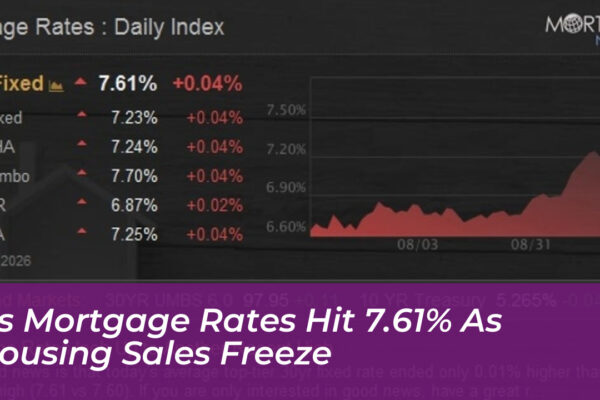
The downturn followed the release of U.S. consumer price data showing a larger-than-anticipated increase in September inflation. The stronger figures heightened expectations that the Federal Reserve could implement further interest rate hikes, driving U.S. Treasury yields above 5% and prompting investors to reassess riskier tech assets in favor of safer debt instruments.
Dan Ives, a tech analyst at Yorkville Ives, noted that the pullback reflects mounting scrutiny over the costs associated with debt-funded data center and hardware expansions. However, Ives emphasized that underlying consumer demand for AI computing power remains fundamentally robust.
Higher yields raise the cost of financing these builds, and investors are right to focus on balance sheets and contract structure, but rates are a financing question, not a demand question, Ives said.
International Markets Feel the Impact
The sell-off in technology hardware stocks quickly rippled across Asia and Europe. In South Korea, chip giant SK Hynix plunged more than 10%, while rival Samsung Electronics dropped 8.73%. Additional domestic suppliers also faced heavy selling pressure, including LG Innotek, which sank 8.95%, and Seoul Semiconductor, which shed 9.28%.
In Japan, technology investment conglomerate SoftBank Group tumbled 7.9%. Semiconductor testing equipment maker Advantest plunged nearly 14%, and Tokyo Electron lost 6.45%. Taiwan Semiconductor Manufacturing Company, the world’s largest contract chipmaker, dropped 1.81% despite reporting record quarterly profits.
Across Europe, Dutch semiconductor giant ASML dropped 5.2%, Infineon Technologies shed 8.2%, and ASM International fell 8.6%. Market participants pointed to concerns regarding potential memory chip oversupply by 2029 as manufacturers rapidly scale up production to satisfy surging computational demands.
Intensifying Competition and Financing Headwinds
Adding to market anxiety, competitive pressures intensified as alternative chip architectures emerged from international players. China’s ChangXin Memory Technologies recently announced a technical breakthrough on a new memory architecture designed to boost density by packing more data into a smaller physical space.
Additionally, prominent industry executives have begun voicing concerns over financing structures. Chief executives of Broadcom and Intel warned that capital availability could emerge as a greater bottleneck to artificial intelligence expansion than physical shortages of advanced silicon chips or electrical power supplies.
While industry giants like Anthropic reported strong quarterly revenue growth and TSMC posted record net profits of NT$763.06 billion-up 69% year-on-year-investor sentiment remains tightly bound to macroeconomic indicators and borrowing costs as policy meetings approach.