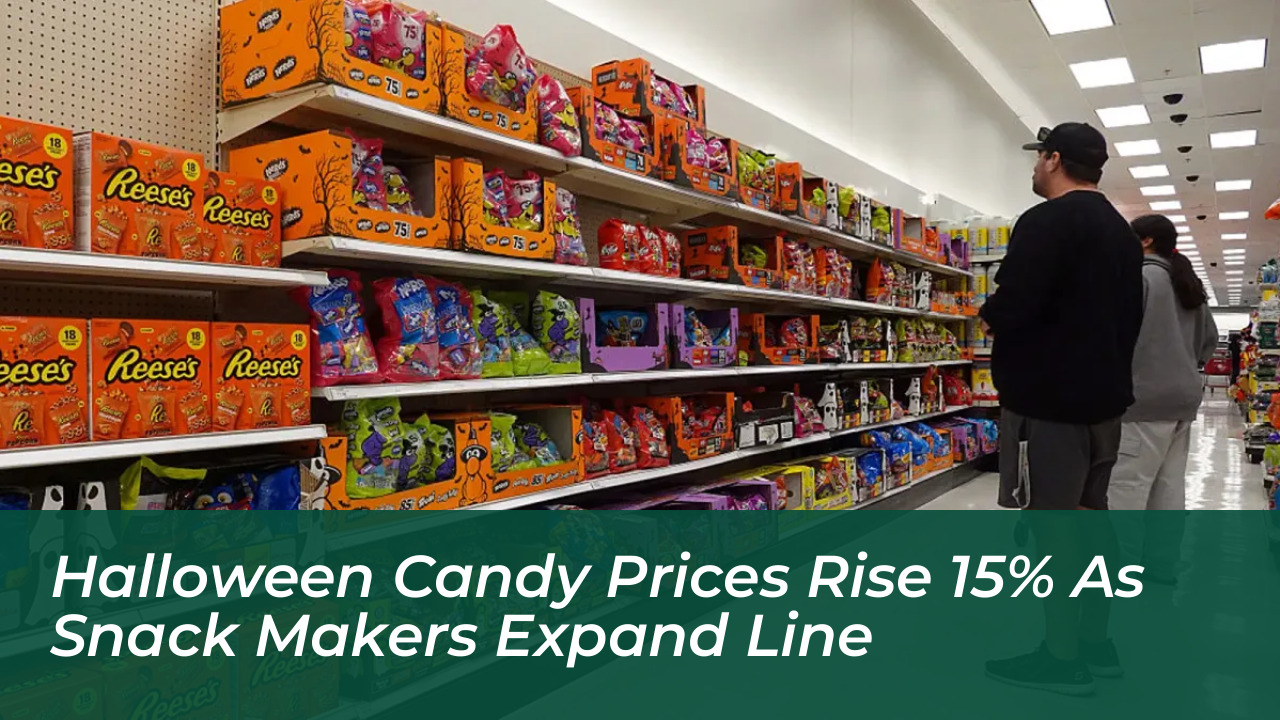

Halloween treats have become significantly more expensive. Recent economic analysis shows that candy prices surged an average of 15% over the past year. This increase is four times the national rate of inflation. It puts renewed pressure on household budgets as families prepare for trick-or-treating and seasonal festivities.
The price spikes have triggered changes in consumer shopping habits. They have also prompted confectionery manufacturers to adjust their strategies, raise prices, and expand their seasonal product lines to include alternative options such as salty snacks.
The Surge in Halloween Candy Prices
Data compiled by progressive economic policy think tanks Groundwork Collaborative and The Century Foundation indicates that festive chocolate and sweets face unprecedented cost pressures. According to their findings, specific popular items have seen dramatic retail jumps. For instance, Mondelēz International’s sour gummy candy variety packs rose 39% to an average of $4.20. Meanwhile, seasonal peanut butter cups from The Hershey Company climbed 23% to an average of $8.23.
Broader industry studies reinforce these findings. An analysis by FinanceBuzz revealed that the cost of a standard 100-piece bulk bag of assorted Halloween candy reached $16.96. This marks a 71% increase since 2021. While overall national inflation sat at 22% over that same five-year timeframe, candy price increases rapidly accelerated between 2023 and 2026. This added $5.36 to the average bulk bag price in just three years.
Input Costs, Supply Disruptions, and Corporate Margins
Industry experts point to a combination of historical input cost pressures and shifting supply chain expenses behind the retail inflation. The Bureau of Labor Statistics notes that cocoa beans, sugar, and corn syrup account for roughly 65% of confectionery ingredient costs. Severe climate conditions in West African cocoa-growing regions previously caused historic shortages. This drove up raw cacao prices by roughly 144% between December 2019 and November 2024.
However, recent reports highlight a disconnect between wholesale commodities and retail tags. While raw cocoa prices receded from their peaks, and wholesale sugar and corn syrup prices dropped by 10% and 4% respectively, major confectioners have maintained elevated retail pricing. Analysts from Groundwork Collaborative argue that companies are utilizing the high-cost environment to pad their profit margins. Financial filings show that major manufacturers like Hershey and Mondelez posted strong gross margins in 2026. This occurred even after they received multi-million-dollar tariff refunds following legal adjustments to emergency tariff authorities.
In response to these allegations, representatives for The Hershey Company defended their pricing structure. A company spokesperson stated that the firm faced severe increases across ingredients, packaging, manufacturing, and transportation. However, they intentionally absorbed a portion of those expenses rather than passing the full burden onto consumers. Hershey emphasized that over 75% of its U.S. confection portfolio remains available for less than $4.
How Consumers Are Responding to Cost Pressures
Faced with escalating grocery bills, consumers are actively altering their purchasing behavior. NielsenIQ data cited by Bank of America indicates that chocolate candy sales volumes fell 8.6% year-over-year during the fall shopping period, even as average prices and product mixes rose. To cope with these trends, shoppers are increasingly opting for private-label brands, smaller package sizes, or alternative holiday treats.
Financial surveys underscore the financial strain of the holiday season. A LendingTree study found that 35% of consumers shopping for Halloween planned to skip buying candy entirely. Additionally, one-quarter of Americans-and 40% of parents with children under 18-reported expecting to take on debt to finance their Halloween celebrations. This includes costs for costumes, decorations, and expensive treats.
Snack Makers Expand Halloween Offerings
To capture budget-conscious shoppers and mitigate the impact of soaring cocoa prices, confectionery and snack manufacturers are actively expanding their seasonal portfolios beyond traditional chocolate and sweets. Food brands are introducing diverse holiday-themed multipacks featuring pretzels, popcorn, cheese crackers, and savory snack-size mixes.
By diversifying their seasonal lineups, snack makers offer consumers lower-cost alternatives to expensive chocolate items. This helps maintain sales volume while meeting shifting household preferences during periods of persistent food inflation.
Tips for Managing Holiday Budgets
Financial experts and consumer advocates suggest several strategies for families hoping to celebrate Halloween without overspending:
- Compare Retailers: Research prices across regional grocers, pharmacies, and bulk warehouse clubs like Costco or Sam’s Club before making bulk purchases.
- Set a Strict Budget: Estimate the typical number of expected trick-or-treaters in advance to avoid over-buying excess inventory.
- Explore Non-Candy Alternatives: Incorporate cost-effective non-food treats, stickers, or bulk snack-size pretzels into hand-outs.
- Save on Costumes: Reduce overall holiday expenses by making DIY costumes at home or reusing outfits from previous years.