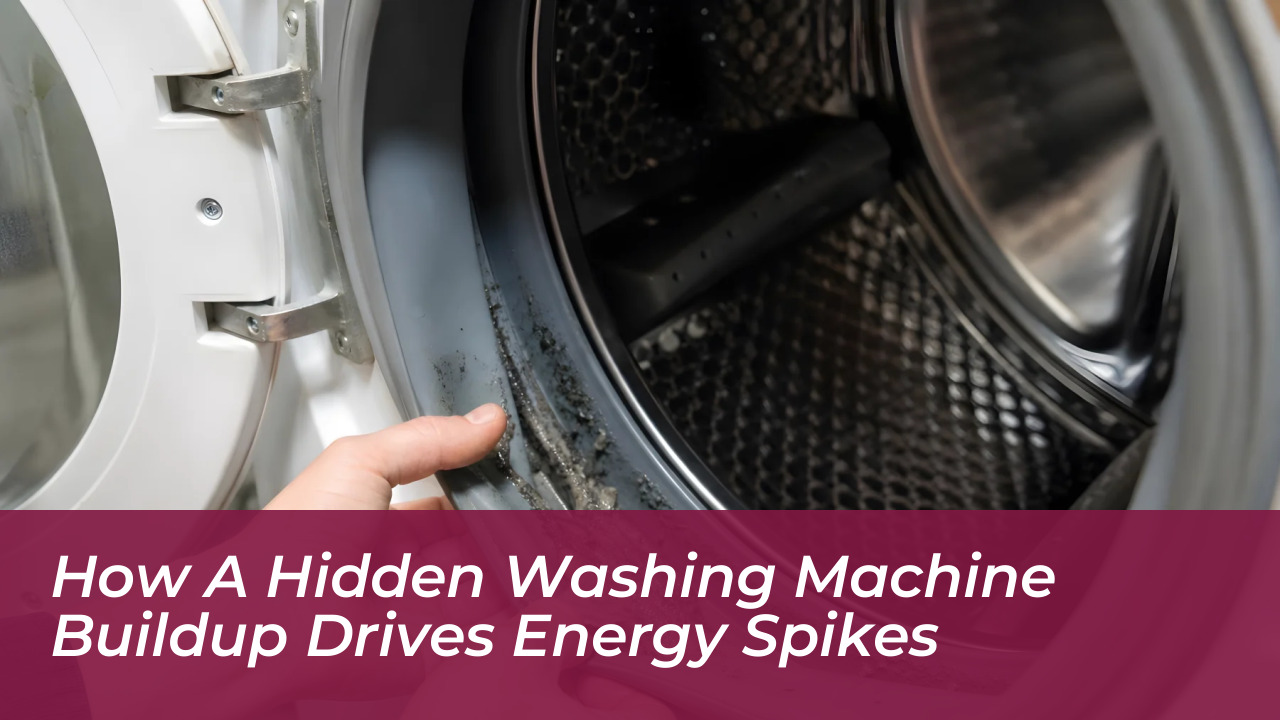
A hidden layer of limescale and detergent residue inside your washing machine can trigger a double-digit percentage spike in energy consumption per cycle. This drives up utility costs without displaying a single error code. This mineral blanket insulates the heating element, forcing the appliance to draw excess wattage for prolonged periods just to reach standard temperatures. Understanding how this silent buildup accumulates is the first step toward reclaiming peak energy efficiency.
Due to high traffic on this story, please verify you are not a bot to instantly unlock the remaining content. Takes only 5 seconds!
Verify & Continue ReadingEvery time you run a load of laundry, dissolved minerals from tap water mix with garment oils and undissolved laundry detergents. Over months of routine use, this slurry solidifies across the outer drum, inside drainage hoses, and directly over the heating element. The resulting crust forms a thick, porous barrier that behaves like an insulating jacket over critical metal components. Because the heating assembly must transfer thermal energy through this hardened sediment, water heating takes significantly longer than engineered specifications allow. In addition to driving up electrical demand, this residue creates an ideal breeding ground for bacterial biofilm, which traps stale odors and causes excess suds that demand additional rinse cycles.
«Limescale acts like putting a heavy wool sweater over the heating element, forcing the machine to fight against its own components.»
Why Internal Buildup Dramatically Inflates Energy Consumption
Water heating represents the vast majority of electricity consumed during a standard warm wash cycle. When limescale insulates the heating element, heat transfer from metal to water drops sharply. This compels the system to pull sustained electrical power for far longer to reach target temperatures like 104°F to 140°F (40°C to 60°C). Over an entire year of regular household laundry, that extended run time translates into substantial, wasted kilowatt-hours.
The problem deepens when scale encapsulates internal temperature sensors. An insulated sensor misreads the actual water temperature, signaling the control board that the basin is still too cold. The appliance continues heating water past the necessary threshold, stretching runtimes and accelerating mechanical wear on the motor and drain pump. Restricted water circulation compounds these efficiency losses. When a partially blocked drain pump filter slows intake and drainage, the appliance expends additional power attempting to evacuate water. This sets off a compounding cycle: extended heating cycles create longer run times, which in turn wear out internal components prematurely.
Warning Signs Your Appliance Is Struggling
Washing machines rarely alert owners to mineral buildup through diagnostic codes on the digital display. Instead, performance bottlenecks surface through subtle physical and operational shifts during everyday use:
- Extended cycle times: Wash programs run noticeably longer than their initial digital estimates, especially on cycles between 104°F and 140°F (40°C to 60°C).
- Lukewarm wash water: Garments emerge without proper thermal exposure despite selecting a warm or hot setting.
- Persistent sour or musty odors: Clothing retains a stale smell right after washing, or visible gray residue clings to rubber components.
- Excessive suds and extra rinsing: The drum retains stubborn foam near the end of a cycle, triggering automatic compensatory rinses.
- Unusual vibrations or pump strain: The machine struggles with drainage or vibrates abnormally toward the final spin phase.
Common Laundry Misconceptions vs. Mechanical Reality
Many homeowners believe that using more laundry detergent ensures cleaner clothes, especially when garments carry heavy soil or gym sweat. In reality, modern concentrated detergents require precise measurement. Using excess soap creates a lingering foam blanket that cushions fabric friction and leaves sticky residues inside hidden mechanical chambers.
Another widespread assumption is that cold-water washing eliminates appliance maintenance needs entirely. While cold cycles save immediate energy, continuous low-temperature washing fails to dissolve fatty body oils and surfactant buildup. This allows bacterial slime to coat internal pipework over time.
Operational Factor Appliance Impact & Efficiency Effect
- Limescale on Heating Element: Insulates metal surfaces, leading to double-digit increases in electricity consumption per cycle.
- Excess Detergent Dosing: Generates surplus foam, triggering automated extra rinse phases and depositing fatty films.
- Clogged Pump Filter: Restricts drainage flow, prolonging total cycle time and placing mechanical stress on the motor.
- Scale-Covered Temp Sensor: Causes false cold readings, prompting the machine to overheat water past programmed settings.
A Practical Step-by-Step Restoration Routine
Restoring appliance flow and heat transfer does not require expensive specialized servicing. Routine deep cleaning clears stubborn washing machine buildup and recalibrates thermal performance using simple, accessible household maintenance methods.
- Clear the drain pump filter: Unplug the unit from the wall outlet for safety. Open the lower front service flap, set a shallow tray or towel beneath the drain tube, release excess water, and unscrew the cylindrical filter to pull out trapped lint, coins, and foreign debris.
- Run a high-temperature maintenance cycle: Pour 3.5 to 5 ounces (100 to 150 grams) of food-grade citric acid or a dedicated commercial descaler directly into the empty wash drum. Select a cycle running between 140°F and 194°F (60°C to 90°C) and let it complete fully to strip away mineral scale without corroding rubber seals.
- Sanitize the rubber door gasket: Manually wipe down the folds of the door boot using a damp cloth paired with a mild household cleaner to eliminate trapped moisture, hair, and slimy deposits.
- Calibrate detergent measurements: Review detergent packaging dosing tables against local municipal water hardness levels to prevent over-sudsing in future loads.
+
Adjusting Habits for Hard Water Conditions
Homes supplied with hard water experience mineral accumulation at accelerated rates. When tap water contains elevated levels of dissolved calcium and magnesium, limescale hardens across heating elements within weeks rather than months. Incorporating a dedicated laundry water softener or choosing laundry powder formulations containing built-in softening agents shields metal surfaces from premature calcification.
Running an empty sanitizing wash every four to six weeks preserves internal plumbing in high-use households. Alternating standard laundry loads with occasional 140°F (60°C) towel or linen washes also keeps bacterial films from establishing permanent colonies inside the drum assembly. Loading habits play an equally pivotal role in daily power management. While running full loads optimizes water usage, tightly packing clothing prevents free rotation, forcing the motor to consume more wattage to turn the drum. Selecting dedicated eco-wash programs leverages gradual, sustained heating profiles that demand less total electricity than compressed, rapid high-heat settings.
Check your appliance’s lower drain filter this weekend to clear out hidden obstructions that lengthen cycles and drive up monthly energy costs. Regular descaling cycles keep internal heating components working at peak factory efficiency while protecting your household budget from avoidable utility spikes. Have you noticed unexpected changes in your laundry runtimes or power bills? Share your experiences and maintenance questions in the comments below.