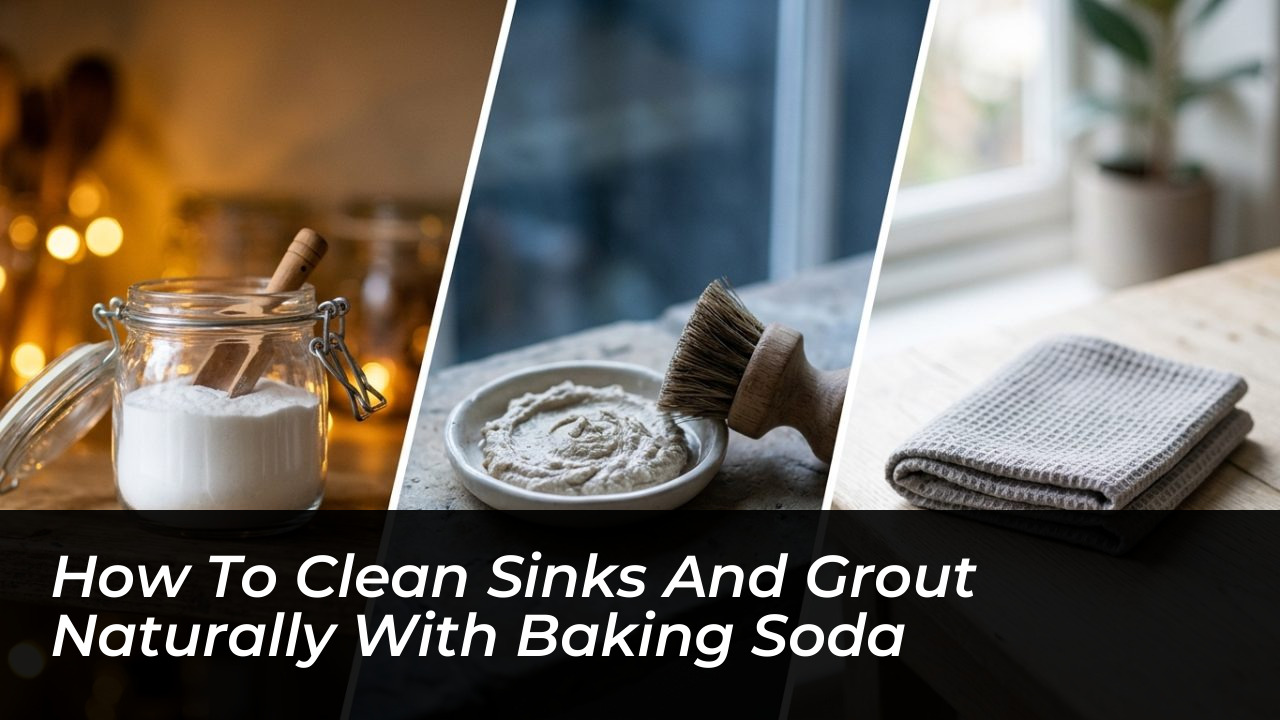

A simple paste of water and baking soda can lift stubborn grime from kitchen sinks and bathroom tile grout without relying on aggressive, expensive commercial sprays. Decades before store shelves filled with specialty chemical cleaners, older generations relied on this basic pantry staple to keep fixtures spotless. University research confirms the practice remains just as effective today.
In a study published by the University of Florida titled Hazardous Household Substances: Alternatives That Are Relatively Free of Toxic Effects, researchers Marie Hammer, Chris Koehler, and Randall Cantrell evaluated common domestic alternatives to harsh formulations. Their findings show that humble sodium bicarbonate acts as a capable everyday cleaning agent when combined with plain water. Yet using it correctly requires knowing the proper ratios, the right tools, and where this classic mineral works best.
How to Mix and Apply the Basic Baking Soda Solution
The core technique centers on mechanical action combined with mild natural abrasiveness. Depending on how heavy the dirt buildup is, the University of Florida experts recommend two distinct application methods.
For general daily maintenance, you can simply sprinkle dry baking soda directly onto a damp cloth. Rub the target surface gently, rinse thoroughly with fresh water, and buff dry to restore shine. The mild grit lifts everyday grease and residue without scratching resilient surfaces.
When dealing with heavily accumulated soil or stubborn mineral deposits, adjust the texture into a thick paste. Mix a small amount of water into the baking soda until it forms an easy-to-spread compound. Rub it onto the affected area with a soft cloth or brush, rinse thoroughly with warm water, and wipe completely dry with a clean cloth.
Where the Traditional Method Performs Best
While marketing often frames chemical sprays as universal solutions, standard baking soda cleaning targets specific troublesome areas in kitchens and bathrooms with remarkable efficiency:
- Kitchen and bathroom sinks: Rubbing the basin with baking soda removes dull surface films and keeps the basin stain-free.
- Unsealed ceramic tile grout: Applying a baking soda and water paste with an old toothbrush or a stiff nylon brush breaks down trapped dirt along the grout lines before rinsing.
- Stubborn dirt buildup: Working a thick paste into crusted grease allows the particles to loosen debris before warm water carries it away.
- General hard surfaces: Dusting powder on a wet cloth provides routine scrubbing power for everyday touch-ups.
A widespread misconception is treating baking soda as a full-spectrum disinfectant. It is an abrasive dirt remover, not an antimicrobial sterilizing agent.
Practical Application Guide by Surface Type
Before applying the paste across an entire counter or floor, the University of Florida guide advises conducting a spot test on a small, hidden corner to ensure it will not cause accidental discoloration or dulling.
- Standard household surfaces: Sprinkle on a damp cloth, scrub gently, rinse with water, and buff dry.
- Unsealed tile grout: Apply paste with a nylon brush or toothbrush, scrub lines, and rinse clean.
- Stained sink basins: Scrub directly with paste or powder on a damp cloth, then rinse thoroughly.
- Heavy grease and grime: Cover with a water-and-powder paste, work in with a cloth, and rinse with warm water.
Following these steps ensures that traditional methods deliver professional-grade results without exposing your home to unnecessary synthetic fumes.
Why Baking Soda Works Scientifically
At a molecular level, sodium bicarbonate acts as a mild alkali. When it interacts with acidic grease and food residues commonly found in kitchen sinks, it helps neutralize them. This makes the oily grime easier to dissolve and wash away with water. , its crystal structure possesses a Mohs hardness of roughly 2.5. This means it is hard enough to scour away built-up organic matter and soap scum, but soft enough that it will not scratch porcelain, stainless steel, or most standard tile glazes.
Long-Term Maintenance and Prevention Tips
Keeping your sinks and tile grout looking brand new goes beyond occasional scrubbing. Implementing a few daily habits can drastically reduce how often you need to perform deep cleanings:
- Wipe down your kitchen and bathroom sinks with a microfiber cloth after every heavy use to prevent water spot accumulation and mineral scale.
- Ensure bathrooms are adequately ventilated during and after showers using exhaust fans or open windows to curb excess humidity that feeds mildew in grout lines.
- Address liquid spills on tiled floors or countertops immediately rather than letting them dry and seep into porous grout joints.
Have you tested this classic pantry technique in your own kitchen or bathroom? Share your favorite cleaning tricks and results in the comments below! Pass this helpful guide along to family and friends looking for practical home solutions.