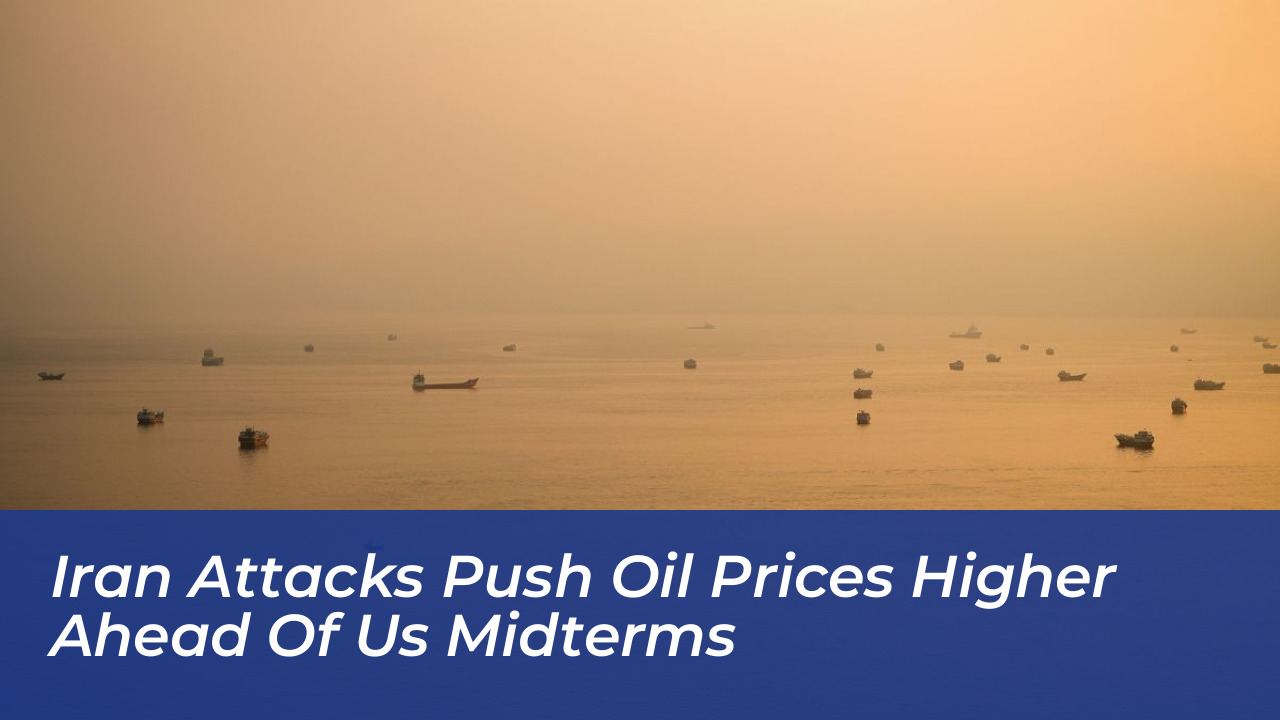

Rising energy prices and renewed military attacks on essential oil shipping routes in the Middle East are undermining government efforts to ease living costs ahead of the United States midterm elections. According to economic and federal reports released on October 14, 2026, consumer prices rose faster than anticipated in September. This increase was driven heavily by supply disruptions linked to escalating regional conflicts.
The latest Consumer Price Index (CPI) report highlighted a sharp spike in transportation and heating fuels. Gasoline prices climbed 9.1% during September alone, finishing the month more than 34% higher than their levels from the previous year. Meanwhile, fuel oil prices jumped 15.3% in September, marking a 74% increase over the preceding 12-month period.
Economic Toll on American Households
These mounting energy expenses are placing severe financial stress on household budgets and corporate bottom lines across the United States. Private economic evaluations, including estimates from Moody’s Analytics, indicate that ongoing disruptions tied to the conflict in Iran cost the average American household an additional $2,000 annually.
Beyond direct fuel expenditures, broader inflationary pressures are compounding the crisis. Housing and rental costs experienced an unexpected rebound in September. Prices across the services sector also climbed by 0.4% during the month, signaling widespread economic strain just weeks before voters head to the polls.
Strait of Hormuz and Global Supply Threats
The core driver behind the energy spike involves persistent threats to maritime traffic moving through critical chokepoints, notably the Strait of Hormuz and the Bab al-Mandeb Strait. Security incidents and attacks on oil shipping vessels have forced international energy carriers to reevaluate routes or delay shipments. This has directly tightened global crude supplies.
Energy analysts note that these vital waterways account for a massive percentage of globally traded petroleum. As regional tensions persist, market volatility continues to push crude and refined product prices upward. This complicates legislative and executive strategies designed to provide consumer relief before the midterms.
Frequently Asked Questions
What caused the recent surge in US energy prices?
Energy prices surged primarily due to renewed military attacks and security disruptions affecting oil shipping routes in the Middle East, particularly around the Strait of Hormuz.
How much are rising energy costs affecting the average household?
According to estimates from Moody’s Analytics, the ongoing conflict and associated energy disruptions cost the average American household an extra $2,000 annually.
By how much did gasoline prices increase in September 2026?
Gasoline prices climbed 9.1% during September 2026, finishing the month more than 34% higher than they were a year prior.
What key shipping lanes are threatened by the conflict?
The primary shipping chokepoints facing disruptions are the Strait of Hormuz and the Bab al-Mandeb Strait, both vital for international petroleum transport.
How are rising costs impacting the broader economy?
In addition to spiking gasoline and fuel oil prices, unexpected rebounds in housing and rental costs, alongside a 0.4% rise in service sector prices, are compounding broader inflationary pressures.