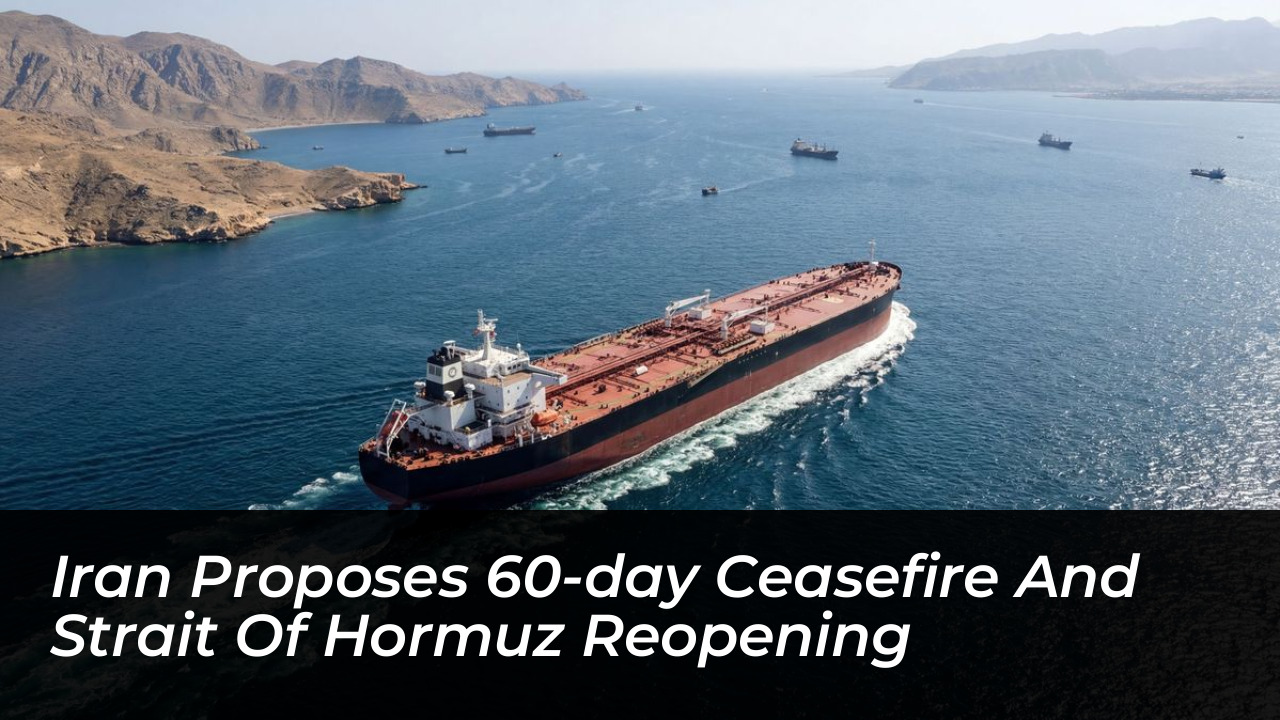

Iran recently delivered a formal diplomatic road map to the United States on September 22, 2026, introducing a comprehensive 60-day regionwide ceasefire framework. Regional sources confirm that this new proposal also outlines the gradual reopening of the vital Strait of Hormuz to resolve ongoing military and economic hostilities. Mediators from Qatar, Pakistan, and Egypt facilitated these high-stakes diplomatic exchanges on the sidelines of the United Nations General Assembly in New York. Both Washington and Tehran face mounting pressure to de-escalate tensions that have severely disrupted global energy shipments and commercial shipping lanes. While the proposal offers a viable path toward regional de-escalation and energy market stabilization, significant enforcement and verification hurdles remain.
Core Pillars of the Iranian Diplomatic Proposal
The newly unveiled Iranian framework contains several specific provisions designed to stabilize the Middle East and restore formal diplomatic communication between Washington and Tehran. This draft agreement successfully addresses major sticking points that previously derailed the July memorandum of understanding. Both sides recognize the urgent need to stop the cycle of escalation before commercial shipping faces permanent structural damage.
Diplomatic teams worked around the clock in New York to draft terms that satisfy basic security requirements for both governments. By utilizing trusted third-party intermediaries, Iran and the United States managed to bypass years of direct hostility to establish a baseline for negotiations. The resulting document forms the structural foundation for the current peace push.
The 60-Day Renewable Ceasefire Framework
The proposal centers on an immediate 60-day regionwide halt to active hostilities. This pause allows negotiating teams to establish a verifiable timeline for comprehensive peace talks. Regional allies and proxy networks must adhere to the strict cessation of military operations for the framework to survive past its initial phase.
Stopping active combat gives both militaries a chance to pull back frontline assets and reduce accidental clashes. If local commanders violate the terms, a joint monitoring committee will investigate the breach immediately. The primary goal is building enough trust during these two months to negotiate a permanent end to the conflict.
Strait of Hormuz Reopening Timeline
Under the submitted terms, Iran commits to clearing maritime obstacles and removing naval mines within a strict seven-day window. Full commercial navigation through the strategic waterway would return to pre-escalation levels within 30 days. In exchange, the United States must lift its naval blockade and end economic pressure campaigns targeting Iranian ports.
Restoring access to the waterway requires precise technical coordination between naval commanders from multiple nations. Mine clearance operations will be subject to international oversight to guarantee total safety for civilian cargo vessels. Shipping companies will monitor these milestones closely before sending container ships back through the narrow channel.
Sanctions Relief and Asset Unfreezing
The draft framework incorporates phased sanctions relief, allowing Tehran to resume international oil exports. The United States would grant targeted waivers and release a portion of frozen Iranian assets during the initial implementation phase, contingent upon verified compliance from Iranian authorities.
Economic incentives play a vital role in keeping Iran committed to the peace process. Financial institutions will track asset transfers through secure escrow accounts managed by neutral European partners. This mechanism ensures that funds support civilian infrastructure rather than military expansion.
Geopolitical Context and UNGA Diplomacy
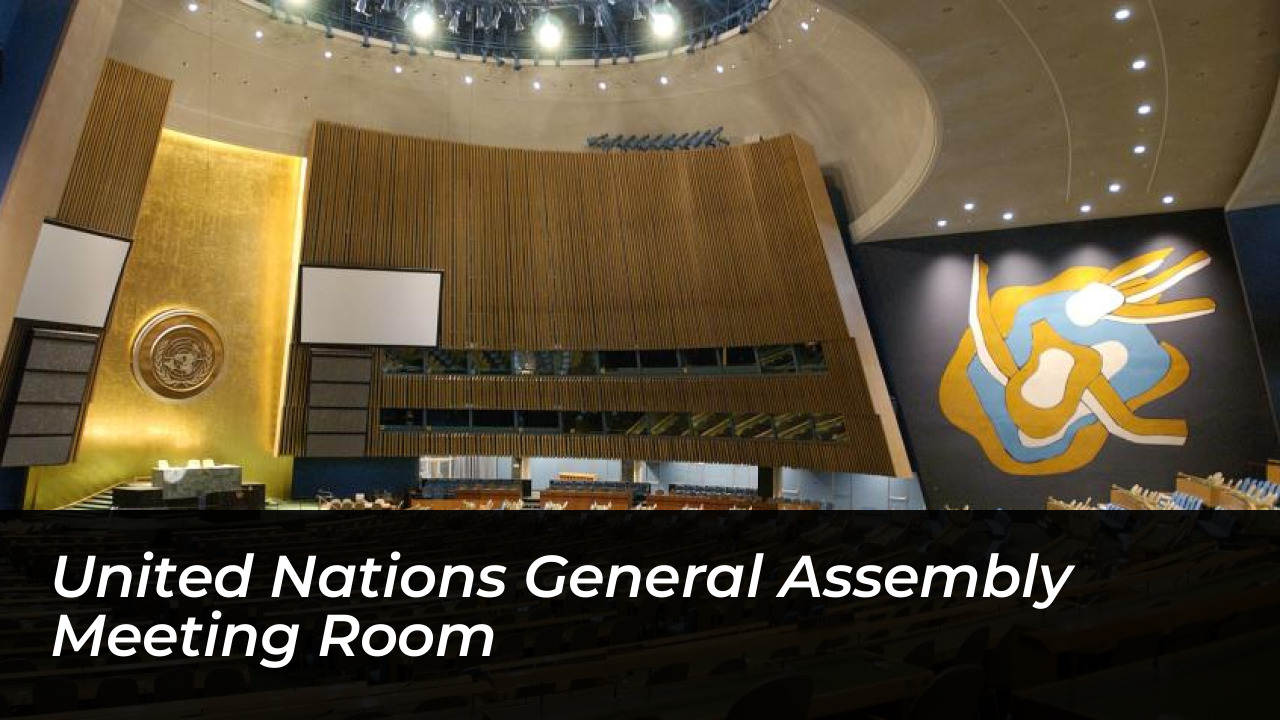
This diplomatic push coincides with high-level meetings at the United Nations General Assembly in New York. Secretary of State Marco Rubio acknowledged the potential value of direct dialogue, noting that engagement offers critical insights into leadership perspectives in Tehran. President Donald Trump has maintained a cautious posture, balancing warnings of severe retaliation with openness to diplomatic solutions involving Iranian President Masoud Pezeshkian.
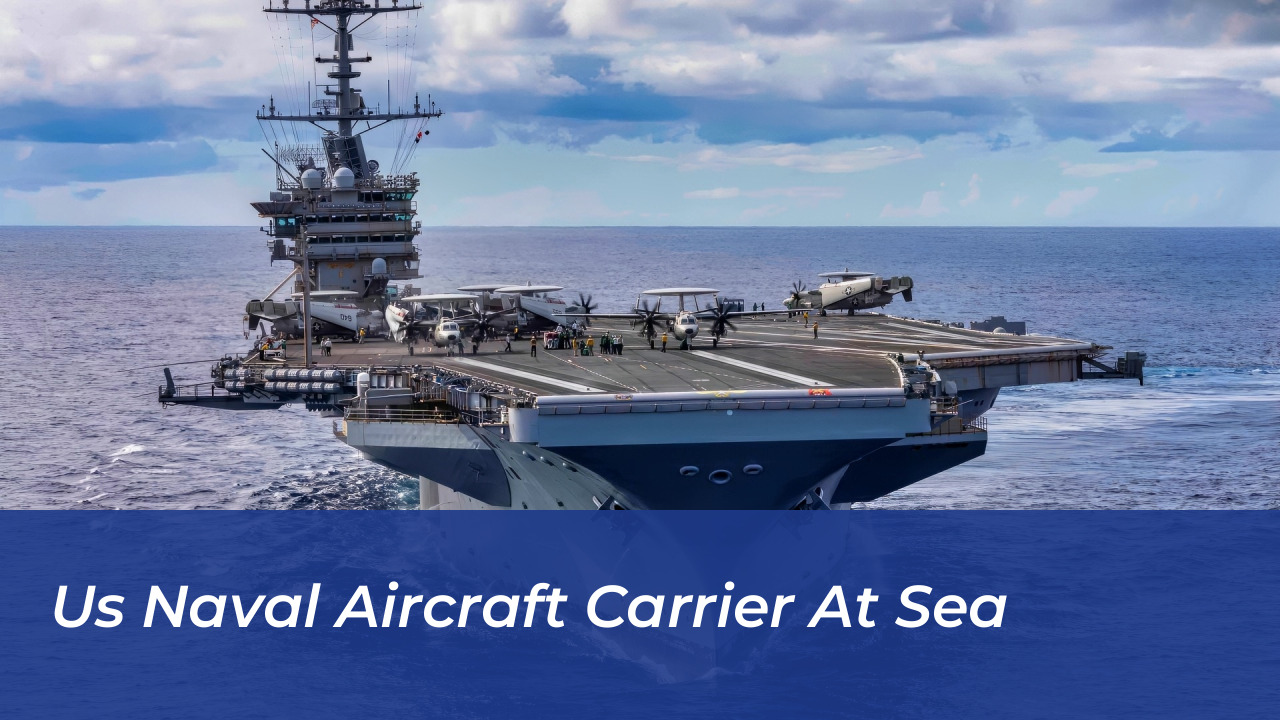
Despite these promising diplomatic overtures, military friction persists across the region. US Central Command reported that naval forces redirected 109 commercial vessels while enforcing maritime restrictions. Meanwhile, Iran’s Khatam al-Anbiya Central Headquarters warned that any renewed US military action would trigger immediate, unmitigated retaliation against American bases and regional interests.
Economic Impacts on Global Shipping and Energy Markets
The partial closure of the Strait of Hormuz severely impacts global supply chains, as roughly one-fifth of the world’s seaborne oil supply typically transits the narrow passage. Commercial shipping companies have faced soaring insurance premiums and mandatory route adjustments around the Horn of Africa or the coast of Oman. These added expenses drive up inflation and strain manufacturing sectors worldwide.
While US Central Command maintains that alternate transport routes successfully move significant volumes of oil, regional proxy attacks have occasionally forced critical infrastructure closures. Recent drone strikes on the Saudi East-West Pipeline highlighted the extreme vulnerability of overland transit corridors. Global markets desperately need the stability that a fully reopened Strait of Hormuz provides.
Unresolved Strategic Challenges and Roadblocks
Several significant hurdles remain before both governments can sign a binding agreement. Negotiators must still address long-term monitoring mechanisms for Iran’s nuclear activities, the precise scale of sanctions relief, and the future posture of US military forces stationed near Iranian borders. Deep-seated mistrust continues to complicate technical discussions.
Verification of Maritime Clearance
Monitoring mine clearance operations inside the Strait of Hormuz presents a massive logistical challenge. International inspectors need unrestricted access to survey naval routes and confirm the complete removal of underwater threats. Without reliable verification tools, military commanders will refuse to lower their guard.
Proxy Group Oversight and Regional Security
Addressing the activities of allied networks operating in Yemen, Iraq, and Lebanon is essential for lasting peace. Tehran must demonstrate the ability and willingness to rein in allied militias that might disrupt the ceasefire independently. Regional security hinges on synchronized compliance across all operational theaters.
Sovereignty Versus Freedom of Navigation
Bridging the gap between Iranian sovereign rights claims and international maritime law remains a delicate task. Tehran insists on inspecting foreign military vessels entering its territorial waters, while Washington demands unconditional freedom of navigation. Negotiators are currently exploring compromise wording to resolve this legal stalemate.
Path Forward for US-Iran Relations
The success of the current 60-day ceasefire proposal depends entirely on sustained third-party mediation and strict enforcement mechanisms. Mediators from Qatar, Egypt, and Pakistan must maintain constant communication channels to prevent minor misunderstandings from collapsing the entire framework. Accountability remains the cornerstone of this fragile diplomatic opening.
If negotiators successfully bridge the gap between US security demands and Iranian sovereignty requirements, global energy markets could see a return to stable maritime commerce before the end of the year. Reopening the Strait of Hormuz will lower shipping costs, ease inflationary pressures, and provide a much-needed blueprint for resolving future regional conflicts.
Frequently Asked Questions
What are the main terms of the Iranian ceasefire proposal?
The proposal outlines a 60-day regionwide cessation of hostilities and a structured reopening of the Strait of Hormuz.
Who mediated the diplomatic exchanges between the United States and Iran?
Diplomats from Qatar, Pakistan, and Egypt facilitated the talks on the sidelines of the United Nations General Assembly.
When is the Strait of Hormuz expected to reopen under the draft agreement?
Commercial navigation is scheduled to return to normal levels within thirty days following the removal of naval mines and maritime obstacles.
What role do economic incentives play in the proposed peace framework?
Phased sanctions relief and asset unfreezing provide vital financial motivation for Tehran to comply with the terms of the agreement.