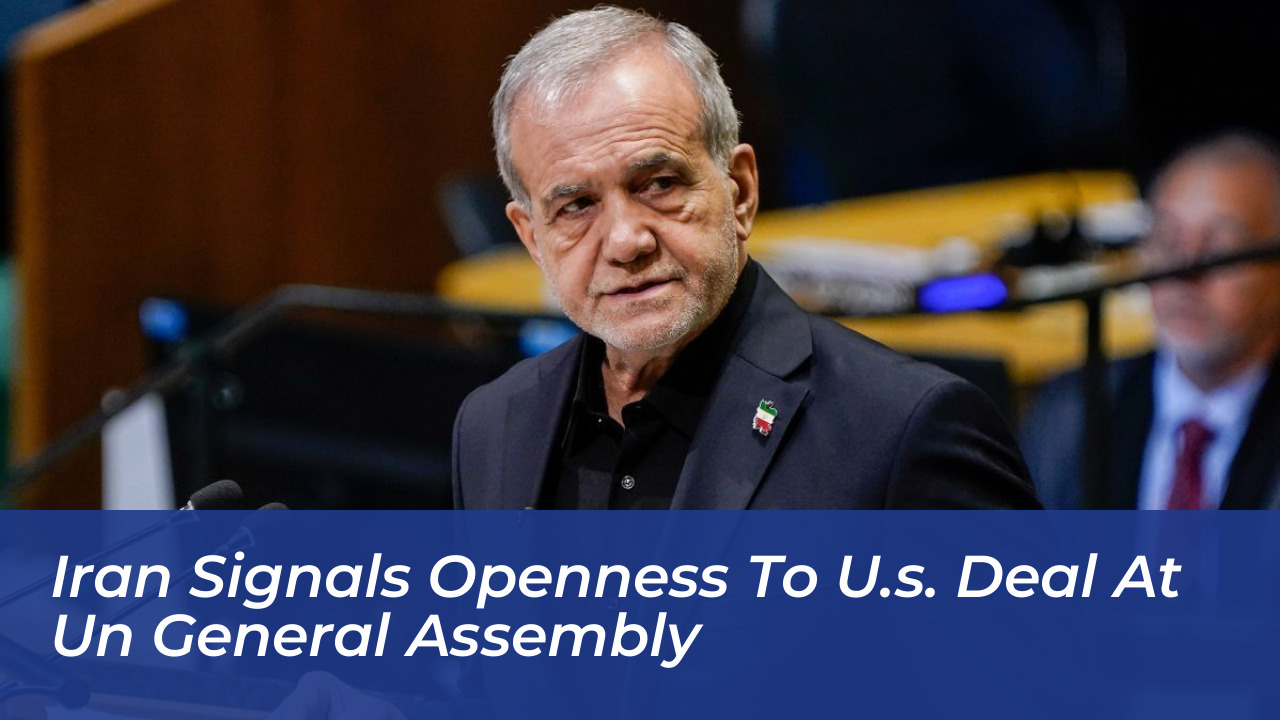
A notable diplomatic shift occurred when Iranian President Masoud Pezeshkian addressed the United Nations General Assembly in New York. Amid escalating regional conflicts and punishing economic sanctions, Pezeshkian articulated Tehran’s willingness to secure a diplomatic agreement with the United States before upcoming American political milestones. This unexpected opening by the Iranian leadership signals a potential turning point in bilateral relations, driven by a combination of indirect talks, Qatari mediation, and new flexibility on maritime security.
- Diplomatic Currents at the United Nations General Assembly
- High-Stakes Backstage Diplomacy and Qatari Mediation
- The Strategic Significance of the Strait of Hormuz
- Internal Power Struggles in Tehran
- U.S. Ultimatum and Regional Reactions
- Nuclear Transparency and Inspection Frameworks
- Comparative Analysis of U.S.-Iran Diplomatic Frameworks
- Frequently Asked Questions
- Why is President Pezeshkian pushing for a deal before the U.S. midterm elections?
- What are the specific conditions for reopening the Strait of Hormuz?
- What role are regional intermediaries playing in these talks?
- How does Iran’s stance on nuclear inspections factor into the negotiations?
Diplomatic Currents at the United Nations General Assembly
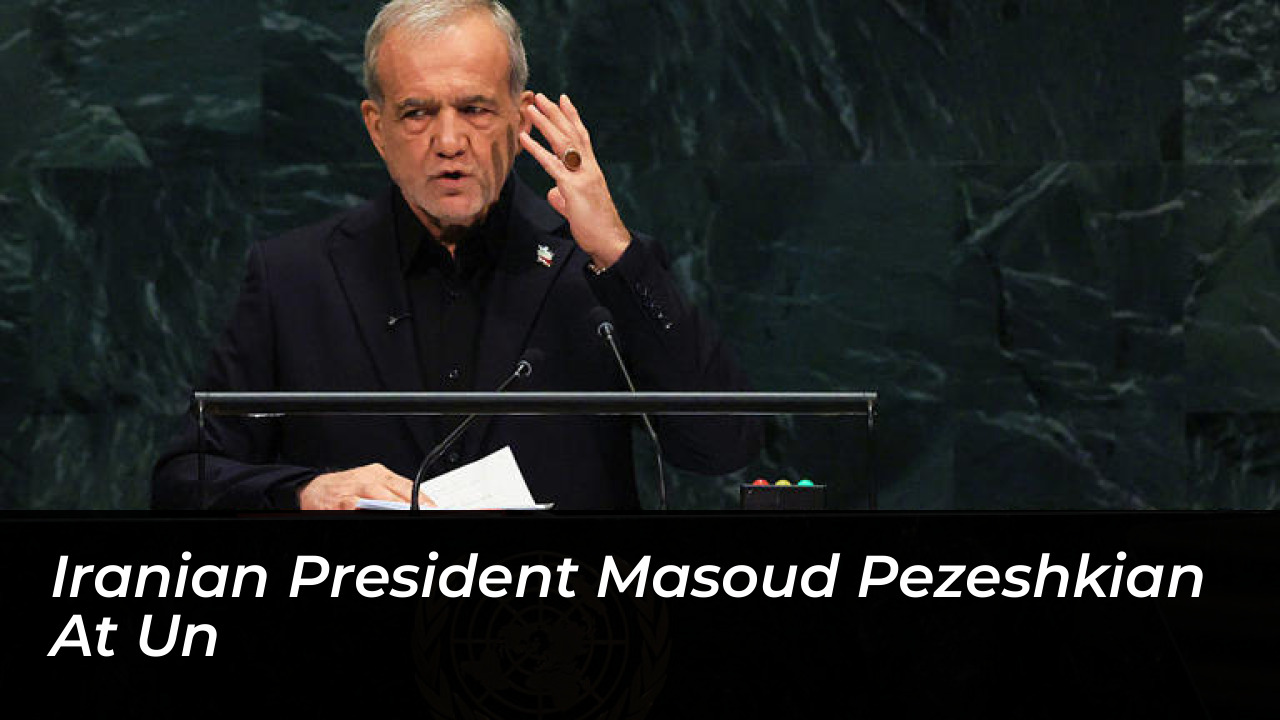
President Masoud Pezeshkian delivered his address on September 24, 2026, articulating Tehran’s desire for a rapid diplomatic accord to defuse years of hostilities. Speaking directly to international media representatives, the Iranian leader emphasized that his administration wants an immediate return to prior negotiation frameworks. This desire stems from severe domestic economic strain, including depleted currency reserves and soaring inflation caused by years of international sanctions and strict naval blockades on oil exports.
Pezeshkian stated that Tehran wants a resolution to prevent further economic deterioration. An equally pressing driver is the urgency to reach an agreement before potential political complexities arise from the upcoming United States midterm elections. The visible urgency communicated by the Iranian delegation highlights the tangible domestic pressures pushing Tehran toward compromise and high-level engagement.
High-Stakes Backstage Diplomacy and Qatari Mediation
While public rhetoric between Washington and Tehran has often remained combative, clandestine and indirect diplomatic channels have operated at a rapid pace behind the scenes in New York. United States officials disclosed that high-level delegations held approximately three hours of direct talks involving U.S. special envoy Steve Witkoff and Iranian Foreign Minister Abbas Araghchi. These discussions built upon previous frameworks established earlier in Switzerland.
The mediation support provided by Qatari diplomats has proven vital in bridging communication gaps between the two adversarial nations. Qatari intermediaries help navigate the public posturing of hardline factions within the Iranian political establishment. Both sides acknowledged that additional meetings are scheduled for the near future, pointing toward a sustained effort to test the viability of a formal diplomatic accord.
The Strategic Significance of the Strait of Hormuz
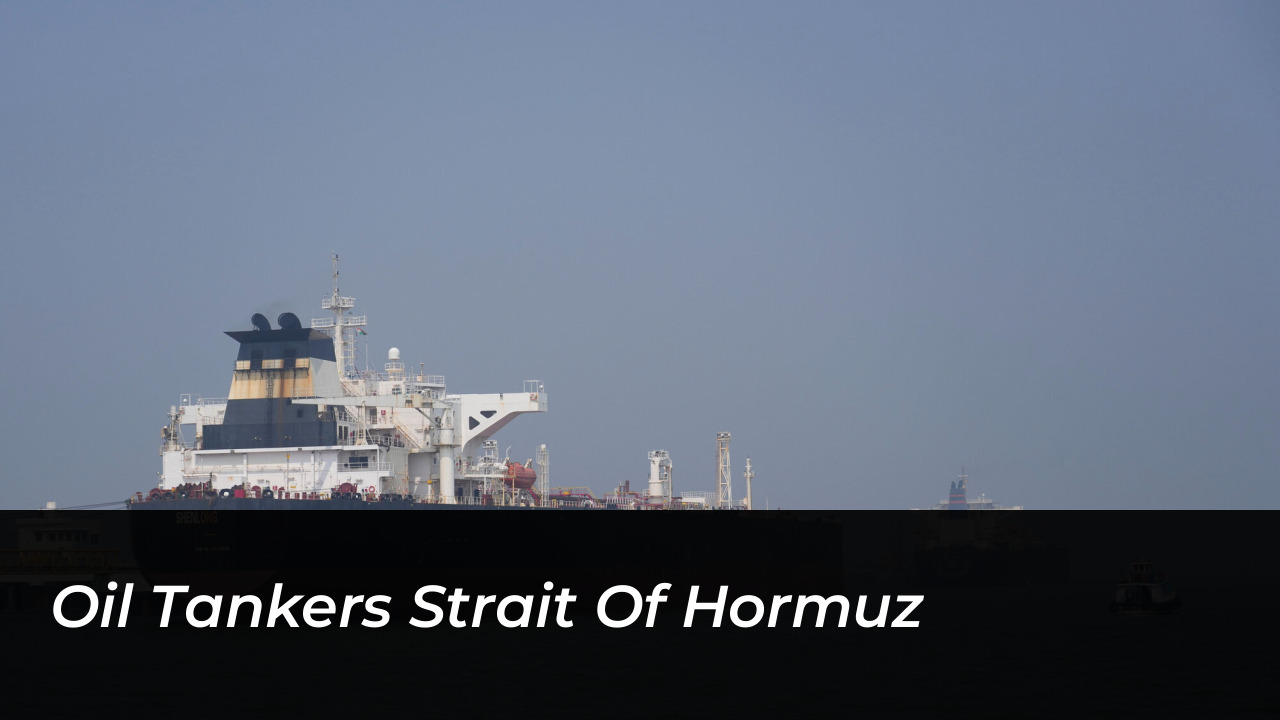
A central component of any potential breakthrough involves the contested status of the Strait of Hormuz. For months, this vital oil shipping lane has remained a focal point of military friction. Tanker attacks and naval blockades have restricted global energy flows, keeping Brent crude prices elevated between $90 and $110 per barrel. Previously, Tehran maintained a rigid stance, demanding seven onerous preconditions before considering the reopening of the strait.
However, a senior Iranian official indicated a significant policy shift. Tehran is now prepared to reopen the strategic waterway within seven days, provided Washington takes reciprocal steps to ease military and economic pressure. This revised position reportedly carries the endorsement of Supreme Leader Mojtaba Khamenei and the Supreme National Security Council, though internal friction between pragmatic administrators and hardline elements remains a challenge.
Internal Power Struggles in Tehran
The pursuit of a negotiated settlement highlights a profound domestic tug-of-war within the Iranian political hierarchy. President Pezeshkian and his diplomatic team represent a pragmatic wing that views international engagement as essential for economic survival. Conversely, hardline factions, including elements within the Islamic Revolutionary Guard Corps, maintain that military readiness and regional resistance must continue unabated.
Iranian officials frequently reiterate that military deterrence and diplomatic outreach can occur simultaneously. Parliament speaker Mohammad Bagher Ghalibaf voiced a similar sentiment, asserting that negotiations are most effective when backed by strategic leverage on the battlefield. This dual-track strategy creates mixed signals for international observers, complicating Washington’s assessment of Tehran’s ultimate strategic intentions.
U.S. Ultimatum and Regional Reactions
The United States administration has responded to Iran’s overtures with a combination of strict ultimatums and conditional readiness. President Donald Trump addressed the United Nations General Assembly, stating that his administration faces a stark choice regarding Iran: driving the nation toward complete economic isolation or offering a pathway toward integration and regional stability. Trump emphasized that any lasting agreement must materialize swiftly.
Regional actors are actively navigating these shifting geopolitical dynamics. Gulf states, led by Saudi Arabia and Qatar, are closely monitoring the negotiations. While regional powers desire a secure maritime corridor through the Strait of Hormuz, disputes remain regarding whether commercial shipping routes should be authorized solely by Iran and Oman or require broader regional signatures. , Arab states continue to pressure Washington to ensure that allied nations fulfill commitments regarding broader regional stability and humanitarian access in Gaza.
Nuclear Transparency and Inspection Frameworks
Beyond maritime security and economic sanctions, the nuclear dossier remains a critical pillar of any prospective U.S.-Iran agreement. During his media briefings in New York, President Pezeshkian reaffirmed Tehran’s openness to international inspections of its civilian nuclear energy infrastructure. He maintained that Iran’s atomic development program remains strictly dedicated to peaceful civilian energy production.
Reestablishing compliance with previous memorandums of understanding requires verifiable monitoring mechanisms overseen by international bodies. Western intelligence agencies and the International Atomic Energy Agency continue to scrutinize Iran’s enriched uranium stockpiles and centrifuge advancements. A diplomatic breakthrough necessitates rigorous verification protocols to ensure transparency and alleviate proliferation concerns in Washington and among regional allies.
Comparative Analysis of U.S.-Iran Diplomatic Frameworks
To understand the current diplomatic pivot, it is helpful to examine the evolution of negotiations between Washington and Tehran across key historical milestones:
| Agreement / Period | Core Objective | Key Obstacle | Outcome |
|---|---|---|---|
| 2015 JCPOA | Limit nuclear development in exchange for sanctions relief. | Enforcement mechanisms and sunset clauses. | U.S. withdrawal in 2018; subsequent Iranian non-compliance. |
| June 2026 Swiss MOU | Establish a preliminary de-escalation framework via U.S. delegations. | Mutual distrust and regional proxy conflicts. | Stalled implementation due to escalating naval blockades. |
| September 2026 UNGA Talks | Reopen the Strait of Hormuz and resume compliance before U.S. midterms. | Hardliner resistance in Tehran and stringent regional demands. | Ongoing indirect talks mediated by Qatar; tentative progress reported. |
Frequently Asked Questions
Why is President Pezeshkian pushing for a deal before the U.S. midterm elections?
The Iranian administration seeks to secure sanctions relief and restore oil export channels before domestic political shifts in the United States alter the legislative and executive landscape, which could make bilateral diplomacy significantly more challenging.
What are the specific conditions for reopening the Strait of Hormuz?
Tehran has moderated its demands from seven rigid preconditions to a single requirement: Washington must take reciprocal steps to ease military and economic pressure. Once met, Iran has signaled readiness to reopen the vital shipping lane within seven days.
What role are regional intermediaries playing in these talks?
Qatari diplomats and regional intermediaries are acting as crucial bridges between Washington and Tehran. They facilitate clandestine and indirect discussions to overcome deep-seated mutual distrust and public posturing.
How does Iran’s stance on nuclear inspections factor into the negotiations?
President Pezeshkian has reaffirmed Tehran’s openness to international inspections by the International Atomic Energy Agency. Verifiable monitoring of civilian nuclear infrastructure is a core requirement for building trust and alleviating proliferation concerns in Washington.