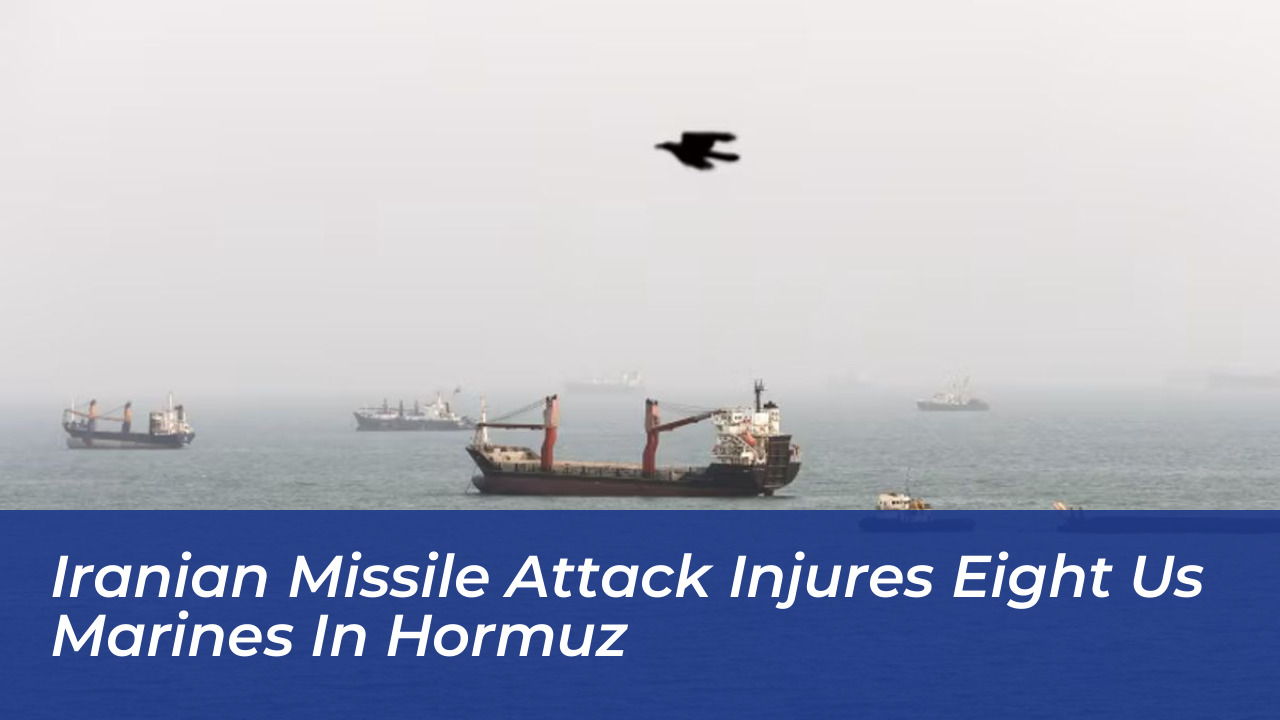
Eight U.S. Marines sustained injuries on September 14 when an Iranian anti-ship cruise missile struck a maritime vessel they were operating in the Strait of Hormuz. The Pentagon did not publicly disclose the incident at the time. It involved a battalion landing team consisting of seven enlisted personnel and one officer.
Three U.S. officials spoke to media outlets about the attack. They stated that the service members suffered smoke inhalation and potential traumatic brain injuries, presenting concussion-like symptoms such as headaches. None of the injuries were reported as serious, and all eight Marines returned to duty shortly after the attack.
Officials declined to specify the exact type of vessel involved. They confirmed only that it was not a U.S. Navy ship. The mission details and precise location within the strategically vital waterway were not released.
Scrutiny Over Pentagon Casualty Transparency
The unpublicized strike has intensified public and congressional scrutiny. Questions focus on how the Department of Defense reports military casualties. The incident came to light following updates to the Pentagon’s Defense Casualty Analysis System (DCAS). The system recorded the eight Marines among newly added wounded personnel nearly ten days after the attack.
Defense officials attributed reporting delays to the delayed onset of concussion and traumatic brain injury symptoms. They noted that the casualty tracking system does not operate in real time. The Washington Post reported that the Pentagon added 37 wounded service members-including 29 Navy sailors and the eight Marines-to its public ledger without providing immediate explanatory details. This update brought the total recorded wounded personnel in the conflict to 861.
Strait of Hormuz Security Context
The September 14 strike occurred amid heightened military tensions and commercial shipping disruptions in the Strait of Hormuz. This region is a critical energy corridor through which a significant portion of global oil supplies passes. While U.S. Central Command has worked to escort commercial traffic through the region, the area remains a focal point of friction between Washington and Tehran.
Iranian military and political authorities have repeatedly asserted control over the waterway, warning commercial charterers against unauthorized transits. Meanwhile, the U.S. military maintains that substantial volumes of crude oil continue to transit safely through the strait despite ongoing regional security risks.