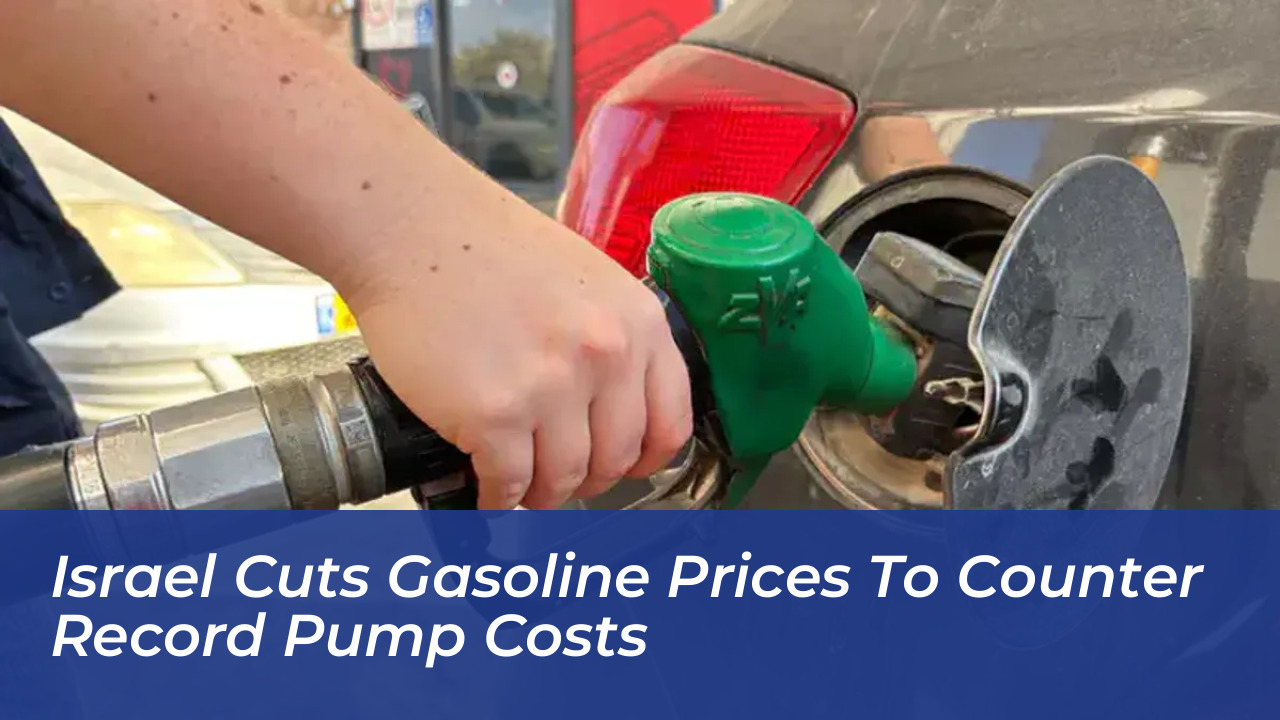



Prime Minister Benjamin Netanyahu and Finance Minister Bezalel Smotrich agreed to lower Israeli gasoline prices by 50 agorot per liter on October 5, 2026. This intervention followed domestic fuel costs reaching an all-time high of 8.27 shekels ($2.17) per liter during the last week of September.
The temporary price reduction is executed by reducing the state fuel excise tax to offset rising international energy expenses. Without this government intervention, driver costs at self-service pumps would have jumped by 52 agorot per liter overnight. This increase matched a 13 percent global surge in gasoline prices caused by Middle East instability, supply chain disruptions, and a 3 percent strengthening of the U.S. dollar against the shekel.
The Pump Price Adjustments
Following the Energy and Infrastructure Ministry announcement, the maximum self-service price for 95-octane gasoline fell to NIS 7.77 per liter at midnight entering Monday, October 5. This adjustment represents a direct savings of half a shekel for everyday motorists.
Key regional pricing structures include:
- Standard Self-Service Ceiling: NIS 7.77 per liter, including VAT.
- Full Service Supplement: Remains at 26 agorot per liter, bringing the maximum total to NIS 8.03.
- Eilat Pricing: The VAT-free self-service ceiling is set at NIS 6.58 per liter, with a 22-agorot full service supplement resulting in a NIS 6.80 maximum.
Using these revised figures, a 40-liter purchase drops from NIS 330.80 to NIS 310.80, saving drivers NIS 20. Similarly, a 50-liter fill-up yields a savings of NIS 25 based on published self-service rates.
Government Rationale and Fiscal Impact
Government officials framed the decision as a necessary buffer for domestic consumers against volatile global energy trends. Expensive fuel directly raises transportation, distribution, and shipping costs. These increases can quickly translate into higher consumer prices for food, deliveries, and retail services.
However, the tax relief carries a clear fiscal trade-off. Finance Ministry officials warned that the additional reduction would cost the state approximately NIS 150 million in monthly revenue. The temporary order remains in effect until October 31, 2026. Future pricing depends on international market developments and upcoming monthly updates.

Frequently Asked Questions
Why did Israel cut gasoline prices in October 2026?
The government intervened to offset a record-high jump in domestic fuel costs. This increase was caused by a 13 percent global surge in gasoline prices, Middle East instability, supply disruptions, and a stronger U.S. dollar.
How much is the fuel price reduction?
The price of 95-octane gasoline was lowered by 50 agorot per liter, bringing the self-service ceiling down from NIS 8.27 to NIS 7.77.
How is the government funding this price cut?
The state is temporarily reducing the fuel excise tax. It is forgoing a portion of its tax revenue to absorb the price difference instead of passing it entirely to consumers.
When does the price reduction expire?
The temporary excise tax order is scheduled to remain in effect until October 31, 2026. After this date, fuel prices will be reassessed for November.
Does this discount apply to full-service pumps?
Yes, the 50-agorot reduction applies to the base price. However, the standard full-service supplement of 26 agorot per liter still applies at attended stations.