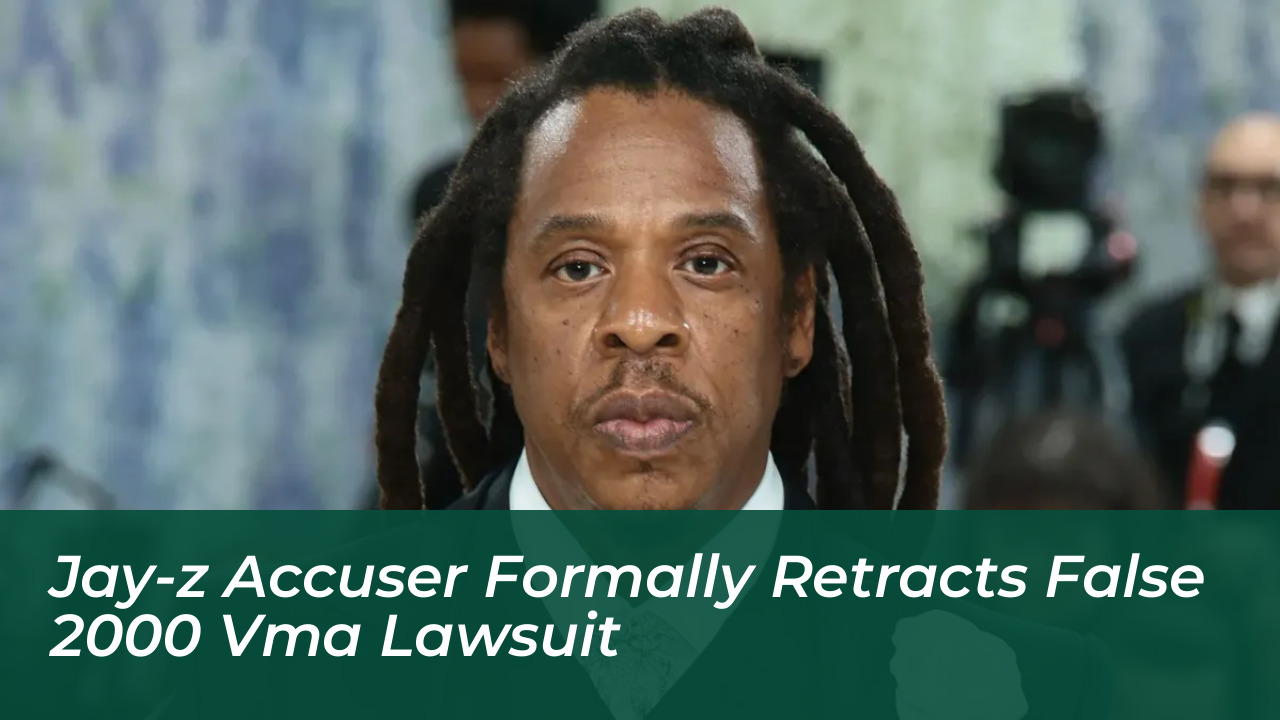
A high-profile legal dispute involving music mogul Shawn Carter, professionally known as Jay-Z, reached a definitive turning point when a female accuser formally filed court documents retracting her rape allegations. The initial lawsuit, launched in 2024, claimed that Carter and entertainer Sean Combs assaulted the plaintiff at a private gathering following the 2000 MTV Video Music Awards. Court filings submitted on Thursday confirm that the claimant admits she fabricated the entire narrative and never actually met Carter.
- Understanding the Formal Retraction in the Jay-Z Lawsuit
- The 2000 MTV Video Music Awards Timeline
- Shawn Carter Legal Response and Countersuit Strategy
- The Role of Sean Combs in the Original Allegations
- Impact of False Accusations on the Judicial System
- Legal Consequences for Attorneys in Questionable Filings
- Media Reporting Ethics in High-Profile Legal Cases
- Public Perception Versus Verified Court Records
- Frequently Asked Questions About the Case
- Who accused Jay-Z in the 2024 lawsuit?
- Did Jay-Z respond to the original allegations?
- What did the Thursday court filing state?
- Why did the accuser drop the lawsuit?
- Is Sean Combs involved in the retraction?
False allegations carry severe legal, personal, and professional consequences for individuals in the public eye. When civil claims dissolve through formal retractions, the immediate focus shifts to legal accountability, defamation countersuits, and the broader implications of unfounded accusations within the judicial system. Legal experts emphasize that verifiable facts must guide public understanding long after sensational headlines fade from media cycles.
- Overview of the court filings submitted on Thursday confirming the complete retraction.
- Core admission by the claimant that she fabricated the entire narrative and never actually met Carter.
- Immediate shift in focus toward legal accountability, defamation countersuits, and the broader implications of unfounded accusations.
Understanding the Formal Retraction in the Jay-Z Lawsuit
The legal conflict began when the plaintiff filed a civil complaint alleging an incident dating back more than two decades. The original filing claimed that the alleged assault occurred in September 2000 after a major entertainment industry event. Shawn Carter and Sean Combs consistently denied all aspects of the accusations from the moment the legal papers entered the public record.
Pressure mounted on the plaintiff’s legal team as discovery phases approached and verifiable evidence failed to support the timeline. Last year, the woman dropped the initial lawsuit. However, the legal battle did not end with the voluntary dismissal. Carter pursued further legal remedies by filing a countersuit against both the accuser and her legal representatives, demanding accountability for malicious prosecution and reputational damage.
The 2000 MTV Video Music Awards Timeline
Investigating events alleged to have occurred over two decades ago presents immense evidentiary challenges. Witnesses relocate, memories fade, and physical evidence rarely survives. In this instance, the accuser’s admission that she never even met Shawn Carter dismantled the entire historical premise of the lawsuit.
Chronological inconsistencies often expose fabricated claims during the discovery process. When forced to provide specific details, dates, and corroborating witnesses under oath, fraudulent narratives frequently collapse, leading to voluntary dismissals and formal retractions.
Shawn Carter Legal Response and Countersuit Strategy
Facing unfounded accusations requires an aggressive defense strategy to protect personal integrity and business ventures. Shawn Carter’s legal counsel responded immediately by filing a countersuit. This legal maneuver targets not only the individual who fabricated the claims but also examines the due diligence performed by the attorneys representing the plaintiff.
Countersuits for malicious prosecution or defamation set a critical legal precedent in high-profile litigation. They deter individuals from weaponizing the court system with false claims for financial gain or public attention. The formal retraction filed on Thursday validates the defense position that the initial allegations lacked any factual foundation from inception.
The Role of Sean Combs in the Original Allegations
The initial 2000 MTV Video Music Awards afterparty lawsuit linked Shawn Carter alongside Sean Combs. Combs faced independent, severe legal scrutiny across multiple separate civil and criminal investigations during this timeframe. However, the inclusion of Carter in this specific complaint hinged entirely on the credibility of the primary accuser.
With the primary accuser formally admitting that the entire event involving Carter was a fabrication, the validity of that specific branch of the 2024 complaint collapses entirely. Legal observers note that bundling high-profile figures into a single lawsuit often amplifies media attention, complicating the pursuit of objective truth during early reporting phases.
Impact of False Accusations on the Judicial System
The justice system relies heavily on the assumption of good faith from plaintiffs filing civil lawsuits. When individuals exploit legal mechanisms to propagate provable falsehoods, it strains judicial resources and undermines genuine victims of sexual assault. False allegations create a profound societal hurdle, potentially casting doubt on survivors who step forward with authentic trauma.
Courts maintain strict penalties for perjury and filing fraudulent civil claims. The swift and transparent admission of guilt by the accuser in this case highlights the mechanisms within civil procedure designed to correct malicious filings before they reach a jury trial.
Legal Consequences for Attorneys in Questionable Filings
Attorneys hold an ethical obligation under bar association rules to conduct reasonable investigations into the facts of a case before filing formal complaints in federal or state courts. Rule 11 of the Federal Rules of Civil Procedure, and similar state-level counterparts, penalize legal representation that advances claims without evidentiary support.
Carter’s countersuit targets the legal counsel involved in bringing the false claims forward. Discovery in the countersuit will likely examine what steps the attorneys took to verify the plaintiff’s statements before initiating litigation. This aspect of the legal fallout establishes accountability for both the client and the legal practitioners.
Media Reporting Ethics in High-Profile Legal Cases
Modern journalism often prioritizes speed over verification when covering celebrity litigation. Initial reports of the 2000 VMA afterparty accusations spread rapidly across digital platforms without verified police reports or contemporaneous evidence. Responsible reporting requires outlets to balance the gravity of criminal accusations with the presumption of innocence.
The formal Thursday court filing serves as a stark reminder of the damage caused by unverified sensationalism. Media analysts advocate for equal prominence given to retractions, dismissals, and vindications as the original damaging headlines receive upon publication.
Public Perception Versus Verified Court Records
Public opinion in celebrity scandals frequently hardens before courts can examine physical evidence or witness testimony. Social media platforms amplify unverified claims, turning legal allegations into immediate social verdicts. Reversing public consensus after a formal retraction proves challenging, as algorithms often retain sensational accusations longer than quiet legal resolutions.
Relying exclusively on certified court documents remains the only accurate method for tracking complex litigation. The Thursday filing is an official public record that definitively resolves the dispute between Carter and the accuser regarding the 2000 incident.
Frequently Asked Questions About the Case
Who accused Jay-Z in the 2024 lawsuit?
An anonymous female plaintiff filed the 2024 civil lawsuit, claiming an assault occurred after the 2000 MTV Video Music Awards.
Did Jay-Z respond to the original allegations?
Shawn Carter consistently and immediately denied all allegations from the moment the legal papers entered the public domain.
What did the Thursday court filing state?
The Thursday filing confirmed a complete retraction, with the claimant admitting she fabricated the entire narrative and never met Carter.
Why did the accuser drop the lawsuit?
Intense pressure during the discovery phase and a lack of verifiable evidence forced the abandonment of the fraudulent claims.
Is Sean Combs involved in the retraction?
The retraction specifically addresses the claims made against Shawn Carter, while Sean Combs faces separate, independent legal scrutiny.