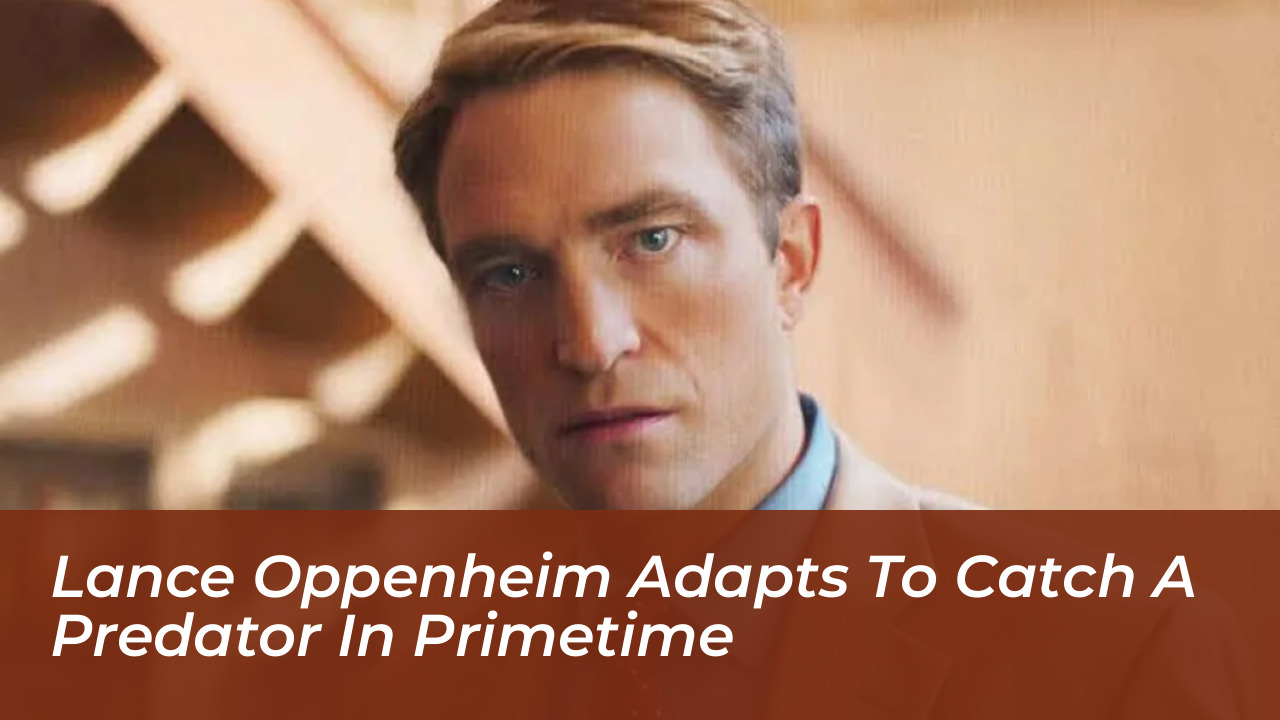

The cultural shockwave generated by Dateline NBC’s investigative series To Catch a Predator left an indelible mark on American media. Running from 2004 to 2007, the program transformed investigative journalist Chris Hansen into a pop culture icon. Men who arranged online meetings with individuals they believed to be minors walked into suburban sting houses, only to find Hansen waiting with printed chat logs and his signature invitation. Now, this controversial chapter of reality television receives the cinematic treatment in Primetime, the narrative feature debut of documentary filmmaker Lance Oppenheim.
Distributed by A24, the film stars Robert Pattinson as Chris Hansen, examining the blurred lines between public service, sensationalist entertainment, and psychological obsession. This cinematic exploration translates Oppenheim’s acclaimed documentary roots into a gripping investigation of modern myth-making and media performance.
Introduction to Lance Oppenheim and Primetime
Director Lance Oppenheim built his reputation in the documentary space, exploring idiosyncratic American subcultures with projects like Some Kind of Heaven, Spermworld, and HBO’s Ren Faire. Transitioning to narrative filmmaking, Oppenheim maintains his fascination with hyper-performative public figures and constructed realities.
Written by first-time screenwriter Ajon Singh, Primetime adapts elements from Luke Dittrich’s 2007 Esquire profile, focusing on the harrowing true story of a Texas prosecutor who died by s*****e following one of the program’s high-profile stings. Oppenheim’s fascination with the material began in childhood, watching parodies of the show on programs like South Park long after the original broadcast ended. He viewed Hansen not merely as a journalist, but as a superhuman ringleader commanding a fabricated world.
Decades later, a thirty-dollar Cameo video purchased by his wife reignited this obsession, revealing a hyper-self-aware version of Hansen leaning heavily into his own legacy. Recognizing that the public persona had eclipsed the man, Oppenheim chose to adapt the internet’s collective mythos surrounding Hansen rather than collaborating with the former newsman directly.
From Documentary Roots to Narrative Fiction
Actor Robert Pattinson anchors the film as Chris Hansen, delivering a performance generating significant Oscar buzz on the festival circuit. Pattinson initially boarded the project purely as a producer through his company, Icki Eneo Arlo, before committing to take on the demanding lead role.
His preparation involved capturing Hansen’s distinct cadence, steely interrogation style, and measured authority. Oppenheim describes directing Pattinson as an exercise in balancing opposing cinematic archetypes, noting that the performance evokes a volatile mixture of Jerry Maguire, Dracula, and Jack Nicholson’s unhinged energy in The Shining.

This duality stems from a deeper thematic parallel identified by the director. Having achieved global stardom overnight through the Twilight franchise, Pattinson understands the unique psychological toll of living inside a constructed public persona. That tension between individual identity and media expectation forms the emotional core of the film.
Robert Pattinson Transforms Into Chris Hansen
Beyond Pattinson, Primetime features a formidable ensemble cast that elevates the dramatic stakes of the newsroom environment. Merritt Wever stars as Andie, a beleaguered producer struggling to keep ethical boundaries intact within the ruthless culture of sensationalist television.
Skyler Gisondo and Sean Bridgers also feature prominently in supporting roles. The film boasts a notable casting addition in singer-songwriter Phoebe Bridgers, who makes her major screen acting debut as Del, a theatrical decoy who can seamlessly impersonate individuals of various ages.
Production values are backed by producers including Ari Aster, Fred Berger, Brian Kavanaugh-Jones, Lars Knudsen, Tyler Campellone, and Brighton McCloskey. With a runtime of 107 minutes, the film premiered in competition at the 83rd Venice International Film Festival before arriving in theaters on September 25, 2026.
The Star-Studded Supporting Cast and Production Details
| Project Element | Details |
|---|---|
| Director | Lance Oppenheim |
| Screenwriter | Ajon Singh |
| Lead Actor / Producer | Robert Pattinson (as Chris Hansen) |
| Key Cast Members | Merritt Wever, Skyler Gisondo, Phoebe Bridgers, Sean Bridgers |
| Distributor | A24 |
| Runtime | 107 Minutes |
| Theatrical Release Date | September 25, 2026 |
| Festival Premieres | Venice International Film Festival |
True to the contentious nature of its source material, Primetime has sparked friction outside the cinema. Chris Hansen publicly denounced the project, labeling the movie an insult and a work of fiction during interviews with media outlets such as The Hollywood Reporter.
Raising objections regarding an initial non-disclosure agreement and creative liberties, Hansen weighed potential legal action and even purchased advertisement inventory to screen promotional material for his own network directly before showings of the film.

Oppenheim remained unfazed by the pushback, noting that his research relied on public archives, Hansen’s published books, online blogs, and extensive interviews with hidden camera operator Mitchell Wagenberg. By refusing to secure official participation from the subject, the production mirrors the unauthorized, disruptive nature of the original investigative stings themselves.
Real-Life Backlash and Legal Friction
The release of Primetime coincides with another major project from Oppenheim: You Can See Everything, a secret Elizabeth Holmes documentary co-directed with Nathan Fielder that premiered at the Telluride Film Festival.
Although distinct in format, both projects serve as companion pieces exploring the theme of modern myth-making. Hansen and Holmes represent two distinct archetypes of the digital age, constructing elaborate facades to manipulate public perception.
While Holmes built an empire on fraudulent biotechnology, Hansen built a ratings powerhouse on theatrical moral policing. By releasing both cinematic explorations simultaneously, Oppenheim solidifies his status as one of contemporary cinema’s sharpest chroniclers of deception and performance.
Contrasting Two Eras of Media Manipulation
While standard reviews focus primarily on Pattinson’s physical transformation and the logistical hurdles of the production, two distinct angles deserve closer examination regarding the legacy of Dateline NBC’s broadcasts.
To Catch a Predator effectively pioneered the gamification of law enforcement long before modern internet vigilante groups and true crime podcast culture saturated social media. The film highlights how the broadcast laid the groundwork for contemporary digital doxxing and public shaming.
Network executives realized early on that high-stakes confrontations generated unprecedented advertising revenue. Primetime exposes how the pursuit of primetime ratings occasionally overshadowed rigorous journalistic standards, ethical boundaries, and constitutional due process.
Cultural Legacy and Unanswered Questions
The ongoing fascination with the true crime genre proves that audiences remain endlessly captivated by stories of transgression and exposure. Oppenheim captures this cultural appetite by holding a mirror up to the media mechanics that first brought these stings into American living rooms.
Frequently Asked Questions
What is Primetime based on?
The film is based on the history of Dateline NBC’s reality television series To Catch a Predator, drawing additional narrative inspiration from Luke Dittrich’s 2007 Esquire article detailing the tragic fallout of a specific sting operation.
Did Chris Hansen participate in the film?
No. Chris Hansen was not involved in the production, publicly criticized the movie as a work of fiction, and expressed disapproval regarding the filmmakers’ creative choices.
Who directed Primetime?
Documentary filmmaker Lance Oppenheim directed the project, marking his narrative feature film debut after acclaimed documentary works like Some Kind of Heaven and Ren Faire.