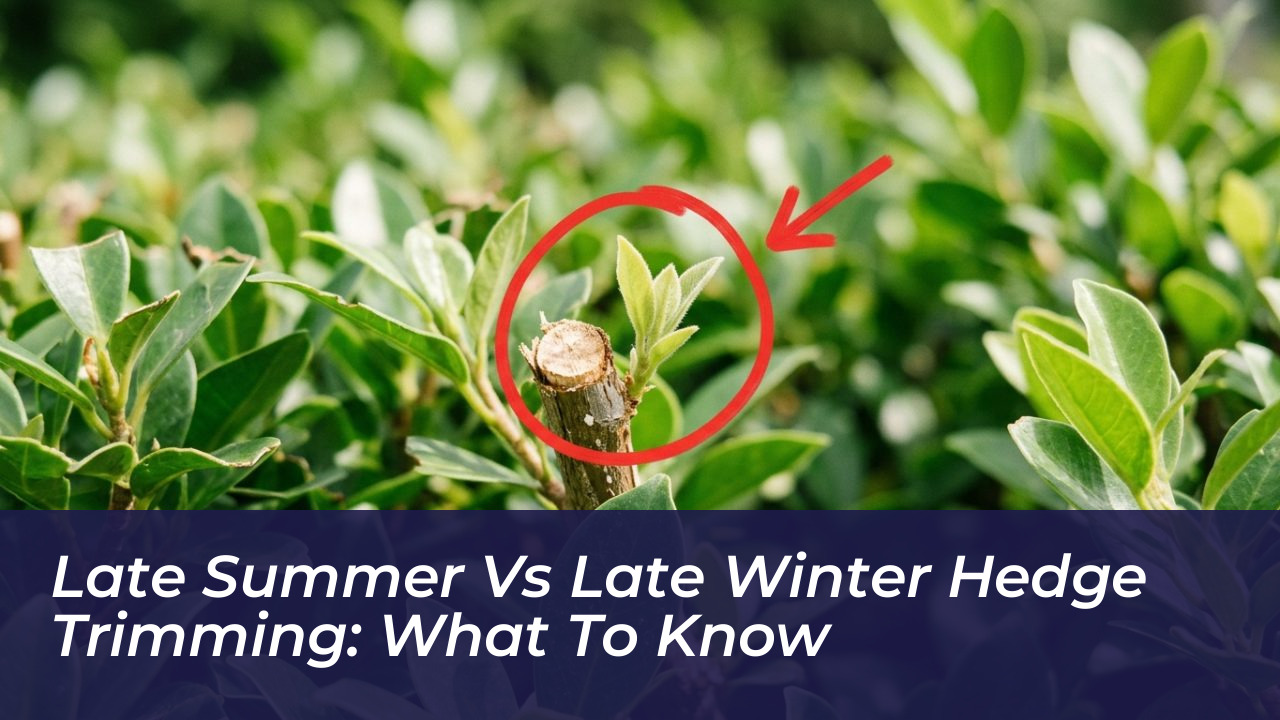

Late summer or deep winter dormancy are your only two safe options for trimming hedges. Pruning during warm fall days causes severe freeze damage. Cutting back shrubs in mid-fall signals dormant buds to sprout right before the first hard freeze. This leaves the plant covered in blackened, dead growth that ruins its spring appearance. The danger zone arrives when a homeowner spots an untidy hedge on a crisp, sunny afternoon and grabs the powered hedge trimmer. While tidying the garden feels productive, plants interpret shears very differently than humans do.
The Biological Trap of a Warm-Season Autumn Haircut
Pruning acts as an immediate growth trigger. Whenever you shear off plant tips, you remove the chemical dominance that keeps lower buds asleep. This prompts the shrub to awaken those buds and push out soft green growth. Professional horticulturists refer to this unseasonal flush as a false spring. Because the tender new shoots lack the time required to harden off before temperatures plunge, the first hard frost kills them instantly. This leaves the plant entering winter with open wounds that fail to seal and an outer layer of fried, brown tips.
A common mistake in practice is treating pruning merely as cosmetic maintenance. People often overlook that every cut acts as a chemical signal demanding rapid cellular division from the plant. For conifer hedges such as arborvitae and cypress, the stakes run considerably higher. Trimming conifers after late summer frequently creates irreversible bare patches. Most species will not sprout new foliage from older, woody interior branches.
The Two Safe Pruning Windows
The safe seasonal calendar comes down to two distinct periods separated by a strictly forbidden middle ground. The window closes six to eight weeks before your local first hard freeze, which for most regions rules out October haircuts entirely. Professional groundskeepers ignore arbitrary calendar dates and focus on the biological state of the hedge. When foliage remains vibrant and active in a mild climate, structural work stays on hold until full dormancy takes hold.
Maintaining garden hedges successfully requires adhering to a strict seasonal framework. The breakdown below highlights the primary differences between the safe pruning periods and the hazardous fall window:
- Late Summer (6+ weeks pre-frost): Safe for light shaping, minor touch-ups, and finishing touches before temperatures drop.
- Mid-to-Late Autumn: The forbidden zone where trimmers must stay untouched to prevent frost damage on tender new shoots.
- Deep Winter Dormancy: Ideal for structural renovation, heavy reshaping, and major size reduction before spring awakening.
How Professional Landscapers Manage Shrubs in Late Fall
Expert horticulturists and professional groundskeepers utilize specialized techniques to safeguard shrubs as the cold weather approaches:
- Demoting cuts to minor snips: Fall maintenance should only involve removing broken stems, dead wood, or occasional erratic shoots with bypass pruners.
- Protecting local overwintering wildlife: Hedges serve as vital winter sanctuaries by providing shelter for birds, cold-weather berries, and ground-level cover for beneficial insects.
- Refraining from trimming stressed plants: Shrubs suffering from drought or fungal issues should never face pruning shears until they recover full vitality.
- Delaying heavy reshaping: Radical cutbacks belong strictly in late winter, allowing vigorous spring recovery to immediately follow the cuts.
Attempting complete aesthetic perfection before the cold months can also harm the root zone. Avoid piling fresh mulch directly against the wood stems, which can encourage moisture issues and rot through the colder months. A garden hedge that enters November looking slightly wild and shaggy will emerge lush, dense, and healthy in May. Check your local frost dates before you reach for powered shears this season.
Frequently Asked Questions About Hedge Trimming Windows
When is the safest time to trim hedges?
The two safest windows are late summer (at least 6 weeks before your first hard freeze) and deep winter dormancy. Avoid mid-to-late autumn pruning entirely.
Why does fall pruning cause winter damage?
Pruning stimulates a plant to produce new shoots. Fall pruning forces a false spring, pushing soft green growth that cannot harden before a hard freeze kills it.
Can I trim conifers in late summer?
You can perform light shaping in late summer. However, heavy cutting on conifers like arborvitae or cypress at this time can cause permanent bare patches.
What maintenance is acceptable in autumn?
Autumn maintenance should be limited to minor snips, such as removing broken stems, dead wood, or diseased branches using clean bypass pruners.
How do professional landscapers decide when to prune?
Professionals ignore rigid calendar dates and focus on the biological activity of the hedge. They delay structural work until full winter dormancy takes hold.