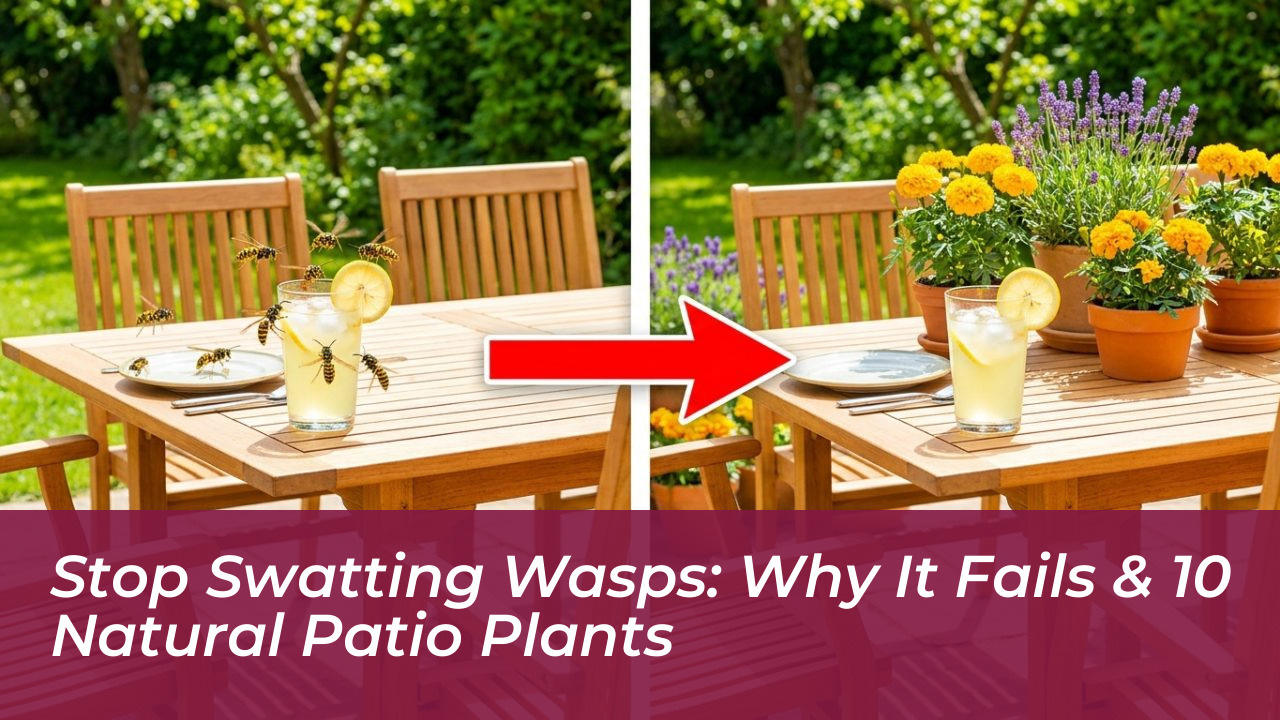

Swatting at wasps around your porch or outdoor seating often triggers defensive aggression, making painful stings far more likely. Instead of fighting them off, cultivating pungent botanical barriers-such as marigolds, citronella, and peppermint-relies on strong essential oils that help repel wasps naturally. Meanwhile, this approach leaves beneficial insects free to hunt common garden pests like aphids and caterpillars in your yard.
Wasps play a critical role in backyard ecosystems by hunting flies and larvae, but their proximity to dining tables and rocking chairs creates unnecessary risks. The secret to coexisting without constant conflict lies in using their sensitive olfactory systems against them by placing aromatic barrier plants in patio containers rather than reaching for synthetic chemical sprays.
Why Swatting Backfires Around Outdoor Living Spaces
When you aggressively wave a rolled-up magazine or hand at an approaching wasp, the insect interprets rapid movement as a direct threat. Wasps defend themselves with painful venom. Unlike honeybees, individual wasps can sting multiple times without dying. A common mistake in practice is treating wasps purely as pests rather than predatory garden allies that react defensively to sudden movement.
The practical solution begins with passive prevention. Keeping food trays covered, cleaning drink spills, emptying outdoor trash cans, and surrounding seating zones with sharp, fragrant flora discourages wasps from establishing flight paths across your deck. Crushing a few fresh leaves in a saucer next to your patio chair creates an immediate, concentrated aromatic deterrent.
10 Plants That Naturally Deter Wasps From Patios
While no single botanical variety creates an impenetrable bubble, incorporating pungent herbs, flowers, and grasses significantly reduces wasp activity in high-traffic outdoor living areas.
1. Marigolds (Tagetes spp.)
The pungent, musky aroma of marigolds deters a wide variety of unwanted garden pests. Specific selections like Copper Canyon daisy emit a distinct citrus-mint scent when bruised, Mexican mint marigold releases strong tarragon notes, and Signet varieties produce an intense citrus kick in full sunlight.
2. Citronella Grass (Cymbopogon nardus)
Widely harvested for the essential oils used in insect candles, citronella grass is a tender tropical perennial suited for container growing. It cannot survive freezing temperatures, so pot it in well-drained soil and water whenever the top 2 inches dry out completely.
3. Lavender (Lavandula spp.)
The intense floral oils that people find relaxing are repellent to wasps. Varieties like ‘Phenomenal’ and ‘Provence’ tolerate summer humidity well, provided they are grown in sandy, well-draining soil and situated under full sun exposure.
4. Lemongrass (Cymbopogon citratus)
Unlike ornamental citronella, culinary lemongrass doubles as an aromatic kitchen staple. Hardy outdoors across USDA zones 8b through 11b, this sun-loving perennial thrives in patio planters that can be sheltered indoors before winter frosts arrive.
5. Basil (Ocimum basilicum)
Quick to establish in warm weather, basil flourishes with frequent leaf harvesting. Lemon basil provides the highest level of airborne repellency against wasps, while cultivars like ‘African Blue’, ‘Cinnamon’, and ‘Greek Dwarf’ introduce layered scents that disorient flying insects.
6. Lemon Balm (Melissa officinalis)
A resilient member of the mint family, lemon balm emits a sharp citrus fragrance that pests steer clear of. Because its vigorous root network spreads aggressively across garden beds, keeping it restricted to separate patio pots preserves nearby plantings.
7. Eucalyptus (Eucalyptus spp.)
The distinctive medicinal oils within eucalyptus leaves create an invisible boundary wasps avoid. It grows easily as an ornamental shrub or potted patio accent in zones 7b through 10b, though homeowners should check regional planting restrictions due to local spread concerns in specific states.
8. Peppermint (Mentha x piperita)
The intense menthol output of peppermint serves as a strong sensory deterrent for airborne foragers. Restricting growth to a 12-to-16-inch wide container prevents underground rhizomes from invading lawns while making it simple to harvest stems for tableside dishes.
9. Pennyroyal (Mentha pulegium)
Pennyroyal delivers a heavy mint scent and blooms with pale purple blossoms in midsummer. While historically utilized in folk preparations, poison control guidance advises against ingesting any portion of the plant, making container handling essential.
10. Rosemary (Salvia rosmarinus)
A hardy evergreen woody perennial, rosemary thrives in full sunshine and gritty, lean soil. Cultivars such as ‘Benenden Blue’ produce sharp resinous, pine-like aromas that keep wasps moving away from outdoor spaces without requiring chemical applications.
Plant Growing Specifications at a Glance
- Marigolds (Tagetes spp.): Full sun; well-drained soil; pH 6.0-7.0
- Citronella Grass (Cymbopogon nardus): Full sun; well-drained soil; pH 6.5-7.0
- Lavender (Lavandula spp.): Full sun; rocky, sandy soil; pH 6.5-7.5
- Lemongrass (Cymbopogon citratus): Full sun; moist, well-drained soil; pH 6.5-7.0
- Basil (Ocimum basilicum): Full sun; moist, rich soil; pH 6.0-7.5
- Lemon Balm (Melissa officinalis): Full sun to part shade; garden soil; pH 6.5-7.0
- Eucalyptus (Eucalyptus spp.): Full sun; well-draining soil; pH 5.5-6.5
- Peppermint (Mentha x piperita): Full sun to part shade; rich soil; pH 6.0-7.0
- Pennyroyal (Mentha pulegium): Partial shade; moist loam; pH 6.5-7.5
- Rosemary (Salvia rosmarinus): Full sun; sharp drainage; pH 6.0-7.0
How to Deploy Aromatic Repellents for Maximum Impact
Transforming your patio into a fragrant, sting-free zone requires only a few well-placed planters and steady pruning habits. Strategic container arrangements allow you to enjoy outdoor dining without disrupting the beneficial insect balance your garden relies upon.
- Anchor seating zones with containers: Position potted lavender, rosemary, and marigolds within arm’s reach of outdoor sofas, steps, and dining tables.
- Release volatile oils during gatherings: Snip a handful of peppermint, lemon basil, or marigold stems and crush them lightly in decorative ceramic saucers.
- Eliminate competing attractants: Keep sugary beverages covered, clear dirty outdoor tableware immediately, and secure patio garbage bins with tight-fitting lids.
Which aromatic herbs have worked best around your outdoor patio? Share your experiences with us in the comments below.