
The Penrith Panthers face a defining moment of adversity during their high-stakes NRL finals campaign at Accor Stadium. A sudden injury crisis hits the reigning premiers, threatening their pursuit of history as mounting physical issues plague the roster. Young center Blaize Talagi suffered a severe non-contact injury, forcing him off the field and compounding a roster emergency that tests the limits of the club’s famous depth.
- Anatomy of the Penrith Panthers Finals Crisis
- Nathan Cleary Foot Injury and Extreme Training Secrecy
- Tactical Fallout and the Kicking Blueprint Breakdown
- Defensive Vulnerabilities and the Ultimate Test of Squad Depth
- Additional Squad Pressures and Bench Impacts
- Frequently Asked Questions
- What specific injury did Nathan Cleary sustain?
- How does the injury affect Penrith’s kicking strategy?
- Why did the Panthers use tarpaulins at their training ground?
- What happened to Blaize Talagi during the match?
Anatomy of the Penrith Panthers Finals Crisis
The pressure on Penrith intensified dramatically during the opening stages of their crucial finals match. Accor Stadium witnessed a tense atmosphere as the physical toll of a punishing season finally caught up with the squad. Coaches and medical staff now work overtime to patch together a competitive 17-player lineup capable of surviving the September pressure cooker.
Talagi went down clutching his Achilles tendon without any physical contact from opposing players, requiring immediate medical assistance to leave the pitch. This sudden blow forced coaching staff into an emergency reshuffle, thrusting Liam Martin back into the action while shifting Luke Garner into the center channel. Analyst and broadcasting icon Phil Gould captured the gravity of the moment live on air, stating that the setback was terrible news for the rising star.
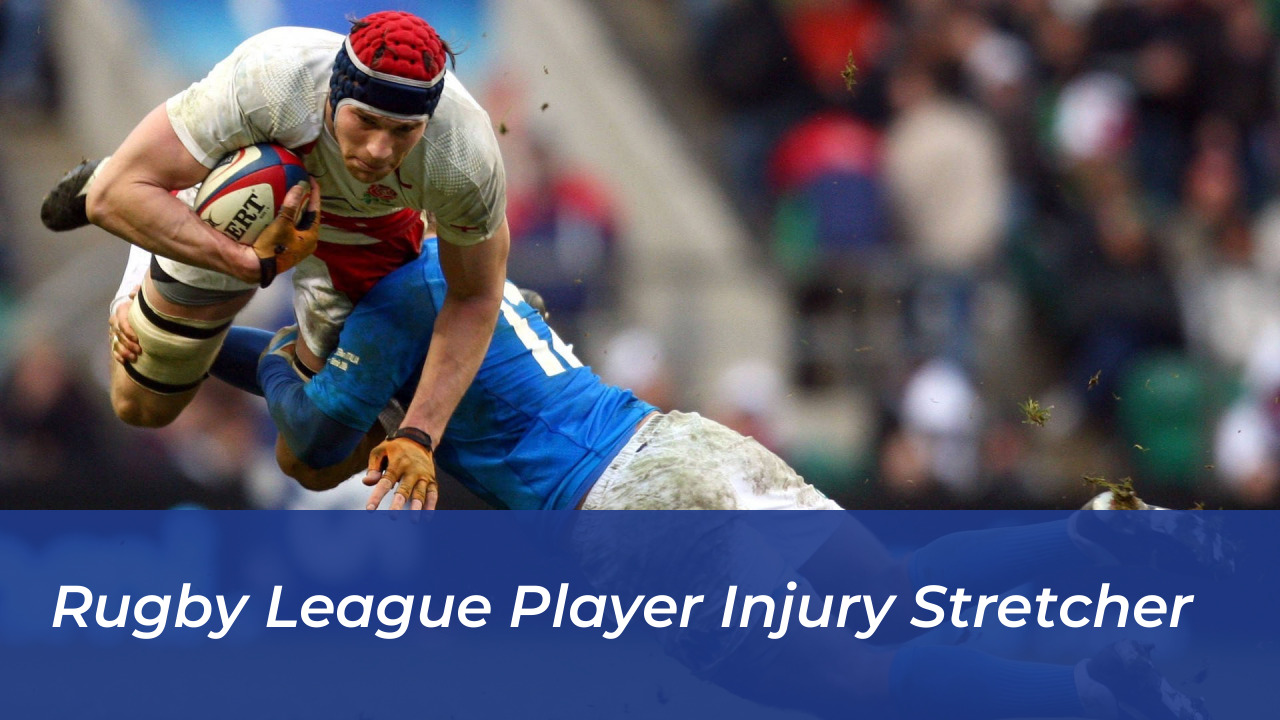
Beyond the immediate match-day disruption, this physical toll highlights a broader vulnerability within the Penrith squad. Managing the rigorous demands of the September finals series requires near-perfect health, a luxury the club currently lacks. With multiple key personnel managing severe physical ailments, the coaching staff must rely on fringe players to step up in high-pressure environments.
Nathan Cleary Foot Injury and Extreme Training Secrecy
The physical concerns extend far beyond Talagi, centering heavily on co-captain and star halfback Nathan Cleary. Ahead of their crucial preliminary final showdown against the Newcastle Knights, the Panthers resorted to extreme measures to shield their tactical preparations from prying eyes.
Staff erected black tarpaulins and physical fencing around their training headquarters to block media speculation regarding Cleary’s right foot. Initial medical reports from the club described the issue as a stress-related bone reaction in his primary kicking foot, sustained during an earlier victory over the Sydney Roosters. However, leaked internal reports suggest the damage may involve a small bone fracture.
Coach Ivan Cleary admitted during media briefings that MRI scans remained inconclusive, though clinical assessments confirmed a tangible structural issue that carries the risk of worsening. Despite these serious concerns, Cleary remains determined to take the field. His preparation includes intense rehabilitation regimes and a heavily modified training load designed to preserve his foot for game day.
Tactical Fallout and the Kicking Blueprint Breakdown
Rugby league immortal Andrew Johns highlighted that Cleary’s physical limitation represents the single greatest tactical variable of the finals series. Penrith relies on a meticulously calibrated territorial kicking blueprint built around Cleary’s elite execution and tactical precision.
The team typically initiates plays by channeling the ball to the right edge through back-rower Liam Martin. Nathan Cleary sweeps around the short side to deliver pin-point attacking kicks into a designated ten-by-ten-meter zone. This disciplined approach forces opponents deep into their own territory, allowing Penrith’s defensive line to suffocate the opposition’s exit sets.
Selection twists compound this strategic dilemma for the coaching staff. Jack Cole has been named to start in the halves alongside Cleary, while Jack Cogger waits on the bench after serving a three-match suspension. Unlike Cleary, both Cole and Cogger are right-foot kickers operating primarily on the left side of the ruck. If Newcastle’s defensive line applies heavy pressure, the resulting angles will shift, gifting opposition fullback Kalyn Ponga more favorable kick-return options.
| Player Affected | Injury Type | Impact on Team Strategy |
|---|---|---|
| Nathan Cleary | Right Foot Bone Stress | Limited kicking duties, reduced lateral mobility, reliance on secondary options. |
| Blaize Talagi | Non-Contact Achilles Concern | Forced backline reshuffle, shifting Luke Garner to center. |
| Paul Alamoti | Unspecified Physical Ailment | Unavailable for goal-kicking, shifting duties to Dylan Edwards. |
Defensive Vulnerabilities and the Ultimate Test of Squad Depth
The physical compromises within the squad also alter Penrith’s defensive structures. Observers point out that a hobbled halfback struggles with the explosive lateral movements required to shut down elite running threats like Ponga along the defensive edges. When defensive lines hesitate or lack mobility, passive positioning invites dynamic ball-runners to exploit open spaces.
The absence of Blaize Talagi forces adjustments in defensive communication and edge stability. With Luke Garner shifting out of his natural back-row position into the center channel, opposing attacking structures will test his lateral speed and defensive reads under high pressure. The cumulative effect of these physical setbacks creates a massive swing in betting markets and expert predictions.
Analysts estimate that a compromised Cleary creates a significant points swing against the premiers, testing whether their legendary system can survive without its chief architect operating at peak capacity. Squad depth, coaching adaptability, and sheer mental toughness will dictate whether Penrith can overcome this unprecedented physical hurdle.
Additional Squad Pressures and Bench Impacts
Injuries test the resilience of every championship contender, forcing unexpected roster changes during crunch time. Coaches must evaluate fitness levels daily to protect vulnerable areas on the field.
Reliable bench impact players absorb heavy workloads when starting forwards require early breathers. Maintaining high defensive standards depends heavily on seamless rotations.
Frequently Asked Questions
What specific injury did Nathan Cleary sustain?
Nathan Cleary is managing a bone stress injury in his right foot, with medical sources indicating a potential small fracture in his primary kicking appendage.
How does the injury affect Penrith’s kicking strategy?
With Cleary restricted, his territorial kicking volume drops significantly, forcing secondary options like Dylan Edwards to take over conversions and teammates to adjust kicking angles.
Why did the Panthers use tarpaulins at their training ground?
The coaching staff erected physical fencing and black tarpaulins to shield tactical preparations and training sessions from media scrutiny regarding Cleary’s fitness.
What happened to Blaize Talagi during the match?
Blaize Talagi suffered a non-contact Achilles injury at Accor Stadium, requiring assistance off the field and forcing an emergency backline reshuffle.