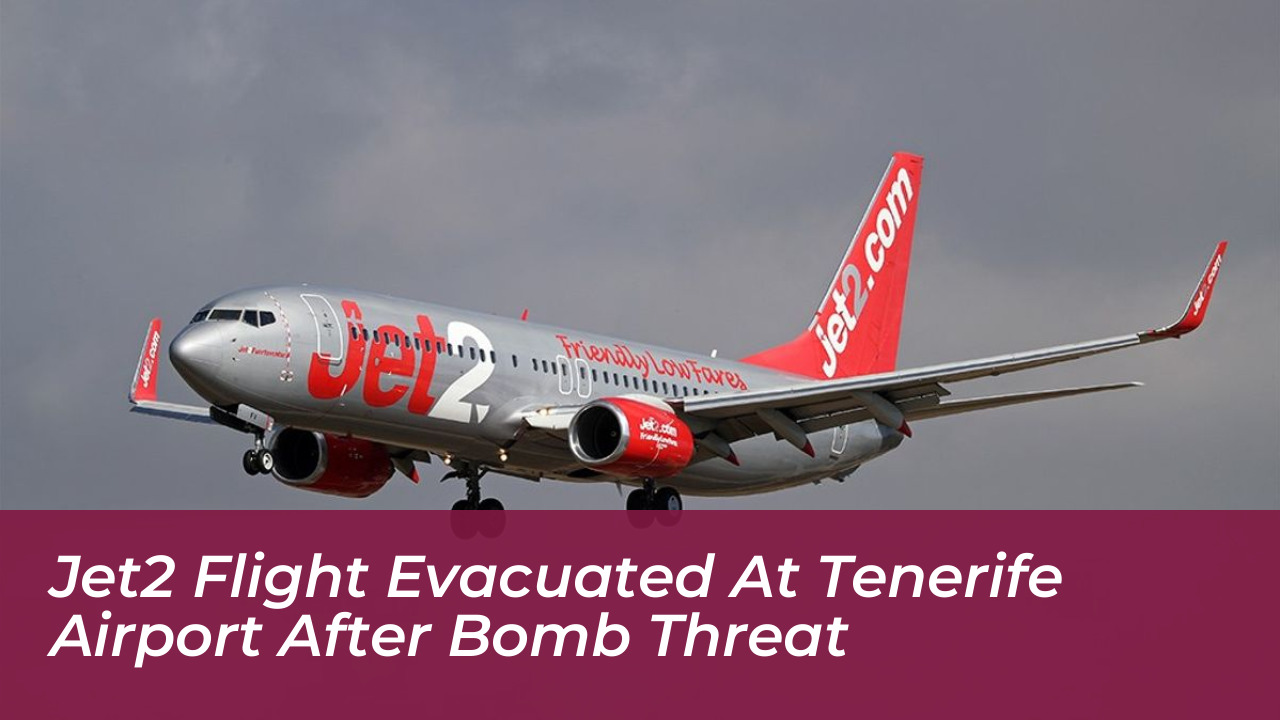
A London-bound Jet2 flight faced an emergency evacuation at Tenerife South Airport after a passenger allegedly claimed an explosive device was on board. Flight LS1536, scheduled to fly from the Canary Islands to London Stansted Airport, was preparing for departure when the security scare disrupted operations. Spain’s Guardia Civil officers immediately isolated the Boeing 737 aircraft to execute stringent safety protocols. Aviation authorities treat any reference to explosive devices with absolute severity, prompting the complete disembarkation of travelers before takeoff. The incident highlights the strict operational measures enforced across European transport hubs when potential security threats emerge inside a cabin.
- Overview of the Tenerife Airport Jet2 Bomb Threat Incident
- Timeline of Flight LS1536 on September 25, 2026
- Guardia Civil Response and Aviation Security Protocols
- Passenger Experience and Airline Response
- Broader Context of Airport Security Scares in Spain
- Content Gap Analysis and Legal Aftermath
- Unique Angles for Aviation Safety Compliance
- Frequently Asked Questions
- What flight was involved in the Tenerife airport security incident?
- When did the bomb threat take place?
- Were any explosives found on the plane?
- How long was the flight delayed?
- What happens to passengers who make false bomb threats on flights?
Zero-tolerance aviation safety protocols apply automatically to any reference of explosive devices, leaving no room for crew discretion or verbal dismissal. This swift intervention directly impacts European transport hub operations, leading to immediate disembarkation procedures and rigorous perimeter security locks.
Overview of the Tenerife Airport Jet2 Bomb Threat Incident
Aviation security works best when authorities assume every threat is genuine until proven otherwise. When a passenger introduces chaos into a confined cabin environment, ground teams mobilize instantly. Tenerife South Airport managed the sudden crisis by halting all surrounding taxiways and prioritizing the safety of every soul on board.
Passengers watched as emergency vehicles swarmed the perimeter. The psychological shift from a relaxed holiday mindset to an active security lockdown happens in mere seconds. Security agencies across the European Union maintain standardized operational manuals precisely for these volatile scenarios.
Timeline of Flight LS1536 on September 25, 2026
The sequence of events unfolded rapidly during late morning boarding procedures at Tenerife South Airport. Understanding the exact schedule reveals how quickly airport security teams neutralized the disruption:
- 11:20 AM Local Time: The original scheduled departure time for Jet2 Flight LS1536 to London Stansted.
- Boarding Phase: Passengers boarded the Boeing 737 aircraft before the verbal bomb threat occurred inside the cabin.
- Emergency Evacuation: Travelers were ordered off the plane and escorted to a secure zone while law enforcement arrived.
- Security Sweep: Guardia Civil officers inspected the aircraft interior, cargo hold, and all passenger luggage.
- All-Clear Given: Authorities found no explosives, confirming the threat was unfounded.
- 2:00 PM Local Time: The cleared aircraft departed from Tenerife South Airport following a delay of roughly two hours.
- 5:49 PM Local Time: Flight LS1536 landed safely at London Stansted Airport without further incident.
Every minute of this timeline represents a massive coordination effort between airport management, airline staff, and national police units. A delay of two hours is remarkably short for an aircraft sweep, demonstrating the efficiency of modern rapid response protocols at Spanish holiday hubs.
Once the all-clear was verified, getting hundreds of passengers back through security screening and onto the aircraft required immense logistical precision. Flight crews working against strict working hour limits ensured passengers reached London before nightfall.
Guardia Civil Response and Aviation Security Protocols
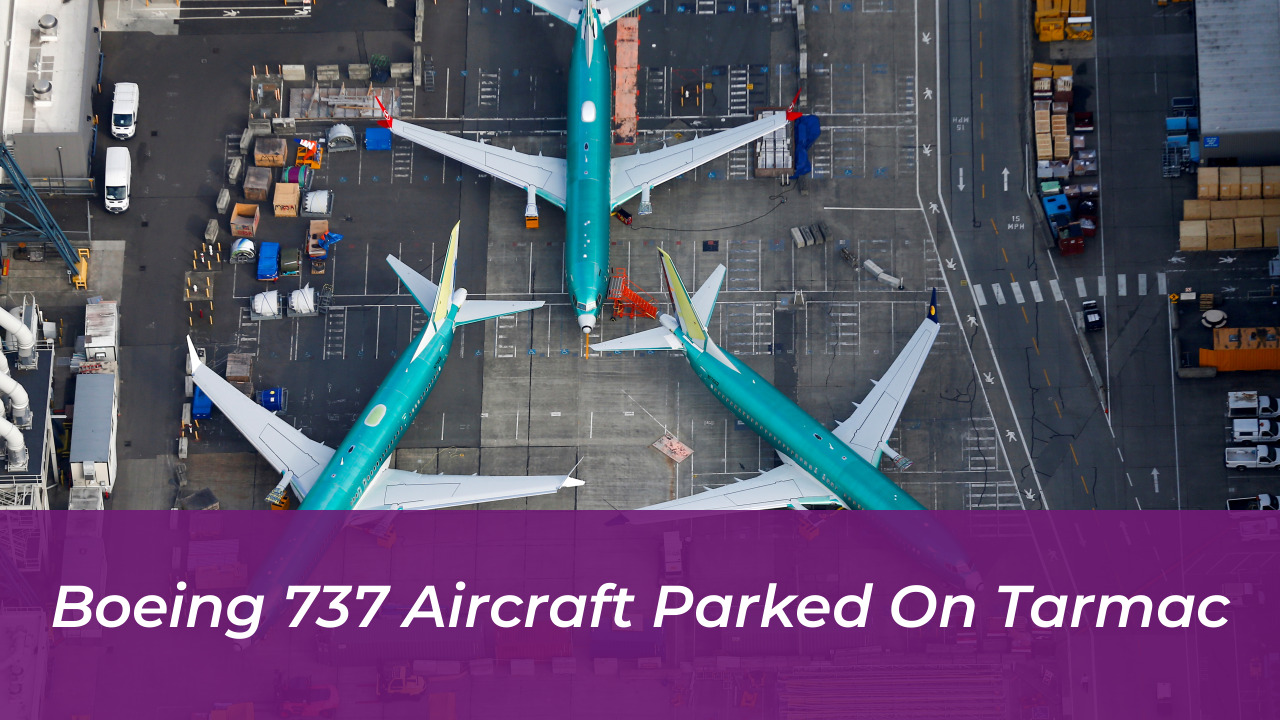
Spain’s Guardia Civil deployed specialized units to inspect the Boeing 737 thoroughly. Standard aviation safety mandates that law enforcement officers treat every verbal threat as a credible danger until physical searches prove otherwise. Officers systematically scanned the overhead lockers, seating rows, and cargo hold with specialized canine units and electronic detectors.
Simultaneously, ground crews laid out all passenger luggage on the tarmac for individual identification and screening. This comprehensive sweep ensures zero margin for error before clearing an aircraft for continued flight operations. Airport infrastructure management also implemented temporary holding measures for other taxiing aircraft to maintain safety perimeters around the isolated jet.
Law enforcement agencies train extensively for these exact cabin scenarios. Communication channels between the flight deck, air traffic control, and ground tactical units remain active throughout the entire evacuation process to prevent confusion.
Passenger Experience and Airline Response
Travelers aboard Flight LS1536 experienced an abrupt shift from routine holiday departure procedures to a high-stress security operation. Witnesses reported an anxious wait on the tarmac and inside terminal holding areas while law enforcement completed their inspections. Jet2 management issued formal statements apologizing for the delay and confirming that ground teams worked in direct coordination with local authorities.
Once the security clearance was finalized, passengers re-boarded the aircraft to complete their journey to London Stansted. Aviation analysts note that airlines maintain zero tolerance for disruptive behavior, and individuals who make false claims regarding explosives face severe legal repercussions under Spanish law.
Waiting hours on a hot tarmac tests the patience of any traveler. Airline personnel distributed water and updates while managing distressed passengers who panicked after hearing the initial threat.
Broader Context of Airport Security Scares in Spain
This incident at Tenerife South Airport follows a pattern of recent security alerts affecting Spanish aviation infrastructure throughout 2026. Major transport hubs in Barcelona and Malaga experienced comparable disruptions earlier in the year due to false alarms and passenger misconduct.
Security experts emphasize that modern biometric screening, rigid baggage reconciliation, and rapid response units minimize actual danger while maximizing public safety. However, these false alarms inflict substantial financial costs on airlines and cause widespread scheduling knock-on effects across European airspace.
When one flight experiences a two-hour ground stop, subsequent rotations operated by that same aircraft face cascading delays. European air traffic control networks must absorb these schedule gaps dynamically.
Content Gap Analysis and Legal Aftermath
Current media reporting leaves specific questions unanswered regarding the legal aftermath for the individual responsible for the disruption. Major news outlets failed to disclose whether the passenger was immediately arrested, detained for questioning, or permitted to board a later flight. Official reports omit the exact nationality of the individual who made the remark.
Local Spanish courts typically prosecute individuals under public disorder and aviation safety statutes, which carry substantial financial penalties and potential prison sentences for communicating false bomb threats. Legal experts point out that deterrence relies heavily on publicizing the harsh punishments handed down to offenders.
Airlines also reserve the right to issue lifetime travel bans against any passenger whose reckless words trigger an emergency evacuation.
Unique Angles for Aviation Safety Compliance
Beyond standard news coverage, this incident illuminates the psychological impact of verbal threats on commercial flights and the economic toll of ground delays. Airlines absorb significant operational costs when wide-body and narrow-body aircraft remain grounded outside their slot times.
Additionally, passenger anxiety levels continue to rise when misinformation spreads rapidly via mobile devices while passengers wait on airport tarmacs. Implementing stricter on-board behavioral tracking and rapid legal prosecutions serves as a vital deterrent against reckless statements inside crowded aircraft cabins.
Aviation safety is a collective responsibility. Educating the traveling public about the severe legal consequences of making unverified or joking statements about explosives remains a priority for international transport authorities.
Frequently Asked Questions
What flight was involved in the Tenerife airport security incident?
The incident involved Jet2 Flight LS1536, operated by a Boeing 737 aircraft traveling from Tenerife South Airport to London Stansted Airport.
When did the bomb threat take place?
The security scare occurred on September 25, 2026, just before the aircraft was scheduled to depart at 11:20 AM local time.
Were any explosives found on the plane?
No explosives or suspicious devices were discovered. Guardia Civil officers gave the aircraft a complete all-clear after inspecting the cabin and all passenger luggage.
How long was the flight delayed?
The flight experienced a delay of approximately two and a half hours, taking off from Tenerife around 2:00 PM and landing safely in London at 5:49 PM.
What happens to passengers who make false bomb threats on flights?
Individuals who make false security claims face immediate detention by law enforcement, potential criminal prosecution under aviation safety laws, heavy fines, and lifetime bans from the airline.